
How to Align Structural BIM with Architectural and MEP Teams Without Miscommunication
How to Align Structural BIM with Architectural and MEP Teams Without Miscommunication

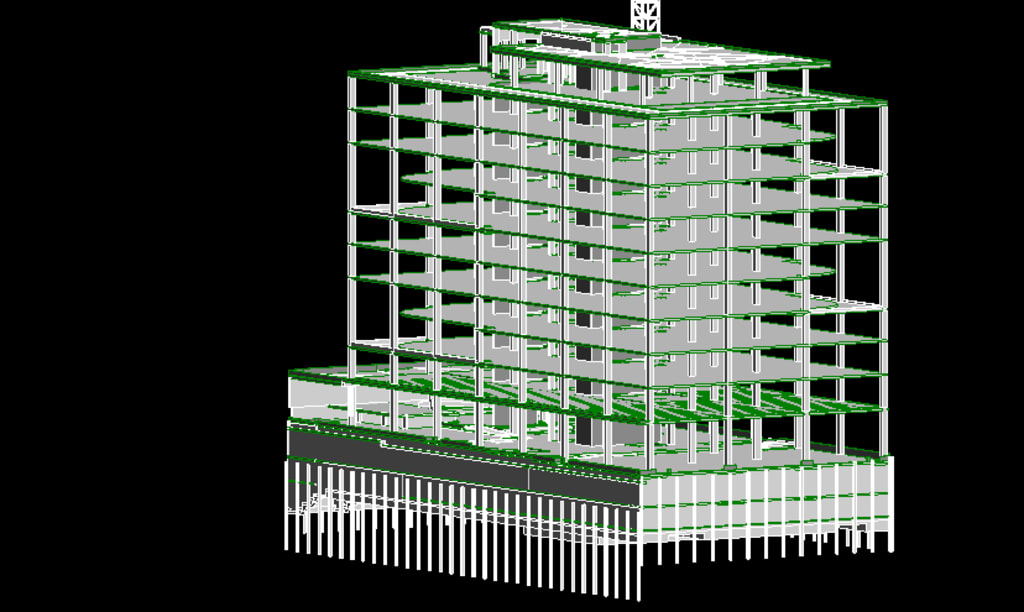
Large projects rarely fail because teams lack technical knowledge. Most problems begin when information moves between disciplines without clarity. Structural modelers adjust beam sizes, architects modify floor layouts, and MEP teams shift ducts and risers.
If these changes travel through emails, partial drawings, or outdated models, coordination breaks down quickly. Engineers and BIM professionals have seen this situation many times: a model looks coordinated on screen, but during review or site preparation, conflicts appear that could have been avoided earlier.
For professionals working with Structural BIM Services, alignment with architectural and MEP teams is not only about modeling accuracy. It is about how information flows between disciplines, how models are structured, and how coordination decisions are communicated. When teams follow clear workflows and maintain disciplined model collaboration, structural models integrate smoothly with architectural and MEP systems without confusion.
This article explains practical ways to align structural BIM workflows with architectural and MEP teams while avoiding the small communication gaps that often turn into large project issues.
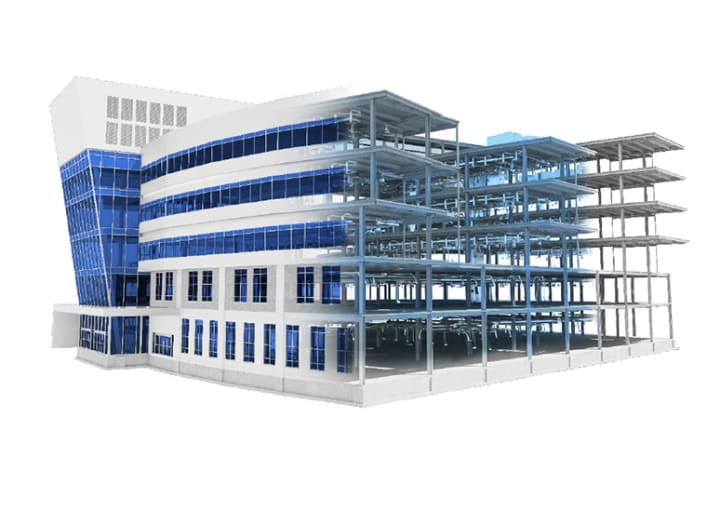
Understanding Where Miscommunication Begins in BIM Coordination
Miscommunication rarely starts with a major mistake. It usually begins with small coordination gaps that gradually multiply.
Architectural teams frequently update layouts as projects evolve. Room dimensions shift, slab openings move, or facade systems change. At the same time, MEP designers modify routing for ducts, cable trays, or plumbing systems. Structural teams working with Structural BIM Modeling Services must respond to these updates while maintaining structural integrity.
When updates happen without a shared coordination routine, several problems appear:
- Structural models may reference outdated architectural grids.
- MEP teams may route systems through structural elements that have already changed.
- Revision notes may not reach every discipline at the same time.
Professionals from Structural Engineering Firms often find themselves revising models repeatedly because the architectural and MEP context changed without proper communication. Instead of a smooth coordination process, teams spend time correcting avoidable conflicts.
The goal is not only detecting clashes but preventing them through organized communication.
Building a Shared Model Foundation Across Disciplines
Alignment begins with a structured project setup. Structural teams cannot coordinate effectively if model origins, levels, and grids differ between disciplines.
Architectural models typically establish the primary reference system for a project. Structural teams working within Structural BIM Services must adopt these references early so that columns, beams, and slabs align with architectural grids and floor elevations.
A consistent model foundation includes:
- Shared project coordinates
- Agreed floor levels
- Consistent grid naming conventions
- Matching reference points between models
When these elements match across architectural, structural, and MEP models, coordination becomes far simpler. Structural elements appear exactly where other teams expect them, and updates can be tracked without confusion.
Without this foundation, even experienced Residential structural engineers may struggle to interpret model changes from architects or MEP teams.
Model Ownership and Discipline Responsibilities
Another common coordination issue arises when responsibilities overlap. Sometimes structural teams adjust architectural openings. In other cases, MEP teams shift structural penetrations without informing structural engineers.
Projects run more smoothly when each discipline maintains clear ownership of its model elements.
Architects control walls, floors, and layout components. Structural teams manage beams, columns, foundations, and reinforcement logic. MEP teams control systems such as HVAC ducts, piping networks, and cable trays.
Professionals delivering Structural BIM Modeling Services should communicate structural constraints early so that architects and MEP engineers understand where modifications are possible and where they are not.
This clarity prevents a frequent coordination issue where multiple teams edit the same model areas without awareness of each other’s changes.
Establishing Regular Coordination Cycles
Alignment between disciplines improves significantly when teams follow predictable coordination cycles rather than exchanging models randomly.
Weekly coordination sessions are common in many projects involving Structural BIM Services. During these sessions, architects, structural engineers, and MEP modelers review updated models together. The goal is not simply identifying clashes but discussing why they occur and deciding how to resolve them.
Coordination cycles usually involve three stages. First, each discipline updates its model according to the latest design decisions. Second, models are combined in a coordination environment where conflicts become visible. Third, teams review these conflicts and assign actions.
Many structural engineering consultant firms rely on structured coordination meetings to maintain alignment with architectural and MEP teams. Instead of reacting to problems later, teams address them while models are still evolving.
Using Clear Model Naming and Version Control
Miscommunication frequently happens because teams open the wrong model version. A structural model from two weeks ago may still circulate within project folders, while the architectural team already updated several floors.
For teams providing Structural BIM Modeling Services, version control becomes essential. Every model update should include clear naming conventions, revision dates, and change notes.
For example, a structural model might include information such as:
Project name, discipline, revision number, and update date.
This approach helps architects and MEP teams immediately identify which structural model represents the latest coordination state.
Large Structural Engineering Firms often maintain shared model platforms or common data environments so every discipline works from the same information source.
Communicating Design Intent, Not Only Geometry
One of the biggest reasons miscommunication occurs in BIM coordination is that models show geometry but not always the reasoning behind it.
Structural engineers may increase beam depth due to load calculations. However, architects reviewing the model might assume the change was accidental and attempt to modify the ceiling space.
Similarly, MEP designers might route ducts through a structural zone because they do not understand the structural design limitations.
Teams working with Structural BIM Services benefit from documenting the intent behind structural decisions. Short model notes, coordination comments, or shared documentation can clarify why certain elements must remain unchanged.
When architectural and MEP teams understand the structural logic, coordination discussions become more productive.
Coordinating Openings, Penetrations, and Service Zones
Structural coordination with MEP teams often revolves around service penetrations and routing zones.
Ducts, pipes, and cable trays must pass through structural elements or around them. Without early planning, these systems clash with beams, columns, or shear walls.
Professionals delivering Structural BIM Modeling Services usually define structural service zones early in the coordination process. These zones indicate areas where mechanical and electrical systems can safely pass without compromising structural stability.
For projects involving Residential structural engineers, this coordination becomes especially important in high-rise buildings where vertical shafts and service corridors intersect structural systems on every floor.
Proper communication about these zones helps MEP teams plan routing paths before conflicts appear.
Encouraging Cross-Discipline BIM Literacy
Even experienced engineers sometimes struggle to interpret models from other disciplines. Structural modelers may not fully understand mechanical routing constraints, while MEP engineers may overlook structural load paths.
Projects become easier to coordinate when teams develop a basic understanding of each other’s modeling logic.
Many Structural Engineering Firms encourage internal training where structural modelers review architectural and MEP workflows. This cross-discipline awareness improves communication because team members understand why other disciplines make certain design choices.
Similarly, architectural and MEP teams benefit from learning how structural models represent load paths, column transfers, and slab support systems.
When teams understand each other's perspective, coordination conversations become clearer and faster.
Keeping Coordination Focused on Solutions
Coordination meetings sometimes turn into long discussions about who caused a conflict rather than how to resolve it. This slows progress and discourages collaboration.
Teams involved in Structural BIM Services benefit from keeping discussions solution-focused. When a clash appears between a beam and a duct, the conversation should move quickly toward possible adjustments.
Perhaps the duct can shift slightly, or the beam depth can change without affecting structural behavior. In some cases, architects may adjust ceiling heights or service spaces.
When coordination stays focused on solutions instead of blame, project teams maintain momentum and communication remains constructive.
Long-Term Benefits of Consistent BIM Alignment
Projects where structural, architectural, and MEP teams remain aligned throughout modeling stages experience fewer coordination surprises later.
Contractors receive clearer drawings, site teams encounter fewer unexpected conflicts, and revisions become easier to manage. Structural teams providing Structural BIM Modeling Services also spend less time correcting coordination issues because models evolve in a controlled and transparent way.
For Structural Engineering Firms, this approach improves collaboration with architects and MEP consultants across multiple projects. Over time, teams develop coordination habits that carry forward into future work.
The result is not just smoother modeling workflows but a more predictable project environment where communication supports design rather than slowing it down.
Conclusion
Successful BIM coordination between structural, architectural, and MEP disciplines depends less on software and more on communication structure. Shared model foundations, disciplined version control, clear design intent, and regular coordination discussions allow teams to stay aligned even as projects evolve.
Professionals working with Structural BIM Services understand that coordination is a continuous process rather than a single review stage. When structural engineers, architects, and MEP teams follow consistent collaboration practices, models remain organized and project decisions move forward with clarity.
The real advantage of strong BIM alignment is not only fewer clashes but a smoother design workflow where every discipline understands how its work fits into the larger project.
Frequently Asked Questions
How do Structural BIM teams coordinate with architectural and MEP disciplines?
Ans: Structural teams coordinate by sharing updated models regularly, participating in coordination meetings, and reviewing combined discipline models to identify and resolve conflicts early.
Why do clashes still occur even when BIM models are used?
Ans: Clashes often occur because model updates are not shared consistently or teams work from different model versions. Clear communication and coordination cycles reduce these issues.
What role do Structural BIM Modeling Services play in multidisciplinary projects?
Ans: Structural BIM Modeling Services organize structural elements within the digital model so they align with architectural layouts and MEP systems, allowing teams to review and coordinate design decisions before construction.
Why is communication important for Structural Engineering Firms using BIM?
Ans: Even advanced BIM workflows depend on clear communication between disciplines. When structural engineers, architects, and MEP teams exchange information regularly, coordination becomes faster and project changes are easier to manage.
About the Creator
lisa Brown
Building Information Modelling delivers high quality out performing designs in Electrical BIM Services. We collectively work as a team and we believe in delivering end to end solutions in electrical designs and drawings.
Keep reading
More stories from lisa Brown and writers in 01 and other communities.
How to Make-Sure HVAC Code Compliance During the Design Phase with BIM
Let's be honest: nobody wants to spend their weekend staring at a red-stamped "Failed Inspection" notice or redesigning a ductwork layout because it’s clashing with a structural beam that wasn't on the original drawing. It’s frustrating, expensive, and a total momentum killer.
By lisa Brown2 months ago in 01
AI Visibility for Creators
Written with the help of AI In 2026, traditional search engines are no longer the only game in town. When people look for recommendations, tutorials, reviews, or inspiration, they increasingly turn to AI-powered tools like ChatGPT, Google AI Overviews, Perplexity, Claude, and Gemini. These platforms don't just list links—they generate concise answers, summaries, and recommendations by pulling from across the web.
By Sandy Rowley5 days ago in 01




Comments
There are no comments for this story
Be the first to respond and start the conversation.