
Understanding PCB Technology and Its Role in Modern Electronics
Exploring the technology and importance of printed circuit boards in modern electronics.

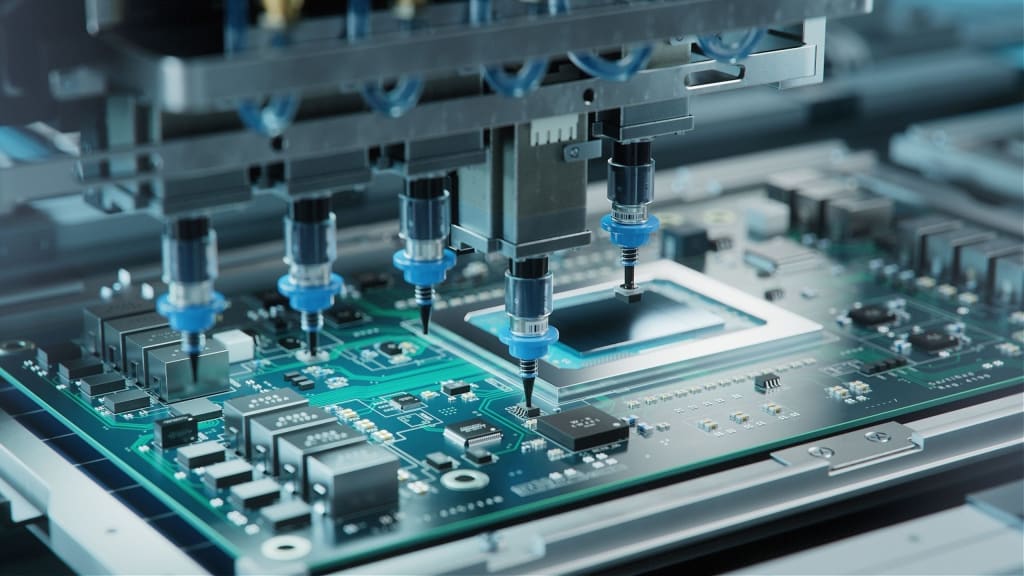
Printed Circuit Boards, commonly known as PCBs, are fundamental components in modern electronic devices. From smartphones and computers to medical equipment and industrial machinery, PCBs form the backbone of nearly all electronic systems. These boards provide the physical structure and electrical connections required for electronic components to function together efficiently.
As technology has advanced, PCB design and manufacturing have become increasingly important in supporting complex and high-performance electronics.
What Is a PCB?
A Printed Circuit Board (PCB) is a flat board that mechanically supports and electrically connects electronic components. These connections are created using conductive pathways etched or printed onto layers of copper. The board itself is usually made from insulating materials such as fiberglass or composite epoxy.
Components such as resistors, capacitors, integrated circuits, and connectors are mounted onto the board and connected through these conductive pathways. This organized layout allows electrical signals to travel efficiently between components.
PCBs replaced earlier wiring methods that required complex bundles of wires to connect electronic parts. By integrating connections directly into the board, PCBs make electronic devices more compact, reliable, and easier to manufacture.
Basic Structure of a PCB Board
A typical PCB board is composed of several key layers that work together to support electronic circuits. These layers include:
- Substrate layer – The base material that provides structural support.
- Copper layer – Conductive pathways that carry electrical signals.
- Solder mask layer – A protective coating that prevents short circuits and corrosion.
- Silkscreen layer – Printed markings that identify components and guide assembly.
In more complex electronic systems, boards may contain multiple layers of copper and insulating material. These multilayer PCBs allow designers to create more compact circuits while handling higher signal densities.
The Evolution of PCB Technology
The concept of the printed circuit board dates back to the early twentieth century. Early electronic systems relied heavily on point-to-point wiring, which involved manually connecting components with wires. This approach was time-consuming and prone to errors.
As electronics became more advanced, engineers developed the PCB as a more efficient solution. The introduction of copper traces on insulating boards allowed circuits to be printed directly onto the surface. This innovation simplified production and increased reliability.
Over time, PCB technology continued to evolve. Modern PCBs now support complex microelectronics, high-speed communication systems, and advanced computing devices.
Common Types of PCB Boards
There are several different types of PCB boards designed to meet the needs of various electronic applications. Each type offers unique advantages depending on the complexity of the circuit and the environment in which the device operates.
Single-Sided PCBs
Single-sided boards contain a single layer of copper circuitry. These boards are commonly used in simple electronic devices where the circuit design is relatively straightforward.
Double-Sided PCBs
Double-sided boards contain conductive layers on both sides of the substrate. This design allows more complex circuits and component layouts.
Multilayer PCBs
Multilayer PCBs contain multiple conductive layers separated by insulating material. These boards are commonly used in advanced electronics such as computers, networking equipment, and communication devices.
Flexible PCBs
Flexible PCBs use materials that allow the board to bend without damaging the circuitry. These boards are often used in compact devices such as wearable technology and mobile electronics.
PCB Boards in Everyday Technology
PCBs are present in nearly every electronic product used today. Many devices rely on multiple boards working together to perform different functions.
Examples of devices that depend on PCB technology include:
- Smartphones and tablets
- Computers and servers
- Automotive electronics
- Medical equipment
- Industrial automation systems
- Consumer appliances
Without PCBs, the compact and high-performance electronics used in modern life would be difficult to achieve.
The Importance of PCB Design
Design plays a critical role in the effectiveness of a PCB board. Engineers must carefully arrange components and traces to ensure proper electrical performance and reliability.
Several factors influence PCB design, including signal integrity, heat dissipation, component placement, and manufacturing constraints. Even small changes in layout can affect how efficiently a circuit functions.
Advanced design software now allows engineers to simulate circuit performance before manufacturing begins. This helps reduce errors and improve overall product reliability.
The Future of PCB Technology
As electronics continue to evolve, PCB technology is also advancing. New materials, smaller components, and higher circuit densities are enabling the development of more powerful and compact devices.
Emerging technologies such as artificial intelligence, autonomous vehicles, and wearable devices rely heavily on advanced circuit board designs. These applications require PCBs capable of handling high speeds, complex signals, and demanding environments.
Research is also exploring flexible electronics, embedded components, and improved manufacturing techniques that could further transform PCB development.
Conclusion
Printed Circuit Boards have become essential to modern electronic technology. By providing a structured platform for connecting electronic components, PCBs enable devices to operate efficiently and reliably.
From simple consumer products to complex industrial systems, PCB boards continue to support the rapid advancement of electronics. As technology grows more sophisticated, the role of PCB design and manufacturing will remain critical in shaping the future of electronic innovation.
About the Creator
Keep reading
More stories from charliesamuel and writers in 01 and other communities.
The History and Cultural Role of Custom Pennants in Sports
Pennants have been part of sports traditions for more than a century. These triangular banners are widely associated with teams, championships, and fan culture. In many sports, including soccer and baseball, pennants symbolize identity and pride for both players and supporters. Items such as soccer pennants, soccer club flags, custom pennant flags, and custom felt pennants are commonly used to represent teams, commemorate matches, and preserve sporting traditions.
By charliesamuela day ago in 01
How to Build a Fitness App That Keeps Users Coming Back
The fitness app market in 2026 is no longer a battle of content. It is no longer about who has the most workout videos. It is now a battle of who can sustain user motivation. Data from the 2025 Global Digital Health Report is clear. Initial downloads for health apps remain high. However, nearly 60% of users drop off within thirty days. This happens if the experience feels generic.
By Del Rosario7 days ago in 01
The AI/ML Development Roadmap: How Do You Scale from PoC to Production?
Companies build Artificial Intelligence models to solve specific business problems. However, most of these projects fail before human workers ever use them. Engineers create a successful Proof of Concept (PoC) in a laboratory setting. The model works perfectly on historical data. The project then dies when the company tries to connect the model to live software.
By ViitorCloud Technologiesa day ago in 01
A System That Isn’t Working Challenge Winners
Systems promise order. They organize behavior, distribute opportunity, and suggest that if everyone follows the rules, things will work. The entries in A System That Isn’t Working look closely at what happens when that promise begins to slip.
By Vocal Curation Team2 days ago in Resources




Comments
There are no comments for this story
Be the first to respond and start the conversation.