

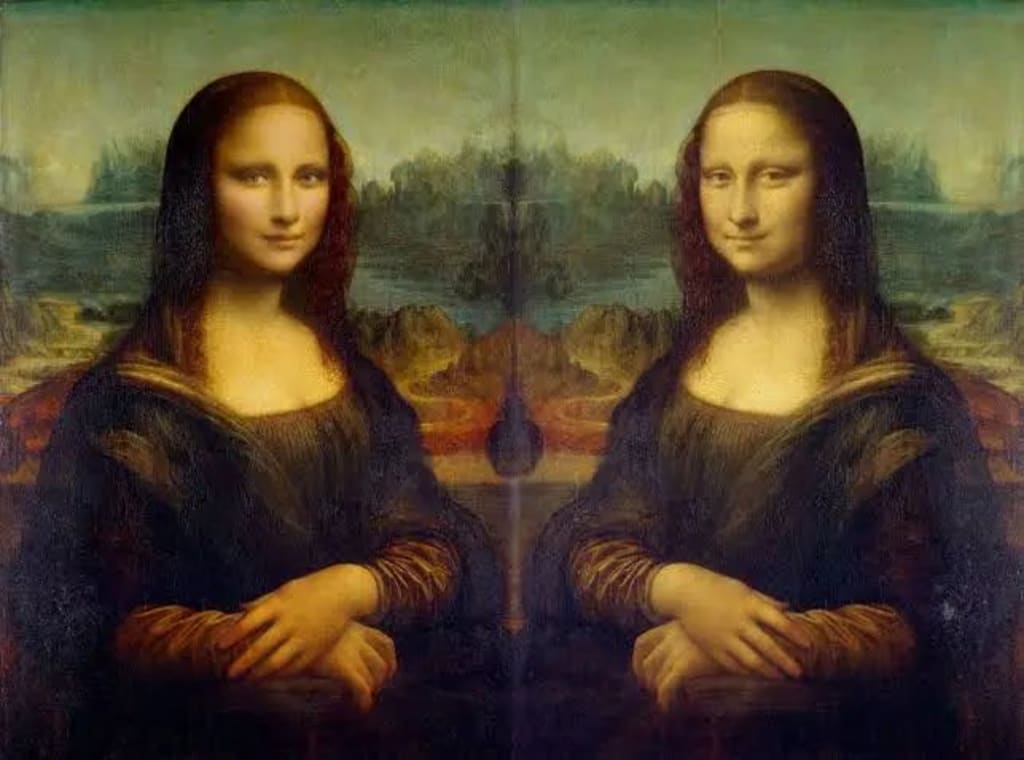
Few works of art in human history have captured the imagination of the world quite like the Mona Lisa. Painted by the legendary Italian polymath Leonardo da Vinci during the height of the Renaissance, this iconic portrait continues to fascinate scholars, artists, and admirers centuries after its creation. Its enduring appeal lies not only in its technical brilliance but also in the mystery and subtlety that surround it, making it one of the most studied and celebrated paintings ever produced.
The Mona Lisa is believed to have been created between 1503 and 1506, though some experts suggest that Leonardo continued refining it for several years afterward. The subject of the painting is widely thought to be Lisa Gherardini, a woman from Florence, which is why the artwork is also known as “La Gioconda.” Despite this widely accepted identification, debates and theories about her identity persist, adding another layer of intrigue to the masterpiece. The ambiguity surrounding the subject has only enhanced the painting’s mystique, encouraging endless interpretations and discussions.
One of the most captivating aspects of the Mona Lisa is her enigmatic smile. It is neither fully joyful nor entirely melancholic, and this subtle ambiguity has intrigued viewers for generations. Leonardo achieved this effect through his mastery of a technique known as sfumato, which involves the delicate blending of colors and tones to create soft transitions between light and shadow. This technique gives the painting a lifelike quality, making the subject appear almost as if she is breathing and capable of changing expression. The smile seems to shift depending on the angle and focus of the viewer, which has led to countless analyses from both artistic and scientific perspectives.
The composition of the painting also plays a crucial role in its impact. The Mona Lisa is depicted seated against a distant, almost dreamlike landscape, with winding paths and hazy mountains. This background is not merely decorative; it contributes to the overall harmony and balance of the artwork. Leonardo’s understanding of perspective is evident in the way the landscape recedes into the distance, creating a sense of depth that was revolutionary for its time. The placement of the subject, combined with the use of light and shadow, draws the viewer’s attention directly to her face, making it the focal point of the entire composition.
Another remarkable feature of the Mona Lisa is Leoardo’s attention to detail. From the delicate folds of her clothing to the intricate rendering of her hair, every element is executed with precision and care. Yet, despite this meticulous detail, the painting does not feel rigid or overly structured. Instead, it exudes a natural elegance that reflects Leonardo’s deep understanding of both art and human anatomy. His ability to combine scientific observation with artistic expression is one of the reasons why the Mona Lisa is considered a masterpiece.
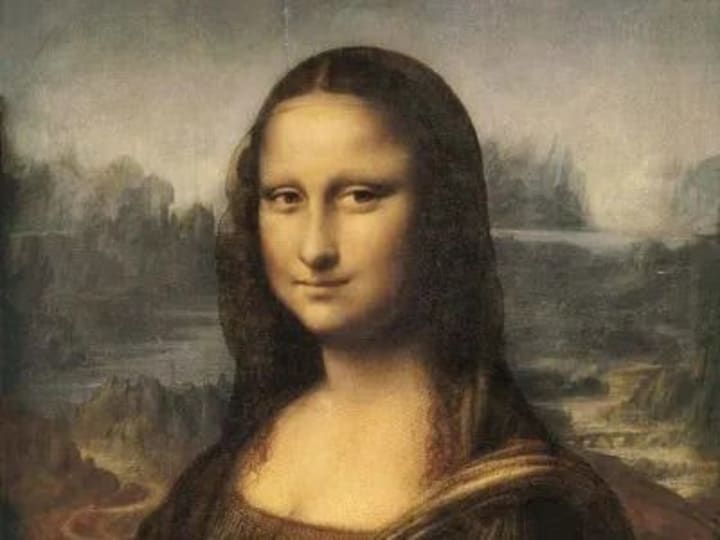
The painting’s fame is also closely tied to its history. Today, the Mona Lisa is housed in the Louvre Museum, where it attracts millions of visitors each year. Its journey to this prestigious location is a story in itself, involving royal collections, historical events, and even theft. In 1911, the painting was famously stolen from the Louvre by an Italian worker, an incident that brought unprecedented global attention to the artwork. When it was recovered two years later, its reputation had grown even further, cementing its status as a cultural icon.
Over the centuries, the Mona Lisa has influenced countless artists and has been referenced in various forms of media, from paintings and literature to films and advertisements. Its image has been reproduced, parodied, and reinterpreted in ways that reflect changing cultural contexts. Despite this widespread reproduction, the original painting retains a unique aura that cannot be replicated. Standing before it in person offers an experience that goes beyond visual appreciation, evoking a sense of connection to history and human creativity.
The enduring fascination with the Mona Lisa can also be attributed to the questions it raises about art and perception. Why does her expression seem to change? What emotions was Leonardo trying to convey? How did he achieve such a realistic yet mysterious effect? These questions continue to inspire research and debate, demonstrating the painting’s ability to engage both the mind and the imagination. It is not merely a portrait; it is a work that invites viewers to explore deeper meanings and interpretations.
In addition to its artistic significance, the Mona Lisa holds an important place in the broader context of the Renaissance. This period was marked by a renewed interest in classical knowledge, humanism, and the exploration of new artistic techniques. Leonardo da Vinci was at the forefront of this movement, and the Mona Lisa exemplifies the ideals of the time. It reflects a shift toward realism and individual expression, moving away from the more rigid and symbolic styles of earlier periods. The painting’s emphasis on the individual, combined with its technical innovations, makes it a defining work of Renaissance art.
The global recognition of the Mona Lisa is also a testament to the power of art to transcend cultural and temporal boundaries. People from all walks of life, regardless of their background or level of artistic knowledge, can appreciate its beauty and mystery. This universal appeal is one of the reasons why it continues to be celebrated as a masterpiece. It serves as a reminder of the enduring impact of creativity and the ability of art to connect people across generations.
Ultimately, the Mona Lisa is more than just a painting; it is a symbol of artistic excellence and human curiosity. Its combination of technical mastery, emotional depth, and historical significance has ensured its place as one of the greatest works of art ever created. Even in an age of digital media and rapid technological advancement, it continues to captivate audiences, proving that true masterpieces are timeless. The legacy of Leonardo da Vinci lives on through this extraordinary work, inspiring future generations to explore the boundaries of art and imagination.
About the Creator
shaoor afridi
“I am a passionate writer dedicated to sharing informative, engaging, and well-researched articles. My goal is to provide valuable content that educates, inspires, and adds real value to readers.”
Keep reading
More stories from shaoor afridi and writers in Art and other communities.
Has the Conflict Between Pakistan and Afghanistan Come to an End?
Introduction For observers in South Asia and beyond, tensions between Pakistan and Afghanistan have been a significant and worrying development in 2026. Long‑standing mistrust, cross‑border militant activity, and a recent cycle of violence prompted fears of a full‑blown war. But after intense clashes and international pressure, the situation has shifted to a temporary pause in fighting — though peace remains fragile. �
By shaoor afridia day ago in Geeks
Engineering Excellence Behind High-Performance Aviation Components
Introduction The aerospace industry depends on thousands of specialized components working together to ensure safe and reliable flight operations. From structural fasteners to complex mechanical assemblies, each component must meet extremely strict engineering standards.
By Beckett Dowhan8 days ago in Art
The Solitude of The Chupacabra
Many say that the Chupacabra is a rather recent and modern tale, a mangy coyote or rabied dog. Some point out that it’s just twisted evolution. But very few know the true backstory of the shapeshifter that led to the bloodsucking legend. And perhaps once you will come to know and understand more, you might “forget” a few cattle out to wander.
By Oneg In The Arctic7 days ago in Fiction



Comments
There are no comments for this story
Be the first to respond and start the conversation.