
The Precision Behind Action: How Martial Arts Masters Shape What We See on Screen
The hidden discipline behind authentic movement and believable action on screen
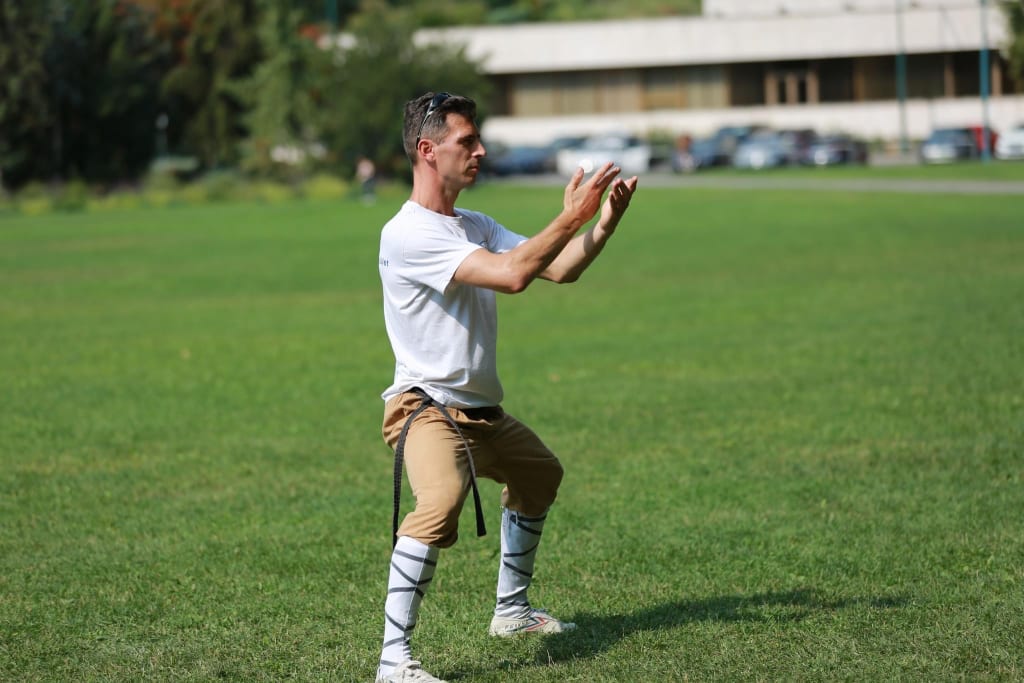
In the world of film, audiences often remember the spectacle — the explosion, the fight, the breathtaking moment when movement feels almost impossibly real. But behind these scenes stands a rare type of professional whose work combines technical mastery, artistic sensitivity, and deep physical intelligence. Among them are martial arts specialists who bring authenticity and precision to cinematic action.
One such professional is Viktor Sokorai, whose background as a four-time world champion in kung fu has shaped his approach to action design, movement coaching, and physical storytelling in international film productions.
While many action professionals develop their skills within the film industry itself, Sokorai’s foundation comes from decades of traditional martial arts training. His experience goes far beyond choreography. His expertise lies in understanding spatial relationships, timing, balance, and controlled power — principles that allow complex physical sequences to appear effortless and believable on screen.
Martial arts training develops qualities that are especially valuable in film production environments: adaptability, precision under pressure, and the ability to translate abstract movement concepts into repeatable actions that actors can safely perform. This is particularly important when productions require performers to execute technically demanding scenes while maintaining emotional authenticity.
Throughout his career, Sokorai has contributed to major international productions where physical storytelling plays an important role. His work has involved preparing actors for demanding scenes, helping them internalize movement patterns that support character development while maintaining safety and visual clarity.
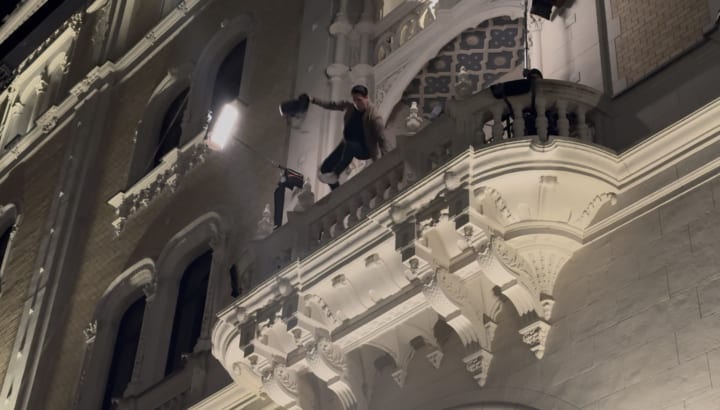
One of the most fascinating aspects of martial arts–based movement design is its emphasis on economy of motion. Every gesture has purpose, and every shift in weight contributes to the overall effectiveness of the action. These principles allow film scenes to feel grounded and realistic, even when the situations themselves are highly dramatic.
Productions often seek specialists with this level of background when they require sophisticated action sequences that must be performed convincingly under demanding filming conditions. The ability to adjust techniques quickly based on camera position, costume restrictions, or narrative needs requires not only technical knowledge but creative flexibility.
Beyond the technical aspects, movement coaching rooted in martial arts also helps actors develop confidence. When performers understand how their body moves in space and how to control energy efficiently, they can focus more fully on storytelling. This collaboration between movement specialist and actor can significantly enhance the believability of a scene.
The influence of traditional martial arts can be seen across many genres, from historical dramas to contemporary action films. Its principles support both subtle physical expression and dynamic sequences, making it a valuable foundation for professionals working in physically demanding cinematic environments.
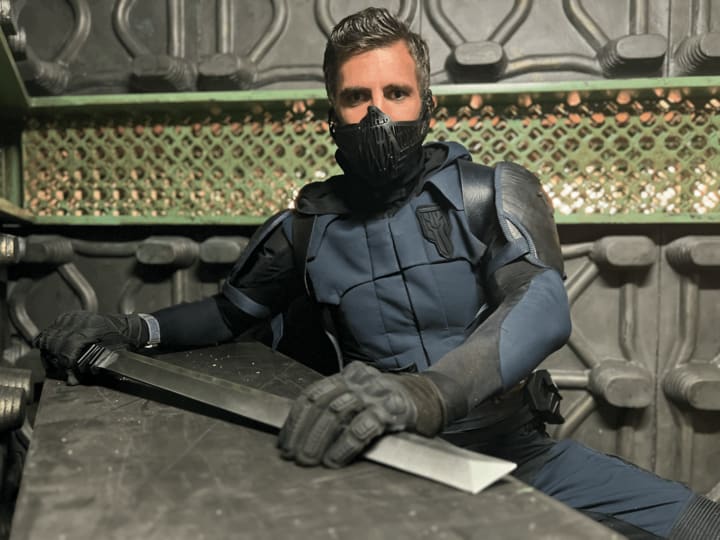
As the film industry continues to evolve, the demand for highly specialized physical expertise grows. Productions increasingly recognize that authentic movement contributes not only to visual impact but to storytelling depth. Specialists with extensive martial arts backgrounds provide a bridge between athletic performance and cinematic artistry.
The work of professionals like Sokorai demonstrates how traditional disciplines can inform modern visual storytelling. Their contribution often remains invisible to audiences, yet it plays a significant role in shaping the realism and emotional resonance of what appears on screen.
In a field where precision, safety, and artistic expression must coexist, the integration of martial arts principles continues to elevate the quality of action storytelling in film.
About the Creator
Keep reading
More stories from Women In Film and writers in Art and other communities.
The Art of Organization: How Assistant Director Fanni Fragner Keeps Productions on Track Without Missing a Beat
In the high-pressure world of film and television production, few roles are as demanding — or as crucial — as that of the Assistant Director. And few ADs handle that pressure with as much calm precision and insight as Fanni Fragner.
By Women In Film12 months ago in Art
Watching The End Of The World From The Diner
Introduction I am not sure how to approach this. Guy Peellaert was an amazing artist who created iconic fantasy images of famous people, usually musicians or politicians, as well as creating commissioned album covers such as "It's Only Rock'n'Roll" by The Rolling Stones and David Bowie's "Diamond Dogs" which you can read more about below.
By Mike Singleton 💜 Mikeydred 2 days ago in Art
AI-Generated Songs as Cinematic Music Videos: The Case of “Bonnie’s Bar”
AI-Generated Songs as Cinematic Music Videos: The Case of “Bonnie’s Bar” In recent years, artificial intelligence has moved beyond simply assisting musicians—it is now actively creating full artistic experiences. One of the most fascinating developments is the rise of AI-generated songs presented as complete music videos, blending sound, visuals, choreography, and storytelling into a unified creative product. A compelling example of this trend can be imagined through a song titled “Bonnie’s Bar.”
By Nivard Anna5 days ago in Art


Comments
There are no comments for this story
Be the first to respond and start the conversation.