
Why Drum and Bass Suddenly Sounds Like a Lost N64 Game
The Return of Low Poly DnB: How Retro Gaming Inspired a New Wave of Jungle and Drum & Bass


In the late 1990s, a strange collision of technology and culture produced a sound that felt like the future. Gaming consoles like the Sony PlayStation, the Nintendo 64, and the Sega Dreamcast were pushing video games into fully 3D worlds for the first time. At the same moment, underground rave culture was evolving into new forms of breakbeat music, specifically jungle and drum and bass. The aesthetic overlap between the two ended up creating something accidental but iconic: the sound of the polygon era.
The consoles themselves were technological breakthroughs for their time, but they were also limited. Graphics were built from chunky polygons, textures were blurry, and environments were constructed from simple geometry. Yet those limitations created a visual language that felt futuristic rather than primitive. Neon menus, floating shapes, digital landscapes, and endless horizons became the visual identity of late 90s gaming.
At the same time, drum and bass producers were building their own futuristic sonic world. By the mid 1990s jungle music had evolved from breakbeat hardcore into something faster, deeper, and more atmospheric. The tempo climbed toward 170 BPM, breakbeats became more complex, and basslines rolled like distant thunder. Out of this progression emerged intelligent drum and bass, a style focused on atmosphere and emotion. Producers layered lush pads, jazzy chords, and cinematic textures over rapid breakbeats, creating music that sounded like science fiction.
The result was the perfect soundtrack for the digital worlds appearing on televisions across the planet.
Many of the most memorable games from the PlayStation and Nintendo 64 era leaned heavily into electronic music and breakbeat culture. Racing games, extreme sports titles, and futuristic shooters often featured jungle and drum and bass influenced soundtracks because the energy matched the speed of gameplay.
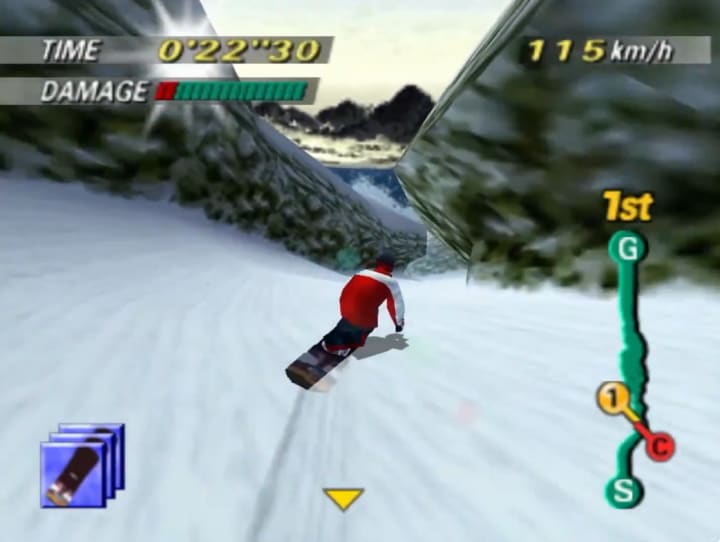
Some of the most iconic examples include
• 1080° Snowboarding
• Jet Set Radio
• Wipeout
• Wipeout 2097
• Ridge Racer Type 4
• Extreme-G
• Extreme-G 2
• F-Zero X
• Gran Turismo
• Rollcage
Flying through futuristic racetracks, snowboarding down digital mountains, or skating through neon cities felt natural when accompanied by atmospheric breakbeats and electronic soundscapes. The music gave these polygon environments a pulse.
For people who grew up during this era, the combination left a permanent imprint. Drum and bass became the unofficial soundtrack to early 3D gaming. Hearing chopped breaks and ambient pads can instantly bring back memories of CRT televisions, memory cards, and late night gaming sessions.
Now that entire aesthetic is quietly resurfacing.
Across the internet, producers and DJs are rediscovering what could be called low poly jungle. It blends atmospheric drum and bass with visual inspiration from early 3D gaming. On platforms like YouTube and TikTok, mixes are often paired with PS1 style visuals such as foggy polygon forests, glitching menu screens, drifting snowboarding characters, and racing environments that look like they came straight out of a forgotten cartridge.
The appeal is not just nostalgia for old games. It is nostalgia for an earlier version of the digital world. During the late 90s and early 2000s, technology still felt mysterious and futuristic. The internet was new, 3D graphics were experimental, and electronic music sounded like it belonged to a world that had not been fully built yet.
Modern producers are rediscovering that feeling.
The revival often combines several elements. Classic jungle breakbeats running around 170 to 174 BPM. Deep atmospheric pads inspired by intelligent drum and bass. Synth sounds reminiscent of early digital soundtracks. Visual art built from low resolution textures and polygon landscapes.
The experience feels like exploring a forgotten game level where the rave never ended.
A modern example of this style can be heard in Master Yourself Master The Game by Viberium and Primordial Archetype. The track blends atmospheric drum and bass textures with retro gaming inspired aesthetics, capturing the same futuristic energy that defined late 90s polygon era soundtracks while presenting a modern interpretation of jungle influenced drum and bass.
A good entry point into this sound is the playlist below, which captures the spirit of Y2K atmospheric drum and bass and the low poly jungle aesthetic.
Listen here:
https://open.spotify.com/playlist/3XPmQZCjs6oKfIAB1VZnOm
The resurgence of this style shows that the late 90s digital aesthetic still resonates today. Early 3D graphics might look simple by modern standards, but they represented a moment when technology felt limitless. Drum and bass captured the same optimism with fast rhythms, futuristic textures, and emotional depth.
Somewhere between nostalgic game worlds and rolling breakbeats, the polygon rave has returned.

About the Creator
L Stone
Singer/Song Writer & Blogger here to help inspire ideas for your reality.
The Tango Connection
I suppose I've become a writer so I wouldn't bore everyone to death telling them my stories. Reading them is reading. Not the same. There's rhythm. And timing and, most importantly, drama and suspense. Unless you have tremendous magnetism and an undeniable stage presence, there's no way you can engage an audience the way you can by writing your story. That's my opinion.
By Rene Volpi 27 days ago in Beat
The Break-Up
Introduction The cover image was borrowed from this site It's now 2023, and this is my first post of 2023, and I decided to pick a first album to play this year and chose "London Calling", the Clash's signature album which is full of incredible songs covering many styles complete with the Elvis Presley influenced typography on the cover of the album.
By Mike Singleton 💜 Mikeydred about 13 hours ago in Beat


Comments
There are no comments for this story
Be the first to respond and start the conversation.