


The document commonly known as the “Willie Lynch Letter” claims to be a 1712 speech given by a West Indian slave owner named William Lynch, instructing Virginia plantation owners on how to psychologically and socially control enslaved Africans. Although historians have widely debunked it as a modern fabrication, the themes it presents have resonated because they echo real practices of division, exploitation, and mental conditioning used throughout the era of slavery.
Below is a thorough breakdown of the letter’s content and themes, category by category, providing a full, coherent summary of its message and structure.
1. Introduction: The Arrival of “Willie Lynch” and His Promise of Control
The document opens by introducing its fictional narrator — Willie Lynch — who claims he has developed a foolproof method to maintain slave control “for hundreds, perhaps thousands, of years.” He frames himself as an expert from the West Indies, asserting that his region has perfected the art of breaking enslaved people both physically and psychologically.

The introduction works to position the speaker as a seasoned authority, supposedly more advanced than American slave owners. His purpose, he claims, is to teach Virginians how to prevent revolts, maintain dominance, and secure the ongoing productivity of their plantations.
At the core of this introduction is a chilling assertion: that **controlling a people through their minds is more durable than controlling them through physical force.** Violence punishes, but psychological manipulation reshapes identity and behavior across generations.
2. The Goal: Creating a Self‑Maintaining System of Division
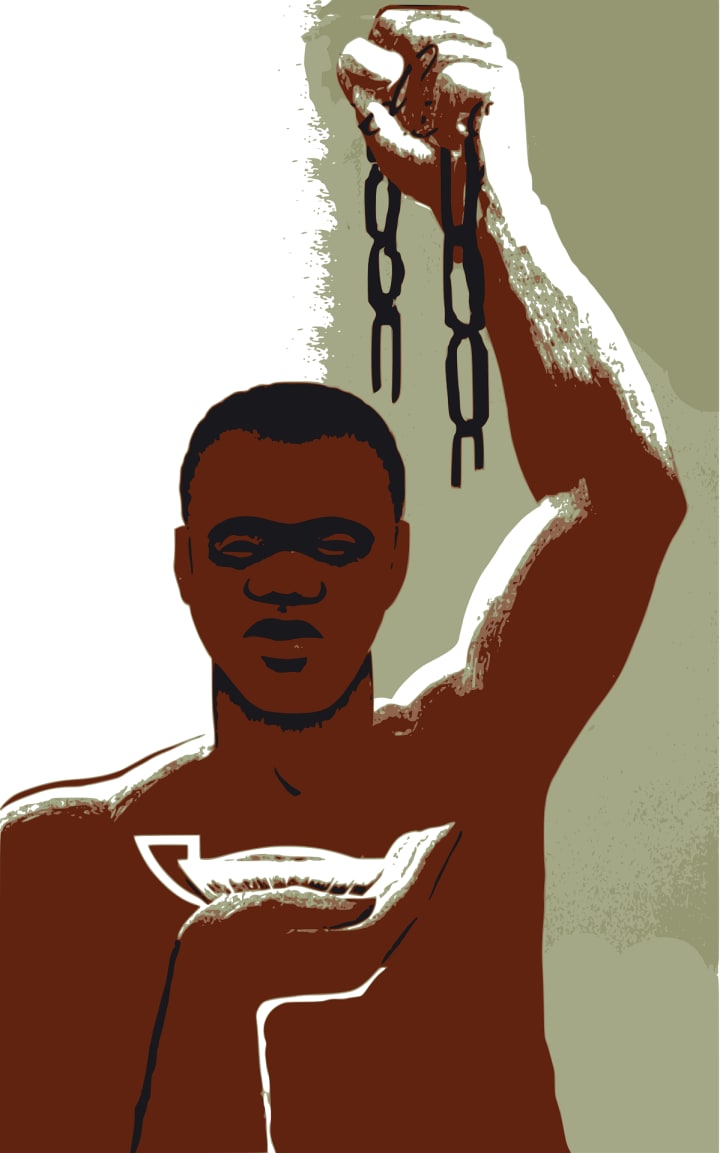
The next section outlines the overarching goal of the method — to create enslaved people who are mentally conditioned to distrust each other while depending emotionally and materially on the enslaver.
The goal of the method can be broken down into three pillars:
a) Destroy unity
If enslaved people distrust each other more than they distrust the enslaver, resistance becomes unlikely.
b) Create long-term mental dependence
Slaves are encouraged to believe they cannot survive without guidance from their oppressor.
c) Institutionalize fear
By amplifying fear and insecurity, enslavers ensure compliance without having to constantly supervise or punish.
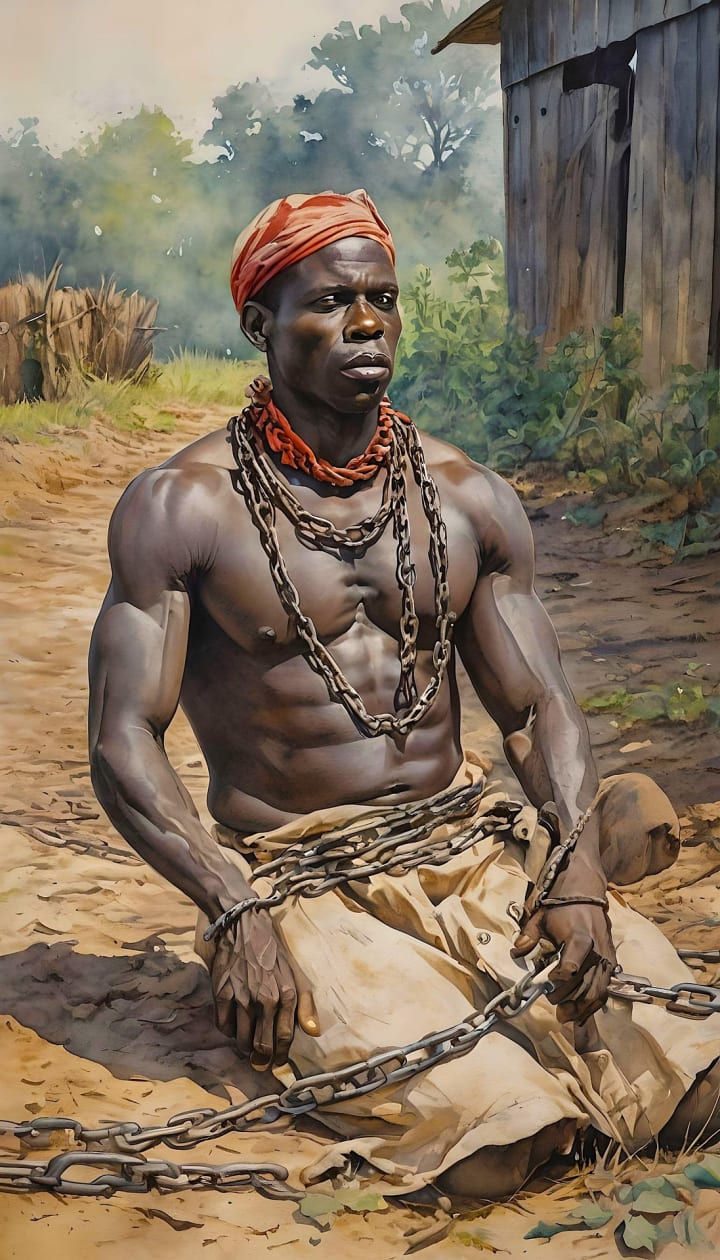
This section emphasizes that psychological domination, once internalized, becomes a self-reinforcing system. According to the letter’s logic, if enslaved people are trained to think in ways that benefit the oppressor, the oppressor ultimately has less work to do.
#3. Division as a Tool: Exploiting Differences to Maintain Control
This section is the heart of the letter and its most frequently cited idea. Lynch claims that the fastest way to destroy a people’s unity is by magnifying their differences. These divisions become the “ingredients” of the method.
The letter lists several dimensions of division:
A. Skin Tone — Light vs. Dark
Lynch instructs slave owners to pit lighter-skinned enslaved people against darker-skinned ones. Lighter-skinned enslaved people might be given privileges, indoor work, or symbolic superiority — creating internal resentment and competition.
B. Age — Young vs. Old
Young men are to be encouraged to distrust elders, and elders are taught to fear the energy of youth. This generational divide prevents collective wisdom and coordinated resistance.
C. Gender — Male vs. Female
The letter manipulates gender roles by:
* Breaking the male’s spirit through public punishment and humiliation.
* Encouraging female enslaved people to adopt protective roles that rely on the slave master rather than their own families.
D. Status — House vs. Field
House workers are assigned a “higher” status than field workers, creating jealousy and weakening solidarity.

E. Social Traits — Tall vs. Short, Strong vs. Weak
Even arbitrary differences are used to fuel mistrust.
The overall point: **If enslaved people see one another as rivals, threats, or enemies, they will never combine their power against slavery itself.
4. Breaking the Black Family: Destroying Structure and Resistance
The letter describes a deliberate method to dismantle the Black family unit — particularly the role of the Black man.
Step 1: Break the Male
The enslaver uses fear, violence, and humiliation to:
* Destroy his sense of leadership,
* Undermine his authority,
* Reduce him to a powerless, dependent figure.

A broken male, according to the letter’s logic, cannot guide or defend his family.
Step 2: Manipulate the Female
With the man weakened or removed, the woman is said to become hyper-vigilant and fearful. According to the letter, she will:
* Overprotect her children,
* Depend on the slave master for safety,
* Raise her sons to be weak and compliant instead of confident and independent.

Step 3: Condition the Children
Boys grow up without strong male models, while girls learn to mistrust Black men.
This cycle becomes intergenerational, ensuring long-term psychological dependency and fractured family structures.
5. Fear + Distrust = Permanent Mental Enslavement
Another section emphasizes that once fear is deeply rooted, enslaved people will internalize it and pass it down. Distrust replaces unity, suspicion replaces cooperation, and competition replaces collective strength.
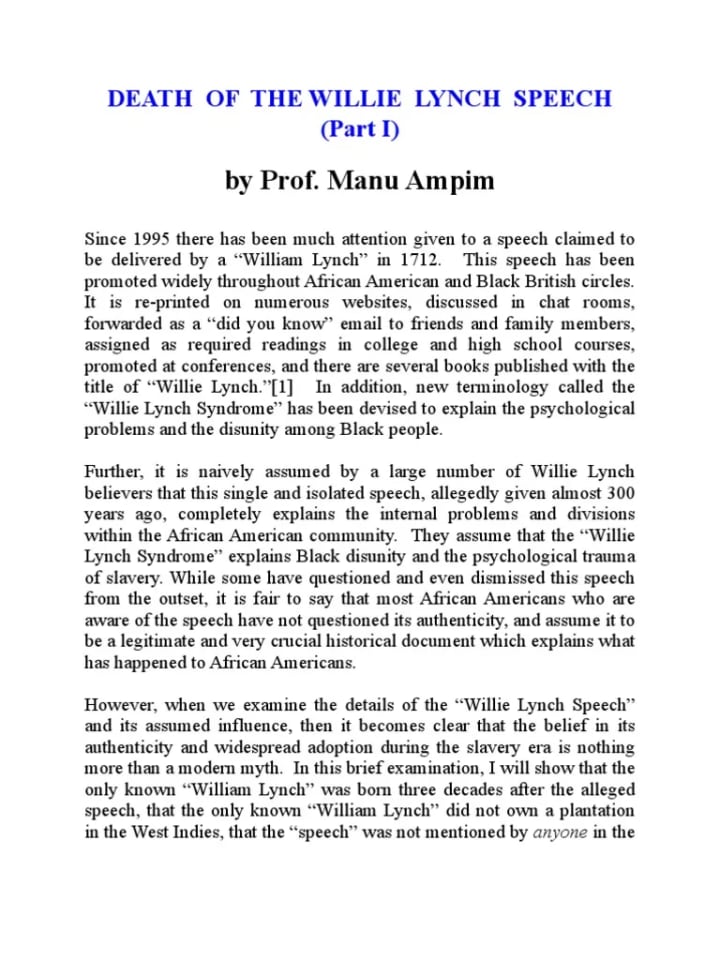
The letter claims that once these emotions are embedded in a people, they will “police themselves,” minimizing the need for outside intervention. Fear becomes an inherited condition, and psychological chains outlast physical ones.
This is where the letter asserts its famous — though fictional — idea that the method will last “for at least three centuries.”
6. Dehumanization Through Comparison to Horses and Livestock
Lynch uses the analogy of breaking a horse to illustrate how enslaved people should be conditioned. The process includes:
1. Breaking the animal’s will through trauma.
2. Separating it from the herd to increase dependence.
3. Rewarding obedience and punishing defiance.
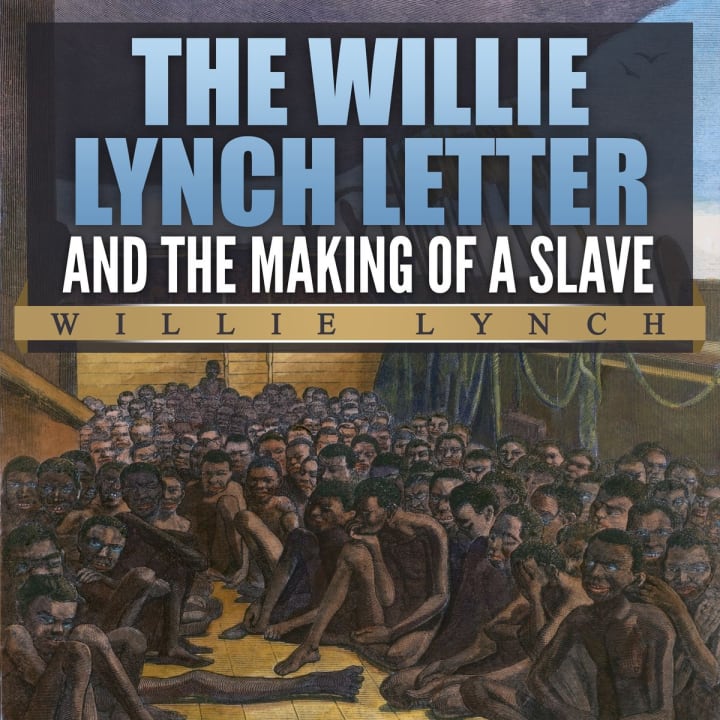
By comparing enslaved Africans to livestock, the letter underscores the mindset of complete dehumanization. This analogy serves as justification for psychological torture, positioned as a routine “training method.”
7. Instructions for Slave Owners: How to Maintain the System
The letter then lays out instructions for maintaining control, which can be summarized as follows:
* Keep enslaved people physically strong but mentally weak.
* Create privileges for obedience and punish unity.
* Manipulate differences so they produce conflict.
* Train enslaved people to rely on the master, not each other.
* Encourage competition, jealousy, and mistrust.
* Maintain surveillance not through force but through psychological conditioning.
The enslaver’s role becomes more administrative than violent — a sign (in the letter’s logic) of an efficient control system.
8. Predicted Long-Term Effects: A System That Outlives Slavery
The final section argues that once the method is established, it will continue for generations without intervention from the enslaver. Enslaved people, the letter claims, will:
* Teach division to their children,
* Continue to distrust and compete with one another,
* Reinforce the psychological structures of slavery long after physical chains are removed.
This is the chilling thesis of the letter:
once divided and conditioned, a people will oppress themselves.
⭐Final Thoughts
Whether authentic or not (and it is not), the Willie Lynch Letter resonates because it describes many real tactics used during the era of slavery and segregation — tactics that inflicted generational trauma. Its themes echo the structural, psychological, and social strategies that were historically used to maintain racial hierarchy.
About the Creator
Organic Products
I was born and raised in Chicago but lived all over the Midwest. I am health, safety, and Environmental personnel at the shipyard. PLEASE SUBSCRIBE to my vocal and check out my store
Keep reading
More stories from Organic Products and writers in Blush and other communities.
The Handshake Talent
Open opportunities Hey! I hope everything is going well for you. I wanted to reach out because I recently started sharing information about an opportunity that’s been gaining a lot of traction, and I think it’s something you or someone in your network might benefit from. It involves Handshake AI — a company that’s actively recruiting skilled professionals across a wide variety of specialized fields — and they’ve opened up a referral program that actually pays meaningful bonuses for connecting them with talented people.
By Organic Products about 15 hours ago in Blush
7 Essential Skincare Tips for Total Beginners
Starting your skincare journey can feel like trying to decode a foreign language. With endless products, complicated routines, and conflicting advice everywhere, it's no wonder most beginners feel overwhelmed before they even begin. But here's the thing—great skin doesn't require a chemistry degree or a bathroom cabinet full of expensive serums. The best skin care tips for beginners focus on simple, consistent habits that work with your skin, not against it. Whether you're dealing with breakouts, dryness, or just want that healthy glow everyone's talking about, these seven essential tips will set you up for success without the drama.
By Good health to everyone3 days ago in Blush
The Rain That Brought Us Together
It was a cool autumn evening in the busy streets of New York City, when people were rushing home from work while the sky slowly darkened with thick clouds that promised a heavy rainstorm, and among the crowds walking along the sidewalk was a young woman named Emily who had just finished a long day at her publishing job and was trying to reach the subway station before the rain began. Emily had always been someone who preferred quiet routines and simple evenings, but on that particular day she had stayed late at the office and was now hurrying through the streets while the wind picked up around her.
By The Curious Writer7 days ago in Blush




Comments
There are no comments for this story
Be the first to respond and start the conversation.