
Poor Posture and Neck Strain – Causes, Symptoms, and Relief
What is Poor Posture?
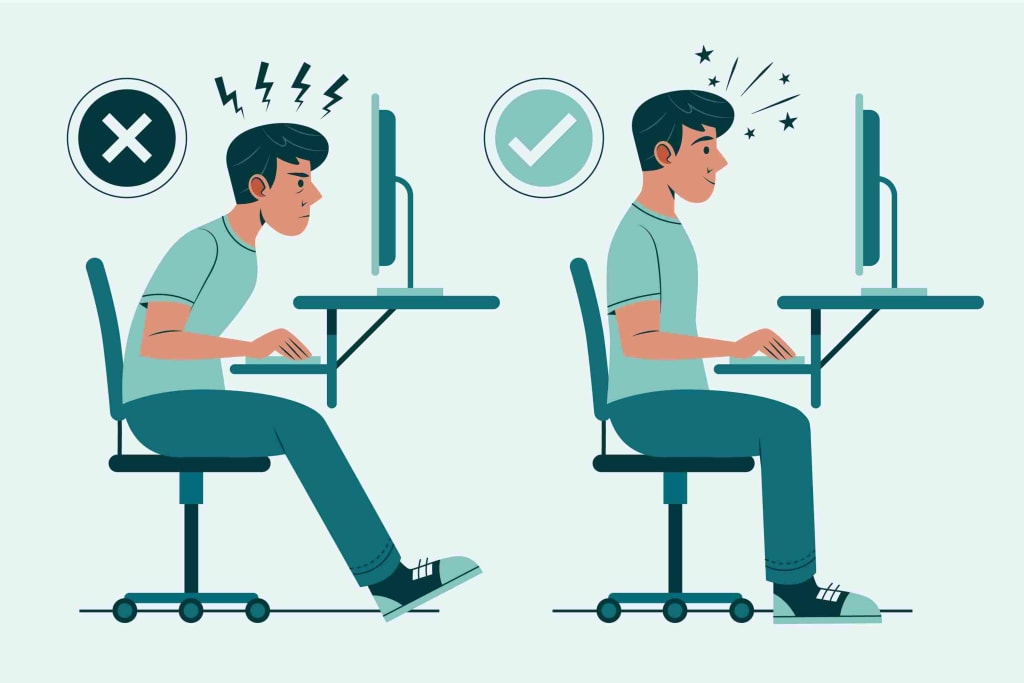
Neck strain and poor posture are common issues in today’s fast-paced lifestyle. Long hours at a desk, constant use of smartphones, or improper sleeping positions can lead to discomfort, headaches, and even chronic pain. Understanding the causes and remedies of neck strain caused by poor posture is key to maintaining overall well-being.
What is Poor Posture?
Poor posture occurs when your body is misaligned, putting extra stress on your muscles, ligaments, and joints. Common types of poor posture include:
Forward Head Posture: Head juts forward while sitting or standing
Rounded Shoulders: Shoulders slouch forward, often from desk work
Hunching or Slouching: Curved spine due to prolonged sitting
When posture is consistently incorrect, it strains the neck muscles, leading to tension, stiffness, and even headaches.
Causes of Neck Strain from Poor Posture
Several lifestyle and daily activities contribute to neck strain:
Extended Screen Time
Long hours on laptops, computers, or smartphones force the head forward, overworking neck muscles.
Incorrect Sitting Habits
Slouching in chairs or using poorly designed workstations increases spinal stress.
Sleep Positions
Sleeping without proper pillow support can twist the neck, causing morning stiffness.
Heavy Lifting
Carrying heavy bags or improper lifting technique strains neck and shoulder muscles.
Stress and Muscle Tension
Mental stress tightens neck and shoulder muscles, worsening posture-related strain.
Symptoms of Neck Strain Due to Poor Posture
You may notice:
Stiffness or pain in the neck and upper back
Headaches or migraines triggered by tension
Limited neck movement
Tingling or numbness in shoulders or arms in severe cases
Muscle fatigue and soreness
Recognizing these early helps prevent long-term complications.
How to Improve Posture and Reduce Neck Strain
1. Ergonomic Workstation Setup
Keep screens at eye level
Use chairs with proper lumbar support
Maintain feet flat on the floor and knees at 90°
2. Posture Exercises and Stretches
Chin Tucks: Strengthen neck muscles and correct forward head posture
Shoulder Blade Squeezes: Reduce rounded shoulders
Neck Side Stretches: Relieve stiffness and improve flexibility
3. Limit Screen Time
Take regular breaks every 45–60 minutes
Practice the 20-20-20 rule: look at something 20 feet away for 20 seconds every 20 minutes
4. Stress Management
Breathing exercises, meditation, or light yoga
Helps relax tight neck muscles and maintain better posture
5. Sleep Support
Use supportive pillows that maintain natural neck alignment
Avoid sleeping on your stomach, which twists the neck
When to Seek Professional Help
If neck pain persists despite lifestyle changes, consult a healthcare professional. Signs to watch for include:
Chronic or worsening pain
Numbness or tingling in arms or hands
Headaches linked to neck tension
Difficulty moving the neck
Physiotherapy or posture correction programs can help reduce pain, strengthen muscles, and prevent recurrence.
Preventive Tips for Long-Term Neck Health
Maintain good posture throughout the day
Exercise regularly to strengthen neck and back muscles
Stay hydrated to keep muscles flexible
Avoid carrying heavy bags on one shoulder
Take short movement breaks if sitting for long hours
Conclusion
Poor posture and neck strain are common problems in modern life, but they can be managed with awareness, simple exercises, and healthy lifestyle habits. Addressing posture issues early not only relieves neck pain but also prevents headaches, fatigue, and long-term spinal problems.
About the Creator
Keep reading
More stories from writers in Education and other communities.
Training for Excellence in Digital Worlds: How Skill Development Is Evolving
The way people learn new skills is changing faster than ever before. Traditional classrooms, manuals, and video tutorials still have value, but they are no longer the only options. Today, immersive digital environments are opening new paths for training and development. These spaces allow people to learn by doing rather than just watching or reading. As a result, learning becomes more engaging, practical, and effective.
By Alex Kipman7 days ago in Education
Side Quest Goal Achieved: Placing an Alien Claim
This is a post that has me quite ecstatic. It's funny, I thought it was going to be one of my usual, "Hey, I achieved another one of my goals and checked it off" type deals. And it sort of is. But it sort of isn't. And it's also one of my greatest writing accomplishments of late.
By Stephen Kramer Avitabile5 days ago in Writers




Comments
There are no comments for this story
Be the first to respond and start the conversation.