
Why BIM is Crucial for Durable Coastal Construction Projects in Florida?
A smarter approach to coastal construction using BIM for improved accuracy, longevity, and sustainability

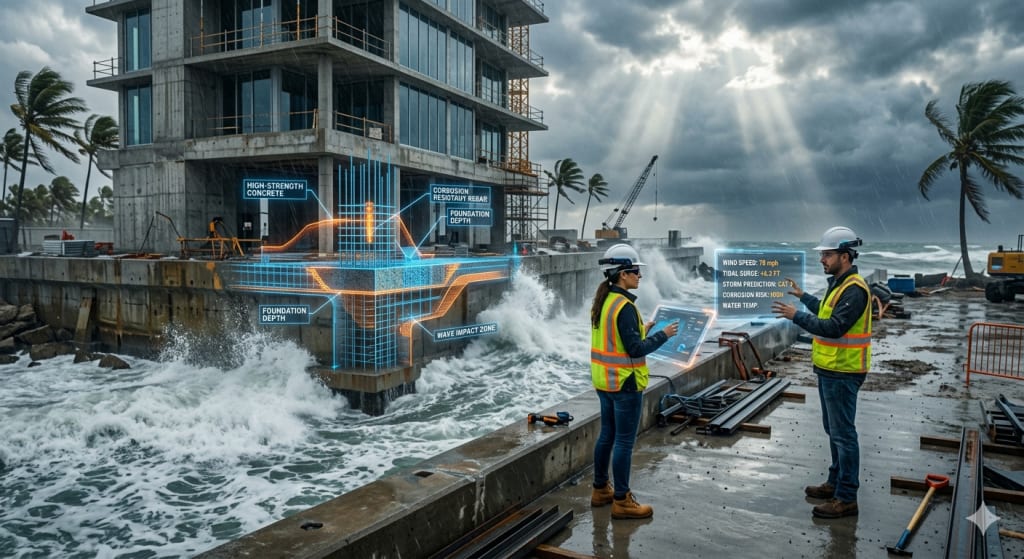
Coastal construction in Florida presents a unique blend of opportunity and risk. With its booming real estate market, tourism-driven infrastructure, and waterfront developments, Florida continues to attract investors and developers.
However, the same coastal environment exposes buildings to hurricanes, saltwater corrosion, high humidity, and rising sea levels.
To address these challenges, forward-thinking AEC professionals are turning to Building Information Modeling (BIM)—a transformative digital approach that ensures durability, resilience, and long-term performance.
Understanding Coastal Construction Challenges in Florida
1. Hurricane & Extreme Weather Risks
Florida is highly vulnerable to tropical storms and hurricanes, such as Hurricane Ian, which caused massive infrastructure damage.
Buildings must withstand:
- High wind loads
- Flying debris impacts
- Storm surges and flooding
- 2. Saltwater Corrosion
Proximity to the ocean leads to accelerated corrosion of structural elements, especially steel and reinforced concrete. Over time, this weakens the integrity of buildings.
3. High Humidity & Moisture Intrusion
Persistent humidity can cause:
- Mold growth
- Material degradation
- HVAC inefficiencies
4. Regulatory Compliance
Florida enforces strict building codes like the Florida Building Code, particularly for coastal zones and flood-prone areas.
What is BIM and Why It Matters?
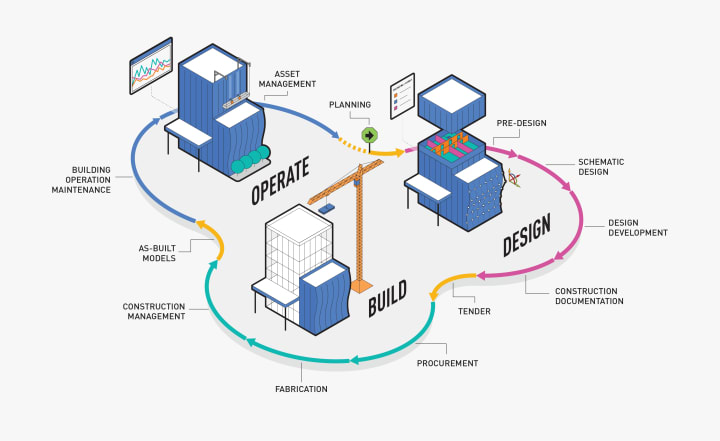
Building Information Modeling (BIM) is a digital representation of a facility’s physical and functional characteristics. Platforms like Autodesk Revit allow architects, engineers, and contractors to collaborate in a shared 3D environment.
Unlike traditional 2D drawings, BIM integrates:
- Geometry
- Materials
- Structural data
- Environmental performance
This enables better decision-making throughout the building lifecycle.
Why BIM is Essential for Coastal Durability
1. Enhanced Structural Resilience
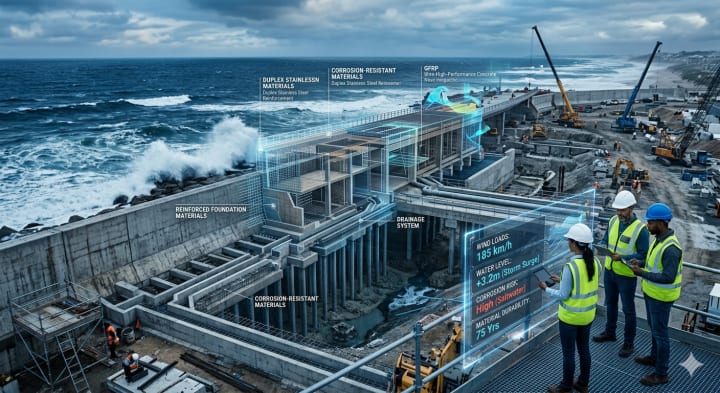
BIM allows engineers to simulate extreme weather conditions, including wind loads and storm surges. Structural elements can be optimized to meet hurricane resistance standards.
2. Accurate Material Selection
Using BIM, teams can evaluate materials suitable for coastal environments, such as:
- Corrosion-resistant steel
- Marine-grade coatings
- Moisture-resistant insulation
- This reduces long-term maintenance costs.
3. Improved Clash Detection & Coordination
Tools like Navisworks help detect clashes between structural, MEP, and architectural systems before construction begins—critical in complex coastal projects.
4. Lifecycle Cost Optimization
BIM supports 5D cost modeling, enabling:
- Accurate budgeting
- Predictive maintenance planning
- Reduced lifecycle costs
5. Flood & Elevation Planning
BIM integrates geospatial and topographic data to:
- Design elevated structures
- Plan drainage systems
- Mitigate flood risks
6. Compliance with Building Codes
BIM models can be aligned with regulatory requirements such as FEMA guidelines and the Federal Emergency Management Agency standards, ensuring approvals and reducing delays.
Real-World Applications of BIM in Florida Coastal Projects
Residential Developments
Luxury waterfront homes use BIM for:
- Elevated foundation design
- Moisture-resistant interiors
- Smart drainage systems
- Commercial Infrastructure
Hotels and resorts along the coast leverage BIM for:
- Energy-efficient HVAC systems
- Structural wind resistance
- Emergency evacuation planning
- Public Infrastructure
Bridges, ports, and coastal roads benefit from:
- Structural simulation
- Long-term maintenance modeling
- Disaster resilience planning
BIM + Emerging Technologies for Coastal Construction
1. Integration with LiDAR & Laser Scanning
Advanced tools like the Leica RTC360 enable accurate site data capture for renovation and retrofitting projects.
2. Digital Twins for Facility Management
BIM models evolve into digital twins, allowing real-time monitoring of:
- Structural health
- Energy consumption
- Environmental conditions
3. AI & Predictive Analytics
AI-powered BIM tools help predict:
- Structural failures
- Maintenance needs
- Climate impact scenarios
Key Benefits of BIM for Coastal Construction
✅ Increased building lifespan
✅ Reduced maintenance costs
✅ Improved safety and resilience
✅ Faster project delivery
✅ Better ROI for developers
Future of Coastal Construction in Florida
With climate change intensifying coastal risks, BIM is no longer optional—it’s a necessity. Developers and AEC firms that embrace BIM will be better equipped to deliver durable, compliant, and future-ready structures.
Government bodies and organizations like the American Institute of Architects are also promoting resilient design practices, further driving BIM adoption.
Coastal construction in Florida demands a proactive approach to durability and resilience. BIM empowers stakeholders with the tools needed to design, analyze, and maintain structures that can withstand harsh coastal conditions.
For AEC firms, adopting BIM is not just about innovation—it’s about ensuring long-term sustainability, safety, and profitability in one of the most challenging construction environments.
Further Reading
About the Creator
Matt Sharon
A professional content writer. Having years of experience in Technology, health, finance, and construction and real estate field. Writing is my passion and I love to play with words Confidently.
Keep reading
More stories from Matt Sharon and writers in Education and other communities.
Point Cloud to BIM for Historic & Brownfield Buildings in Massachusetts
Massachusetts is home to a rich mix of historic landmarks, aging infrastructure, and brownfield redevelopment sites. From centuries-old buildings in Boston to industrial zones in Springfield, the need for accurate documentation and efficient renovation planning has never been greater.
By Matt Sharon11 days ago in Education
Smoothie Diet for Weight Loss
Weight Loss Smoothie Recipes: A Beginner's Guide That Actually Works Finding weight loss smoothie recipes that genuinely deliver results can feel a bit overwhelming when you're just starting out. Most diets seem to demand complicated meal prep or punishingly restrictive eating plans, smoothies offer something far more manageable. Done right, they give you portion control, proper nutrition, and real convenience, all in a single glass.
By Abdulrahman Naseeb2 days ago in Education
Thirty (one) and Neither Flirty nor Thriving.
I'm thirty-one and orbiting the same few mistakes like they're landmarks. London is already awake before I am (or before I've slept) - sirens somewhere far enough to ignore, buses sighing at stops, people moving with purpose I can't quite borrow. I lie there for a bit, tasting last night at the back of my throat, trying to remember if I meant to drink that much or if it just...happened again.
By Stacey Vella4 days ago in Psyche




Comments
There are no comments for this story
Be the first to respond and start the conversation.