
Avoid Keto Pitfalls: Top 7 Beginner Mistakes & How to Fix Them (Non-Medical Advice)
Advise on how you can avoid mistakes while starting a Keto Diet

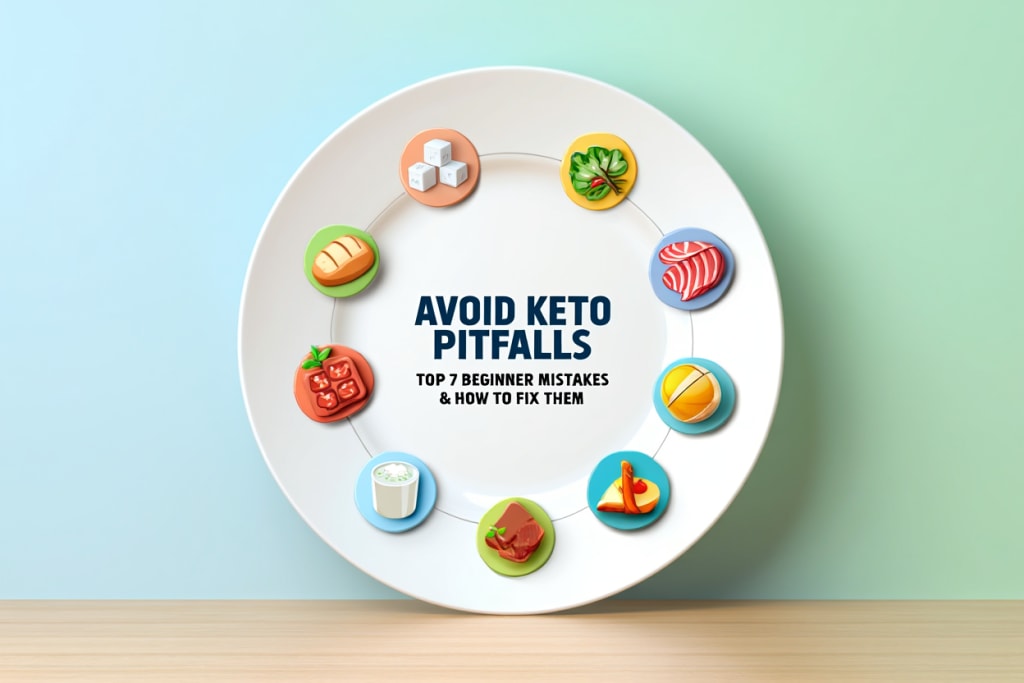
The keto diet is a popular low-carb diet that helps burn excess body fat. A keto diet triggers a process called ketosis, which is a metabolic state in which the body burns fat for fuel instead of carbohydrates, creating ketones. This diet has gained popularity due to numerous recommendations from various sources.
With multiple individuals promoting the ketogenic diet, there is a substantial risk of misinformation that can lead to mistakes arising from these misconceptions.
Starting a ketogenic diet can be challenging, so it’s essential to avoid common mistakes.
1) Not consuming enough fat
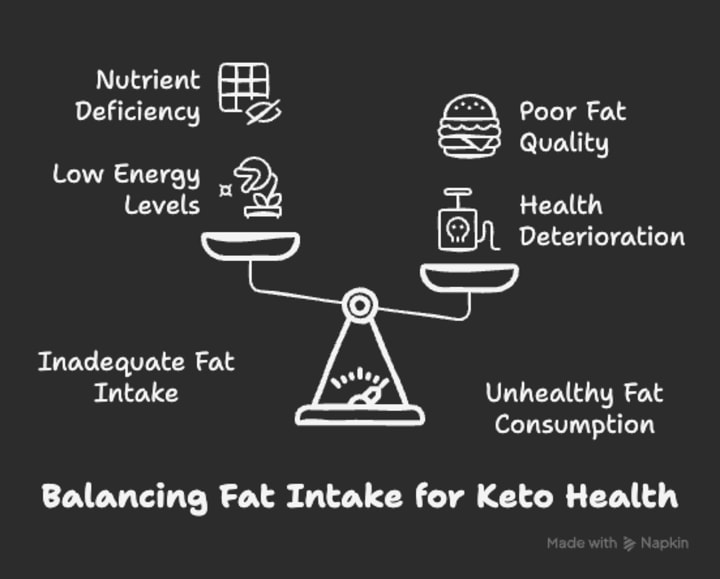
It is a widely accepted misconception that fat is associated with weight gain. Thus, despite the keto diet suggesting intake of plenty of fats, people are skeptical of consuming excessive fat, leading to inadequate fat intake on a keto diet.
Not getting enough fat on the keto diet can cause various problems, like feeling tired, having low energy, and not getting the right nutrients your body needs.
An effective way to address this mistake is to determine the appropriate amount of fat you should consume by consulting a nutritionist or your doctor.
Consuming unhealthy fats can lead to health deterioration, so it is advised to avoid trans fats and vegetable oils. The focus is on a variety of nutritious fats, including healthy sources of plant-based and animal fats.
2) Overeating Protein
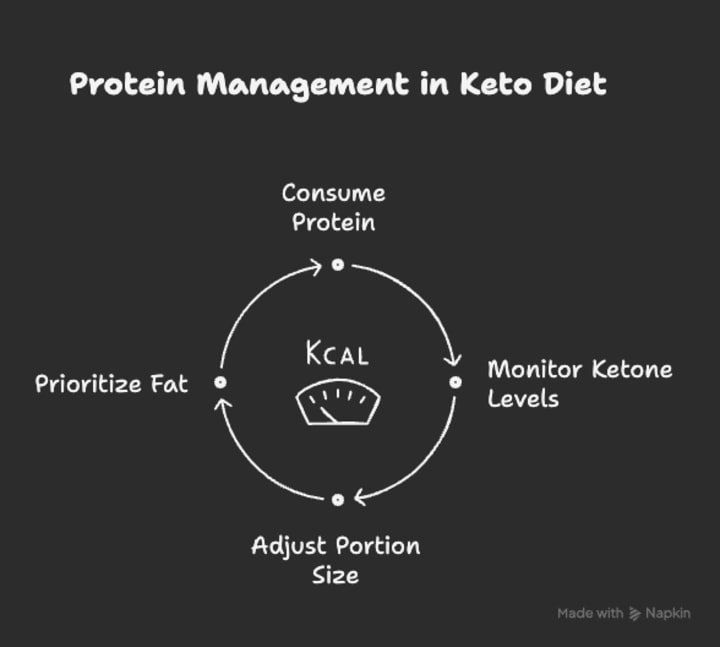
Protein is an important component of the Keto diet, but consuming excessive amounts of protein can trigger gluconeogenesis, where protein turns into sugar, eventually raising insulin and burning less fat.
However, protein is a highly satiating food, making it difficult to consume in high amounts.
If you find that consuming a certain amount of protein kicks you out of ketosis, even with a low-carb meal, consider reducing the portion size. Afterwards, monitor your ketone levels to see if this change makes a difference.
Additionally, prioritize fat as your main energy source over protein by choosing to consume fattier cuts such as salmon, chicken thighs, or ribeye.
3) Neglecting Electrolyte Balance
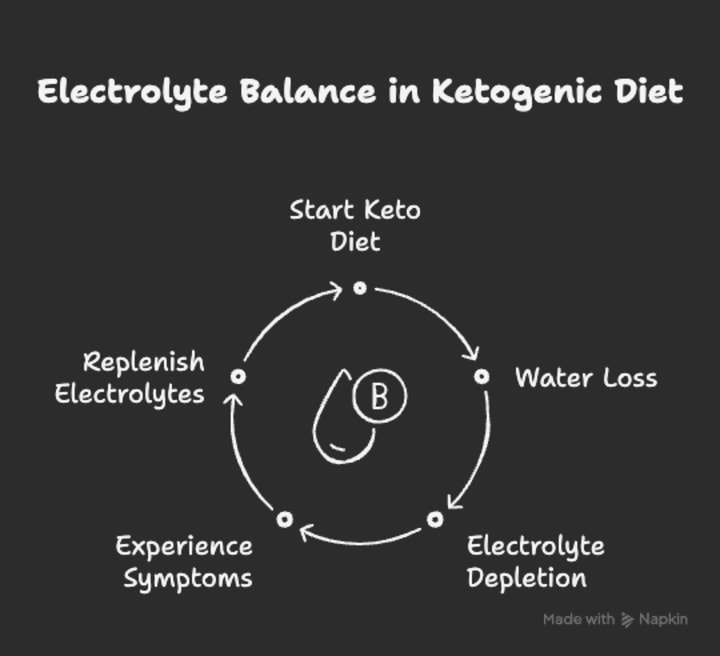
When you begin a ketogenic diet, your body loses a significant amount of water due to lower insulin levels. As this happens, essential electrolytes such as sodium, potassium, and magnesium are also flushed out. If you don’t replenish these electrolytes, you may experience symptoms like fatigue, dizziness, irritability, nausea, muscle cramps, or what is commonly referred to as the keto flu.
Therefore, it is important to salt your foods well to increase your sodium intake. Eating potassium-rich foods like salmon, spinach, and avocados and drinking plenty of water can significantly help in obtaining electrolyte balance.
Furthermore, you may consider taking magnesium and potassium supplements, but it is important to consult a professional before starting any supplements.
4) Not Tracking Macros Accurately
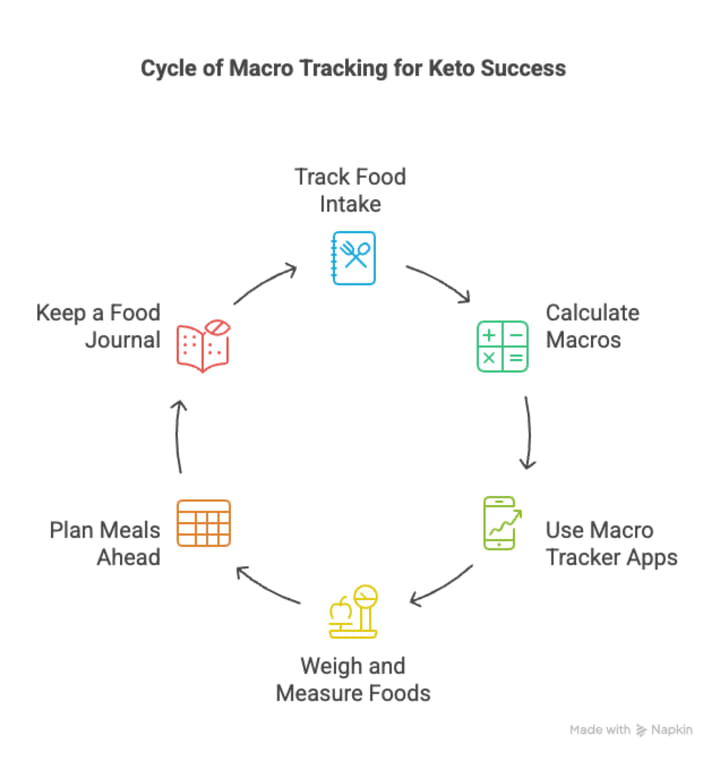
Tracking macros essentially involves keeping track of foods you eat and your total caloric intake. Calculating your macros instead of simply guessing them can help you accurately determine your total food intake.
Not tracking your macros can lead to an unbalanced keto diet, which can hinder your progress and may even cause health problems.
It is highly beneficial to use macro tracker apps to monitor your intake, understand your macro goals, and ensure you're fueling your body correctly. Properly weighing and measuring foods before eating helps you stay accountable and achieve your desired results.
Additionally, planning meals ahead of time can simplify your week and reduce the temptation to make impulsive food choices. Keeping a food journal is also a great way to track your progress and stay mindful of your eating habits. Together, these practices can lead to a more balanced and healthier lifestyle.
5) Ignoring Fiber
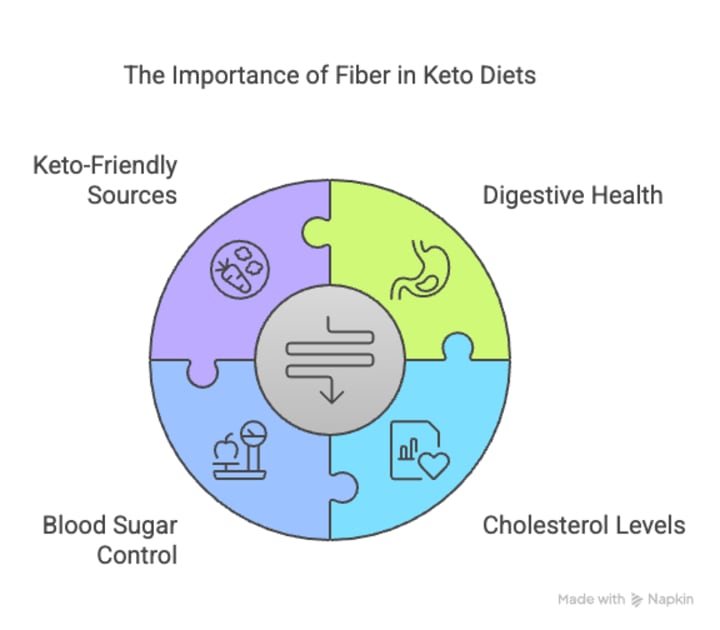
Fiber plays an important role in digestive health by regulating bowel movements, improving cholesterol levels, and keeping blood sugar in check. Ignoring fiber on a keto diet can lead to negative health effects, including inflammation, fatigue, and constipation.
Many people overlook the importance of fiber in their diets because they mistakenly believe it is the same as carbohydrates. While some common sources of carbs also contain fiber, there are plenty of exceptions.
To ensure a Keto-friendly fiber boost, consider adding avocados, seeds, nuts, and some leafy greens into your meals. Additionally, adding coconut not only enhances flavor but also serves as an excellent, keto-friendly source of fiber, helping you meet your dietary needs.
6) Neglecting sleep and stress
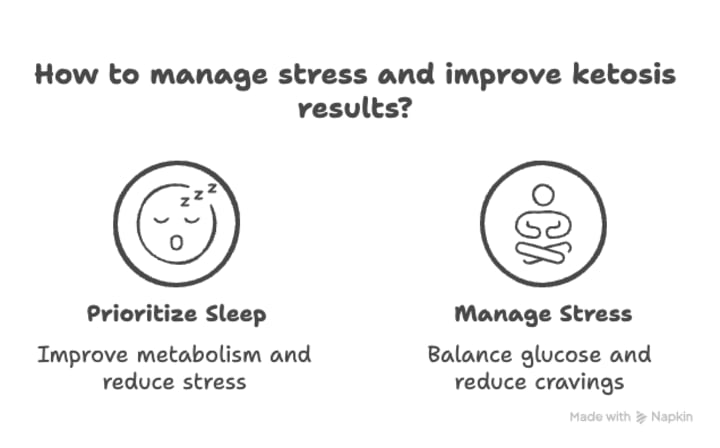
Many people assume that ketosis is caused solely by the keto diet, neglecting the importance of adequate rest and sleep, which can lead to increased stress levels. Sleep deprivation not only leaves you feeling exhausted and disturbed, but it can also disrupt your metabolism and stall expected results.
Poor sleep raises cortisol (stress hormone) levels, resulting in unbalanced glucose levels, an increase in cravings, and less water retention.
You should set a consistent sleep schedule, avoid screens before bedtime, increase meditation, and incorporate mindfulness activities like walking and journaling to reduce your stress level.
7) Expecting Fast Results and Quitting Too Soon.
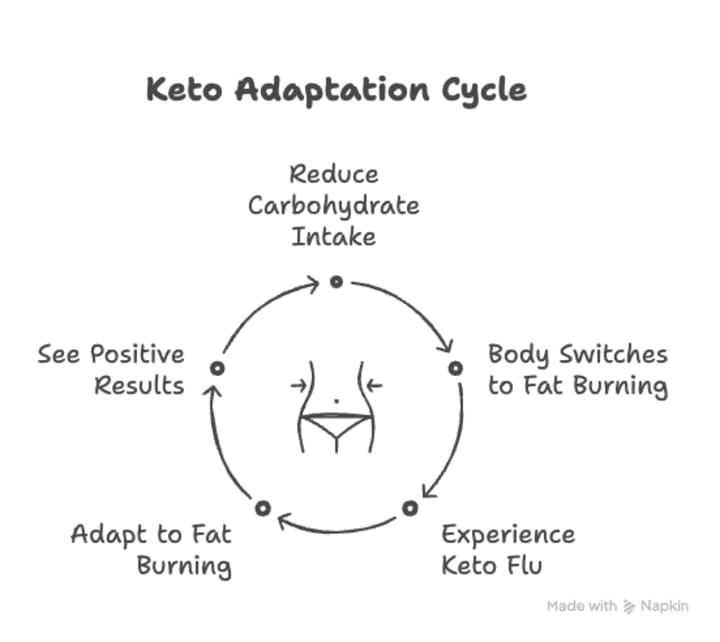
Our bodies primarily use carbohydrates as our main fuel source. When carbohydrates are available, they are converted into energy for our system. However, if you significantly reduce your carbohydrate intake, your body must transition to burning fat for energy. This fat can come from your diet and your body's fat stores.
It can take a few days for your body to primarily burn fat instead of carbohydrates, which may lead to a period of feeling unwell and experiencing fatigue, commonly referred to as the "keto flu." During this time, many people do not see noticeable fat loss, feel under the weather, and often decide to quit the keto diet.
To see positive results and maintain a healthy keto diet, it's essential to push through this initial phase. Although full adaptation may take a couple of weeks, it's important to be patient and wait for your body to adjust.
If the keto flu lingers and significantly disrupts your daily activities, it’s advisable to consult with a dietitian or any other medical professional.
Indicators That You Are Not Following Keto Correctly.
Several signs may indicate your keto diet is not effective or that you are making some mistakes.
- No changes in body weight
- Heightened appetite
- Irregular blood pressure levels
- Irregular blood sugar
- Imbalance in electrolytes
- Experiencing significant fatigue, struggling to maintain exercise routines
- Difficulty sleeping
- Gastrointestinal problems, including both diarrhea and constipation
- Muscle loss
- Mood swings.
Smart Choices for Best Results
The keto diet can be highly effective for weight loss and improved focus, but it must be approached correctly. Beginners often fall into misconceptions and view the keto diet negatively, largely due to unrealistic expectations and a lack of patience. By avoiding these common mistakes, you can give your body a better chance of success.
It's important to note that the keto diet is not the same for everyone; different bodies require different approaches. Therefore, it's essential to understand your body's needs. Seeking guidance from a professional can be beneficial as you work towards your goals with an open mind.
FAQ
How can I know if I'm in ketosis or simply following a low-carb diet?
You can know you’re in ketosis when your body produces measurable ketones. You can use a blood ketone meter, breath testers, or urine strips to confirm ketones in your body. Other signs include mental clarity, reduced hunger, and stable energy.
What are the symptoms of keto flu, and what steps can I take to prevent it?
Symptoms such as fatigue, headaches, irritability, muscle cramps, and brain fog often occur as a result of keto flu. To prevent or alleviate these symptoms, it's important to replenish electrolytes, including sodium, magnesium, and potassium, while also staying well-hydrated.
Is it possible to eat too much fat on keto?
While fat is your primary energy source, consuming excessive calories (even from fat) can hinder weight loss. Focus on quality fats like avocado, olive oil, and butter, and monitor portion sizes if your goal is to lose fat.
Why am I still hungry on a keto diet even though I’m consuming fats?
If you’re still feeling hungry, it might be due to insufficient calorie intake or a lack of fiber in your diet. Make sure you are eating filling meals that contain a balance of protein, healthy fats, and low-carb vegetables. Additionally, evaluate your sleep quality and stress levels, as both can interfere with your hunger signals.
Is constipation common in Keto?
Yes, thus, it is especially important to eat enough fiber and drink sufficient water. Incorporate leafy greens, chia seeds, flaxseeds, and magnesium to support digestion.
Can chronic stress kick me out of Ketosis?
Chronic stress can indirectly impact your success on the keto diet. When stress levels rise, cortisol increases, which may lead to higher blood sugar levels and disrupt ketosis. Additionally, stress can trigger cravings, making it easier to overeat. To achieve optimal results on the keto diet, it's important to manage stress and prioritize good quality sleep.
How long should I stay on the keto diet?
The length of a keto diet depends on your body and your goals. Some people use the keto diet for short-term fat loss or blood glucose control, while some use it for cognitive or metabolic benefits.
About the Creator
Bishalya Gautam
I am an avid writing enthusiast with a deep passion for sharing my input on culture, arts, history, and food. I go through different trajectories of writings and bring informed knowledge to your screens.
Keep reading
More stories from Bishalya Gautam and writers in Feast and other communities.
Foraging Appalachia’s Wild Edibles
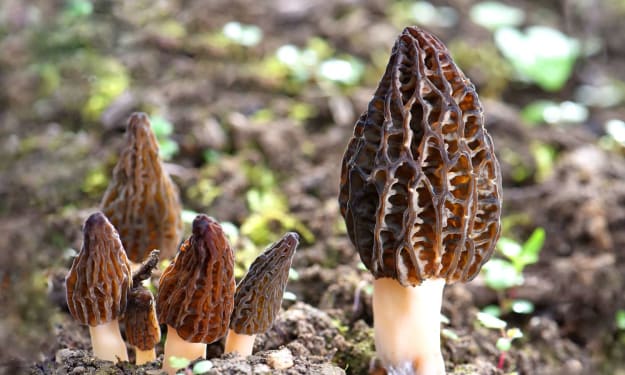
It's that time of year again and Appalachia offers a remarkable abundance for anyone willing to learn its seasonal gifts and practice careful gathering. Across ridges, holler's, stream-side's, and meadows, edible plants, berries, roots, and fungi appear through every part of year. Knowledge is key and teaches not only what can be eaten, but also how to gather with respect so that these resources remain available far into future.
By Tim Carmichael13 days ago in Feast
Why Phuket’s Food Scene Appeals to International Travellers
Phuket’s food scene isn’t built around a single cuisine or a fixed dining style. It operates through constant movement – seafood arriving through coastal areas such as Rawai and Chalong, fresh produce circulating through markets like Banzaan Market, and prepared dishes appearing across streets, cafés, and restaurants at different times of the day. Travellers often move between familiar dishes and lesser-known local options within the same area. One turn might lead to pad thai, while another leads to kanom jeen, served with regional curries. This variety makes the food scene easier to explore without detailed planning.
By Aurora Gianna3 days ago in Feast



Comments
There are no comments for this story
Be the first to respond and start the conversation.