
Build Cloud Native Applications with Modern Tools: A Complete Guide
Understanding the Technologies Behind Scalable and Flexible Software

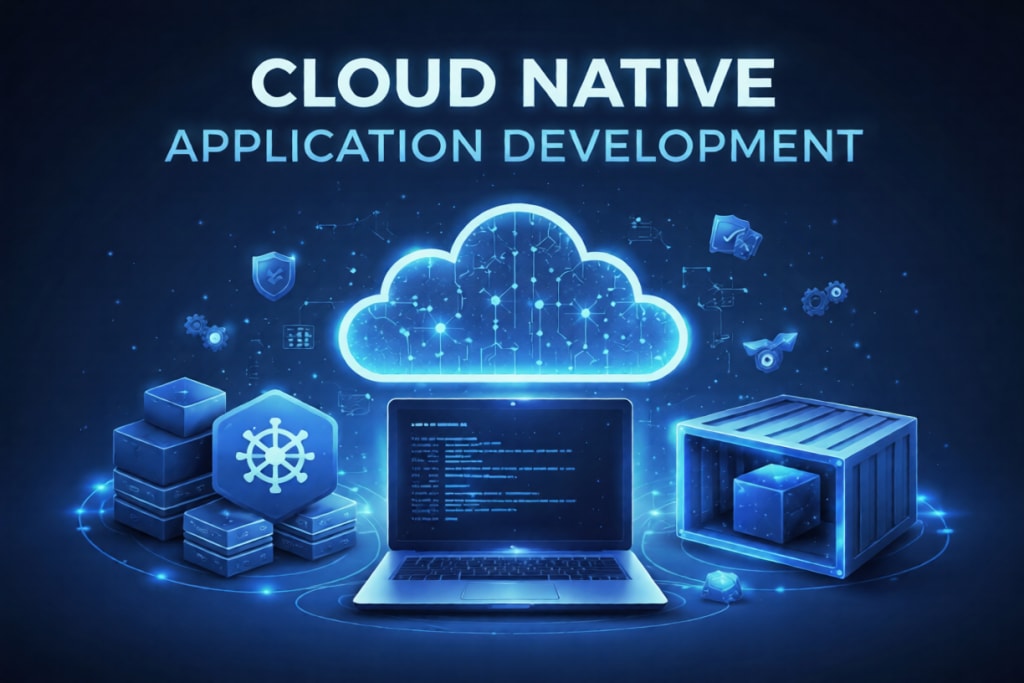
Over the past several years, the way software is built and deployed has changed dramatically. In the past, many applications were designed to run on a single server or a fixed infrastructure. Today, however, most modern systems are created to operate in cloud environments where they can scale, adapt, and evolve as user needs grow.
This shift has led to the rise of cloud-native application development. Instead of simply moving traditional software to the cloud, developers now design applications specifically for cloud platforms from the start. The goal is to build systems that are flexible, resilient, and capable of handling changing workloads without major disruptions.
From startups launching new products to large enterprises managing global platforms, many organizations are adopting cloud-native approaches to create applications that can grow along with their businesses.
What Are Cloud-Native Applications?
At a basic level, cloud-native applications are built to fully take advantage of cloud environments. Rather than relying on a single large system, these applications are typically made up of smaller, independent components that work together.
This modular approach makes development much more flexible. Individual parts of the application can be updated or improved without affecting the entire system. As a result, development teams can release new features faster and respond more easily to changing requirements.
Cloud-native systems are often associated with a few key characteristics:
- Scalability – applications can handle growing numbers of users or requests
- Resilience – systems remain operational even if certain components fail
- Flexibility – developers can update features more frequently
- Automation – many processes are handled automatically to reduce manual work
These qualities help organizations create software that performs reliably in modern digital environments.
The Importance of Containers
One technology that has played a major role in cloud-native development is containerization. Containers allow developers to package an application along with everything it needs to run, including libraries, configurations, and dependencies.
This approach ensures that the application behaves the same way in different environments. Whether it is running on a developer’s computer, a testing environment, or a cloud server, the container keeps the setup consistent.
Containers also make it easier to manage different parts of an application independently. Each service can run inside its own container while still working as part of a larger system.
Microservices: Breaking Applications into Smaller Pieces
Another common element of cloud-native architecture is the use of microservices. Instead of building one large application that handles everything, developers divide the system into smaller services that each perform a specific task.
For example, an online store might separate its system into services for:
- user accounts and authentication
- product listings
- payment processing
- order tracking
Each service operates independently and can be updated without affecting the rest of the platform. This structure allows development teams to move faster and experiment with improvements more easily.
Managing Applications with Orchestration Tools
As applications grow and include many services, managing them becomes more complex. This is where orchestration tools come into play.
Orchestration platforms help organize and manage containers across distributed environments. They automate tasks such as deploying services, scaling resources, and monitoring system health.
For example, if an application suddenly experiences high traffic, orchestration tools can automatically launch additional service instances to handle the demand. When traffic decreases, those resources can scale down again.
This automation helps maintain performance while reducing the need for constant manual management.
Continuous Integration and Continuous Delivery
Modern cloud-native development also relies heavily on continuous integration and continuous delivery, often referred to as CI/CD. These practices focus on automating the process of building, testing, and deploying software.
Instead of releasing large updates only a few times a year, development teams can deliver smaller improvements more frequently. Automated tests help ensure that new changes do not introduce unexpected problems.
A typical CI/CD workflow may include:
combining code contributions from multiple developers
running automated tests to verify functionality
performing security checks
deploying updates to testing or production environments
This approach allows teams to deliver updates more quickly while maintaining reliability.
Monitoring and Observability
When applications run across distributed cloud environments, monitoring their behavior becomes essential. Observability tools help development teams understand how their systems perform and identify issues before they affect users.
These tools collect information such as:
- application logs
- performance metrics
- system health indicators
- user activity patterns
By analyzing this data, teams can troubleshoot problems faster and continuously improve the stability of their applications.
Benefits of Cloud-Native Development
Adopting cloud-native practices offers several advantages for organizations building modern software.
Scalability
Applications can automatically adjust to increased demand, making it easier to support growing numbers of users.
Faster Innovation
Smaller, independent services allow teams to develop and release new features more quickly.
Improved Reliability
Distributed architectures help ensure that failures in one component do not affect the entire application.
Greater Flexibility
Cloud-native systems can adapt more easily to changing technologies and business needs.
Challenges to Keep in Mind
Although cloud-native development offers many benefits, it also introduces new complexities. Managing distributed systems requires careful planning and a strong understanding of infrastructure.
Some common challenges include:
- coordinating multiple services
- managing network communication between components
- maintaining security across distributed systems
- monitoring complex environments
Many organizations address these challenges by using automation tools and investing in modern development practices.
A Growing Ecosystem of Tools
As cloud-native development continues to grow, an entire ecosystem of tools and platforms has emerged to support it. Cloud providers, open-source communities, and technology companies are constantly developing new solutions that help simplify building and managing cloud-native applications.
These tools support areas such as container management, infrastructure automation, monitoring, and security. With more resources available than ever before, developers can build powerful cloud-based systems with greater efficiency.
Looking Ahead
Cloud technology continues to evolve rapidly, and cloud-native development is expected to remain a key part of the future of software engineering. New innovations such as serverless computing, edge computing, and advanced automation are already shaping how applications are designed and deployed.
As businesses continue to rely on digital services, building scalable and adaptable applications will become even more important.
Final Thoughts
Cloud-native development represents more than just a set of tools—it reflects a new way of thinking about software design. By focusing on scalability, flexibility, and automation, developers can create systems that are better suited to today’s fast-moving digital landscape.
As technologies continue to advance, cloud-native practices will likely play an increasingly important role in how modern applications are built and maintained.
About the Creator
Keep reading
More stories from writers in Futurism and other communities.
Apple’s 2026 Reshuffle: 4 Surprising Shifts Redefining the Post-Ive Era
1. The "New" Apple Takes Shape The ghost of Jony Ive has finally left the building. Apple just concluded a "Big Week" that saw the release of seven distinct products—ranging from the breakthrough MacBook Neo to the M4 iPad Air and AirTag 2—but the real story isn't the hardware. It is the names on the leadership page.
By Tech Horizons5 days ago in Futurism
Saudi Arabia Beauty and Personal Care Market: Premiumization, E-commerce Growth & Expansion Outlook
According to IMARC Group's latest research publication, Saudi Arabia Beauty and Personal Care market size reached USD 4.6 Billion in 2024. The market is projected to reach USD 6.4 Billion by 2033, exhibiting a growth rate of 3.7% during 2025-2033.
By Shubham Sharma about 2 hours ago in Futurism
Hottest in the Office
Dear Rafi, You’re very distracting to work around. For the first second I saw you the other day, I thought you were some type of executive. It took a moment to realize no, you were just the new guy, dressed up for the job he wants. Be still, my heart.
By Gabriel Shames3 days ago in Pride




Comments
There are no comments for this story
Be the first to respond and start the conversation.