
Enhancing Factory Safety with Gobo Projectors: A Smarter Visual Approach
Tech
Introduction
Factory environments are constantly evolving, with heavy machinery, moving vehicles, and fast-paced operations creating potential safety risks. Clear and visible communication is essential to prevent accidents, yet traditional safety signs—such as painted lines or printed boards—often fade, wear out, or become less noticeable over time.
To address these challenges, many industries are adopting smarter and more flexible safety solutions. One of the most effective innovations is gobo projection technology. By projecting bright, high-definition safety signs directly onto floors and walls, factories can ensure that important messages remain visible, adaptable, and impactful in real time.
Understanding Gobo Technology in Simple Terms
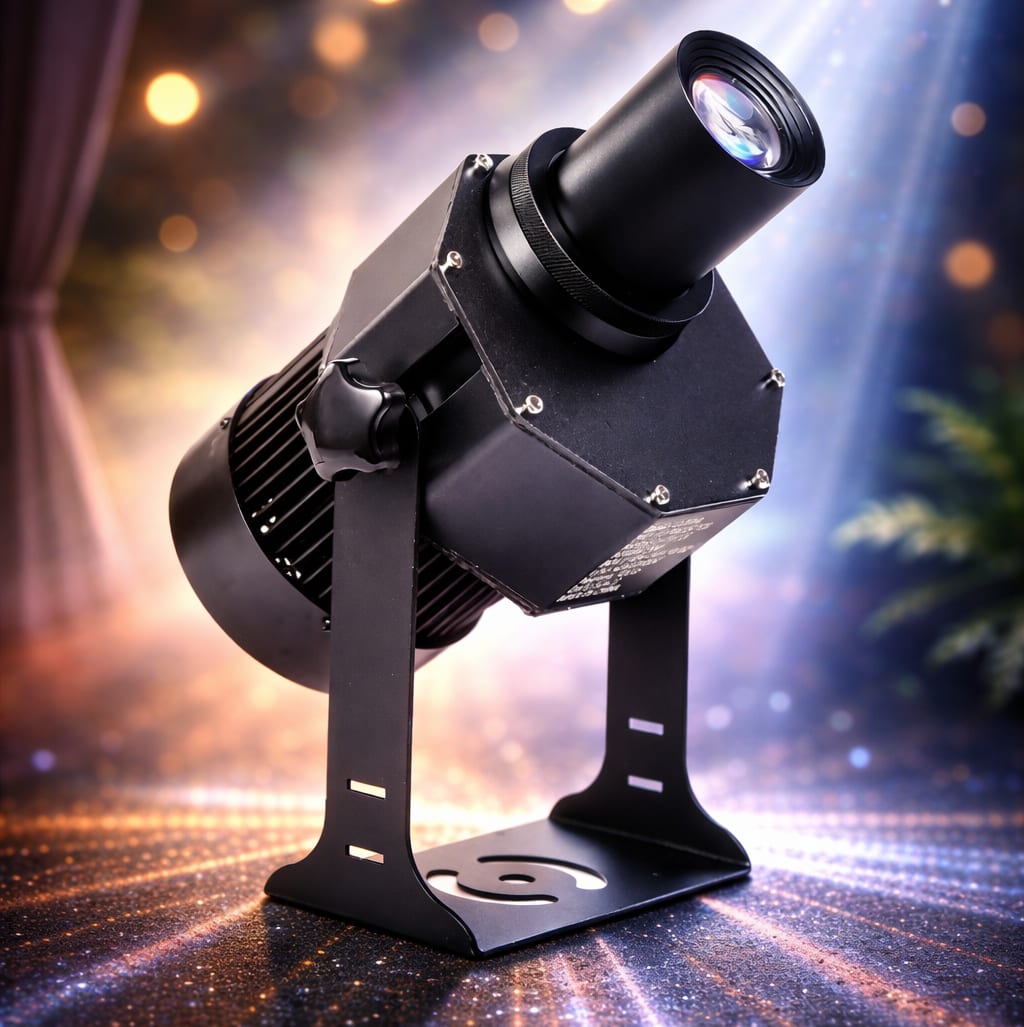
A Gobo is a stencil or template placed inside a projector that shapes light into a specific pattern or design. When light passes through this template, it projects a clear image—such as a warning symbol, text, or directional sign—onto a surface.
In factory environments, this technology allows safety signs to be displayed without physically painting or installing them. The projected image remains sharp and visible even in high-traffic areas where traditional markings may fade quickly. Because the system is flexible, factories can update or reposition safety visuals instantly whenever layouts or workflows change.
The Growing Need for Better Safety Solutions
Factories are dynamic spaces where layouts, machinery, and workflows frequently change. Traditional safety methods often fail to keep up with these shifts. Painted lines can wear off due to heavy use, and fixed signboards can be blocked or overlooked.
Modern safety solutions need to be adaptable, durable, and easy to maintain. They should also be highly visible in different lighting conditions and capable of communicating clearly with workers.
Gobo projection meets these needs by offering a non-permanent yet highly effective way to display safety information. Instead of relying on static signage, factories can use projected visuals that remain consistent and visible regardless of environmental changes.
Practical Applications of Gobo Projector in Factory Safety
A Gobo Projector is widely used not only in factories but also in stores, weddings, industries, warehouses, advertising, and events due to its versatility and strong visual impact.
- In factory settings, it plays a crucial role in improving safety by:
- Marking forklift pathways to reduce collision risks
- Highlighting hazardous or restricted areas
- Displaying “STOP” or “CAUTION” signs at intersections
- Guiding workers with directional arrows
- Identifying emergency exits clearly
Another major advantage is customization. Businesses can design gobos in various colors and project high-definition logo patterns or safety symbols tailored to their specific needs. This ensures that safety instructions are both clear and visually professional.
Why Projected Signs Are More Effective Than Traditional Methods
Projected safety signs offer several advantages over conventional signage:
Enhanced Visibility:
Bright projections stand out in both dim and busy environments, ensuring workers can easily notice them.
No Physical Wear:
Unlike painted markings or stickers, projections do not fade, peel, or get damaged by machinery or cleaning processes.
Easy Updates:
Changing a safety message only requires replacing the gobo template, eliminating the need for repainting or reinstalling signs.
Long-Term Cost Efficiency:
Although initial setup costs may be higher, reduced maintenance and replacement expenses make it economical over time.
Professional Appearance:
High-definition projections create a clean, organized, and modern look within industrial spaces.
Improving Worker Awareness with Gobo Light
A Gobo light significantly enhances worker awareness by projecting clear and attention-grabbing visuals directly into operational areas. In busy factories, static signs often become part of the background, but projected images remain noticeable due to their brightness and positioning.
For example:
- A projected “STOP” sign at a crossing can help prevent accidents
- Clearly marked walkways improve pedestrian safety
- Temporary hazards can be highlighted instantly without additional setup
Additionally, color-coded projections—such as red for danger, yellow for caution, and green for safe zones—make safety messages easier to understand at a glance. High-definition projections ensure clarity even from a distance, helping workers react quickly and appropriately.
Customization and Versatility Across Industries
One of the most valuable features of gobo projection technology is its customization capability. Factories can create gobos tailored to their specific safety and operational requirements, including:
- Warning symbols
- Instructional messages
- Company logos
- Directional signage
These gobos can be produced in different colors and materials, allowing businesses to project high-definition patterns with precision and clarity.
Beyond factories, this technology is widely used in retail stores, weddings, warehouses, advertising, and events. Its ability to combine functionality with visual appeal makes it a versatile solution across multiple industries.
Conclusion
Maintaining safety in factory environments requires solutions that are both effective and adaptable. Traditional signage methods often fall short in dynamic industrial settings, where conditions can change rapidly.
Gobo projection technology provides a modern alternative by delivering bright, durable, and customizable safety visuals. From marking hazardous zones to guiding workers safely through complex layouts, it enhances both awareness and efficiency.
By adopting this innovative approach, factories can reduce risks, improve communication, and create a safer working environment. In today’s fast-paced industrial world, investing in smarter safety solutions like gobo projectors is not just beneficial—it is essential for long-term success.
About the Creator
The Fears of AI And How Much Fun It Can Be
ChatGPT has come a long way, as has AI in general. There are those people who are scared of it, and for understandable reasons. People fear that as technologies advance, they’ll be replaced in the workforce. Then, there are the fears that AI could evolve into something that brings us to the brink of extinction.
By The Man Behind The Maska day ago in Futurism


Comments
There are no comments for this story
Be the first to respond and start the conversation.