
Saudi Arabia Flexible Packaging Market: FMCG Demand, Sustainability & Growth Outlook
How rising demand for lightweight, cost-effective packaging, growth in food and beverage consumption, and increasing focus on sustainability are driving material innovation, product versatility, and market expansion in the Saudi Arabia flexible packaging market
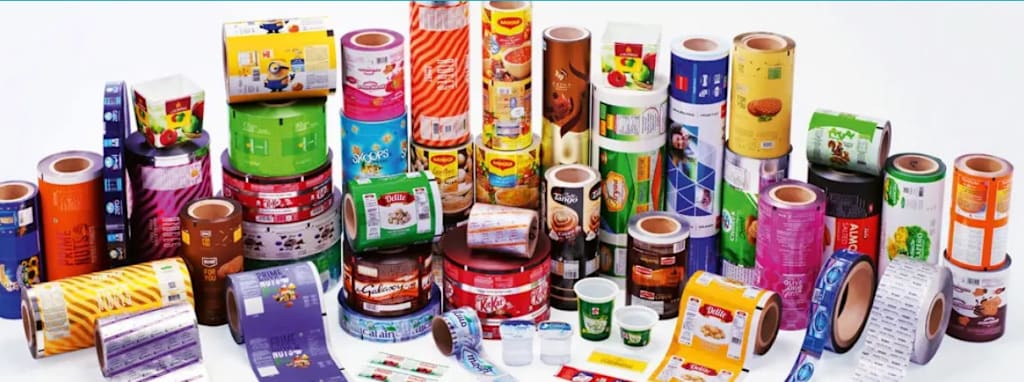
Rising e-commerce activity, food and beverage sector expansion, and growing sustainability mandates under Vision 2030 are driving the Saudi Arabia flexible packaging market, supported by strong demand for lightweight, barrier-protective formats across food, beverage, and healthcare end users. According to IMARC Group’s latest data, The Saudi Arabia flexible packaging market size was valued at USD 1,357.3 Million in 2025. Looking forward, IMARC Group estimates the market to reach USD 1,852.3 Million by 2034, exhibiting a CAGR of 3.52% from 2026-2034.
The Saudi Arabia flexible packaging market is a rapidly expanding sector that encompasses a wide range of lightweight, adaptable materials used to package food, beverages, pharmaceuticals, and consumer goods. Formats include bags and pouches, films, wraps, and laminates made from plastic, paper, and metal. These materials are valued for their ability to extend shelf life, reduce transportation weight, and offer creative branding opportunities. With Saudi Arabia’s food consumption projected to exceed 31.2 million metric tons by 2027 (Alpen Capital) and online retail hitting USD 52.64 billion in 2024, the packaging sector is firmly embedded in the country’s broader economic transformation. The flexible format is particularly well-suited to Saudi conditions, offering strong barrier properties against heat and moisture—factors critical in the Kingdom’s extreme climate.
Saudi Arabia Flexible Packaging Market Growth Drivers:
Booming Food and Beverage Sector
Saudi Arabia’s food and beverage industry, valued at USD 24.29 billion in 2025, is the single largest consumer of flexible packaging. The country ranks among the world’s highest per capita meat consumers, with projected consumption reaching around 2.11 million tons in 2024. More women entering the workforce has accelerated demand for packaged, easy-to-prepare meals. Flexible pouches, films, and wraps are critical to preserving freshness in the Kingdom’s harsh climate. Local manufacturers like Taghleef Industries launched high-barrier food packaging films specifically designed to shield products from moisture, oxygen, and heat, directly reflecting this sector’s growing appetite for performance-driven flexible solutions.
Surge in E-Commerce and Modern Retail
Saudi Arabia’s national online sales reached USD 52.64 billion in 2024, a 25.82% year-on-year jump that has created strong downstream demand for durable, lightweight protective packaging. E-commerce logistics require flexible packaging that can withstand multi-node delivery in desert heat while keeping products intact. The country’s logistics infrastructure, backed by a USD 266 billion spend, shortens lead times and supports SKU proliferation. Retailers like BinDawood have allocated USD 390 million to new delivery hubs, locking in long-term packaging contracts. With 34.5 million online shoppers and 42,900 active online stores, the sustained growth of digital retail directly amplifies demand for bags, pouches, and protective films.
Vision 2030 and Industrial Localization Push
Vision 2030 and the National Industrial Development and Logistics Program (NIDLP) are actively building domestic manufacturing capacity across the packaging value chain. The Ministry of Investment’s Regional Headquarters Program offers 30-year zero-tax rates to attract global packaging converters. Industrial packaging demand has doubled over the past decade, climbing from 260,000 to 650,000 tons, the highest growth among all GCC end-user sectors. Companies like Arabian Plastic Industrial Co. (APICO) responded by opening a 34,000 square meter facility in Al Kharj City in June 2024. These localization incentives are reducing import dependency and shaping Saudi Arabia into a competitive regional packaging hub.
Saudi Arabia Flexible Packaging Market Trends:
- Sustainability and Circular Economy Initiatives
Regulatory pressure under Vision 2030 and single-use plastic restrictions are pushing flexible packaging producers toward recyclable and biodegradable solutions. Saudi Arabia holds 67% of GCC plastic resin production yet recycles only 5–7% of plastics, creating a substantial transition opportunity. In a landmark move, SABIC, Napco National, and FONTE launched the country’s first circular bread packaging in May 2024, using 100% recycled polyethylene from pyrolysis oil. Tetra Pak’s RIYcycle project processes 8,000 tonnes of carton packaging annually, producing 4,000 tonnes of PolyAl granules. With 64% of Saudi consumers expressing environmental concern, brand owners are actively shifting to certified circular materials to meet both regulatory and consumer expectations.
- Smart and Active Packaging Technologies
The integration of IoT sensors, RFID tags, QR codes, and freshness indicators into flexible packaging formats is gaining commercial traction across Saudi Arabia. The Kingdom’s smart packaging market reached USD 252 million in 2024, with Modified Atmosphere Packaging accounting for 44% of applications—critical for extending shelf life in extreme temperatures. Real-time tracking enabled by smart formats reduces food waste by up to 25% in supply chains. Younger, digitally savvy Saudi consumers embrace interactive packaging that provides product authentication, origin traceability, and promotions through a simple scan. Vision 2030’s digitalization mandate and the “Made in Saudi” program are fast-tracking this evolution, making smart flexible packaging a competitive differentiator.
- Premiumization and Advanced Digital Printing
Brands in Saudi Arabia’s competitive FMCG and pharmaceutical markets are leveraging digital printing technology to create vibrant, customized flexible packaging that drives shelf standout and consumer engagement. Al-Shamrani’s April 2024 investment in a BOBST Vision CI flexo press specifically targets upgraded PE-based flexible packaging production quality. Flexible packaging’s compatibility with short print runs and variable data makes it ideal for limited editions and region-specific labeling. Healthcare and pharmaceutical end users increasingly require tamper-evident, regulatory-compliant flexible formats. As brand owners seek lighter, cost-effective packaging without compromising visual appeal, premium flexible formats are steadily winning market share from traditional rigid alternatives across multiple sectors.
Recent News and Developments in Saudi Arabia Flexible Packaging Market
- August 2025: Napco National, through its Dubai-based subsidiary Napco Investment LLC, acquired Arabian Flexible Packaging, a well-established manufacturer known for rotogravure printing and diverse substrate expertise including polypropylene, polyester, nylon, polyethylene, foil, and paper. The acquisition strengthens Napco’s manufacturing footprint and broadens its regional packaging portfolio in alignment with UAE’s In-Country Value localization framework.
- May 2024: SABIC, Napco National, and FONTE collaboratively launched Saudi Arabia’s first fully circular bread packaging, utilizing 100% mass-balanced certified circular polyethylene from SABIC’s TRUCIRCLE program. The packaging uses food-contact qualified polyethylene grades produced from pyrolysis oil, marking a milestone in the Kingdom’s transition toward a circular plastic economy and demonstrating commercially viable closed-loop flexible packaging solutions.
- June 2024: Arabian Plastic Industrial Co. Ltd (APICO) unveiled a new 34,000 square meter manufacturing facility in Al Kharj City, significantly expanding domestic flexible packaging production capacity. The investment reflects growing confidence in Saudi Arabia’s manufacturing ecosystem and aligns with Vision 2030’s goal of increasing the private sector’s contribution to the national economy.
- April 2024: Al-Shamrani acquired a new BOBST Vision CI flexo press, significantly boosting its polyethylene-based flexible packaging production capabilities. This strategic equipment investment highlights the competitive race among Saudi packaging manufacturers to upgrade technology and capture growing demand from food, retail, and e-commerce sectors.
Note: If you require specific details, data, or insights that are not currently included in the scope of this report, we are happy to accommodate your request. As part of our customization service, we will gather and provide the additional information you need, tailored to your specific requirements. Please let us know your exact needs, and we will ensure the report is updated accordingly to meet your expectations.
About the Creator
Shubham Sharma
Market research enthusiast sharing insights on global industries, emerging trends, growth opportunities, and data-driven analysis across diverse markets.
Keep reading
More stories from Shubham Sharma and writers in Futurism and other communities.
Saudi Arabia Structural Steel Market Insights: Urbanization, Real Estate & Future Opportunities
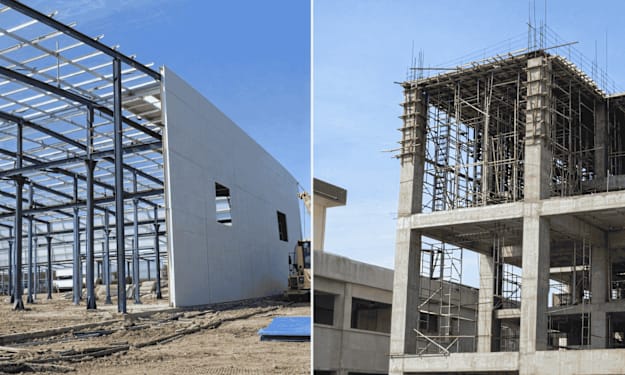
Strong infrastructure investment, rapid urbanization, and the Kingdom’s ambitious economic transformation agenda are fueling robust demand for structural steel across Saudi Arabia. According to IMARC Group’s latest data, the Saudi Arabia structural steel market size reached USD 683.3 Million in 2025. Looking forward, IMARC Group expects the market to reach USD 1,000.8 Million by 2034, exhibiting a CAGR of 4.33% during 2026–2034.
By Shubham Sharma about 8 hours ago in Futurism
How machines can learn from human behaviour
In order to understand where we are and where we are going, we need to understand where we were first. - Susan Fourtane Could a human behaviour simulator be embedded into a robot or online avatar to the point that it’s hard to distinguish between a real person or artificial intelligence? Scientists have been upping the stakes in this “Turing test” for years, to the point that human-mimicking programmes are ready to answer tricky questions, assist people with online shopping or be companions.
By Susan Fourtané 20 days ago in Futurism
Japan Insulin Pumps Market: Size, Trends, and Growth Outlook
Market Overview Insulin pumps are playing an increasingly important role in diabetes management across Japan, offering patients a more precise, flexible, and convenient alternative to traditional insulin injections. These compact, wearable devices deliver insulin continuously, closely mimicking the function of a healthy pancreas and helping maintain stable blood glucose levels.
By Emma Miller7 days ago in Futurism
Kristi Noem is MELTING!!!!!
Former Homeland Secretary/"Ice Barbie" Kristi Noem is melting with scandals, not she is dealing with a cheating affair with one of the aides, killing her puppy, her own supportive husband Byron Noem is being exposed as a crossdresser, talking with fetish's Bimbos and paying them thousands of dollars. Kristi Noem's husband was exposed by the Dailymail this week exposing photos of Byron wearing and flaunting big gigantic balloon faux ta-tas, wearing paded shorts, and pouting his duck lips like it's 2013.
By Gladys W. Muturi4 days ago in The Swamp



Comments
There are no comments for this story
Be the first to respond and start the conversation.