
7 Hardware-Level AI Innovations in Next-Gen AI PC Laptops
Explore 7 hardware-level AI innovations in next-gen AI PC laptops that boost performance, enable smarter processing, and deliver faster, more efficient computing experiences.

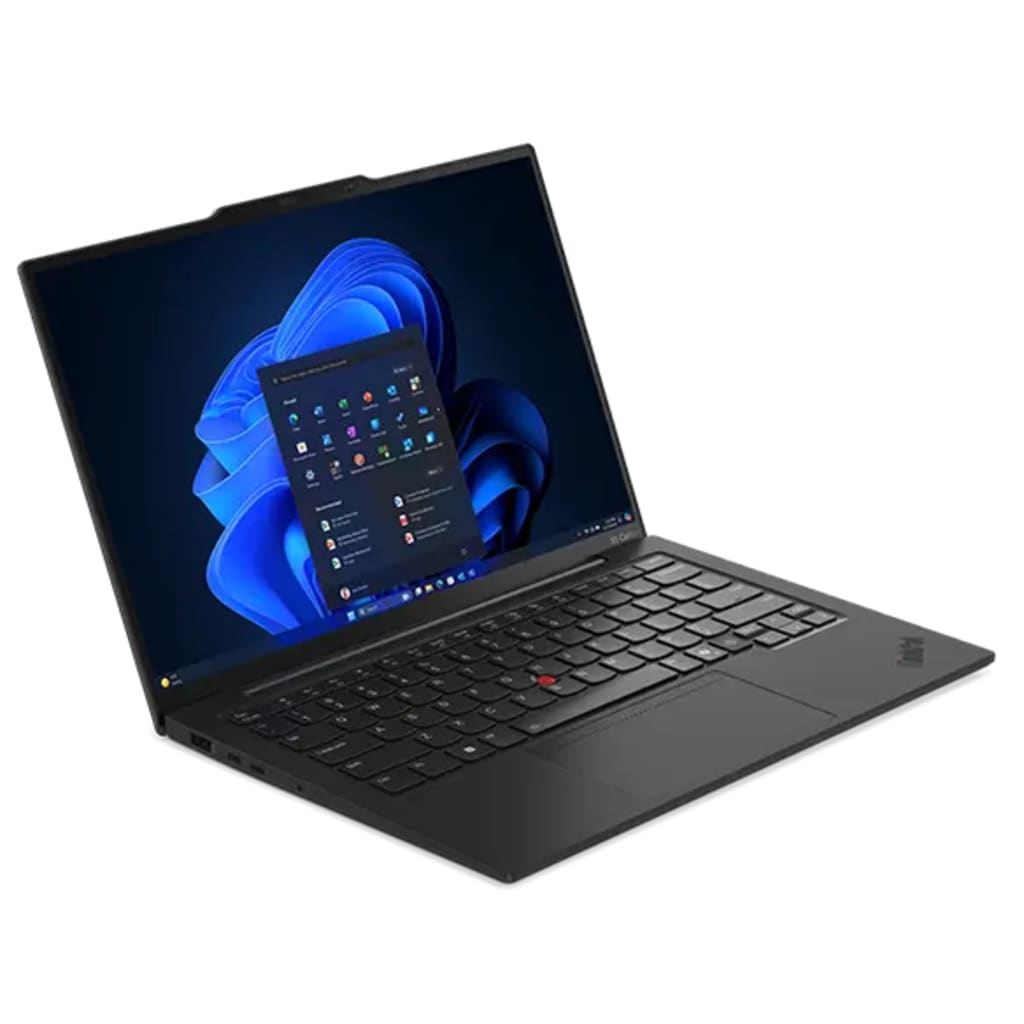
Computers are changing faster than ever before. You might think your current laptop is fast, but the next generation is different. These machines do not just run programs. They actually think and learn with you. We call these devices AI PCs. They feature special hardware built specifically for artificial intelligence. This shift is not just about software updates. It is about a complete redesign of the silicon chips inside your computer. Imagine having a personal assistant that lives in your hardware. It handles heavy tasks without slowing down your screen. This technology makes your daily work much smoother. We are witnessing a massive leap in how humans interact with machines. Let us explore the seven hardware innovations making this possible.
1. The Power of Dedicated Neural Processing Units
The biggest change in new laptops is the Neural Processing Unit or NPU. Standard processors like the CPU and GPU handle general tasks and graphics. However, they often struggle with the constant math required for AI. The NPU is a specialized engine designed only for machine learning. It excels at performing trillions of operations per second with very little power. This means your AI PC laptop can run complex AI tasks locally in real time while maintaining high efficiency, faster performance, and longer battery life.
Deep Learning Accelerators Inside the Chip
The NPU uses deep learning accelerators to speed up tasks. These small components focus on matrix multiplication. This is the core math behind every AI interaction. Because the NPU takes over these tasks, your battery lasts much longer. You get high performance without needing a bulky charger.
2. Advanced Low Power Memory Architectures
AI needs a lot of data quickly. A traditional memory system creates performance limitations because it struggles to handle multiple tasks simultaneously. The latest laptops now operate with LPDDR5x memory modules. The chips deliver extremely high data transfer rates, which enable AI models to operate effectively. They move data at incredible speeds while using minimal voltage. This hardware ensures that your AI assistant responds instantly. You will not see a spinning wheel when you ask for help.
High Bandwidth Memory for Local Language Models
Large language models require vast amounts of memory space. Manufacturers are now soldering memory closer to the processor. This reduces the distance data must travel. It lowers latency and improves overall system snapiness. Your laptop can now run complex AI locally instead of using the cloud.
With around 1.8 billion people worldwide using AI tools and devices, AI computers are becoming an important part of our digital lives.
3. Thermal Systems Driven by Smart Sensors
Powerful AI hardware creates heat in small spaces. Engineers now use vapor chambers and liquid metal thermal paste. These materials pull heat away from the NPU and GPU efficiently. New laptops also feature tiny ultrasonic fans. These fans move air without making much noise. You can work in a quiet library while your laptop processes heavy data.
- Vapor chambers spread heat across a wide surface.
- Smart sensors monitor temperature in real time.
- Internal fins direct airflow to critical hotspots.
4. Integrated AI Privacy Chips and Secure Enclaves
An AI PC laptop includes dedicated security chips. These "Secure Enclaves" isolate your personal data from the rest of the system. Even if a virus attacks your OS, your AI data remains safe. This hardware-level security encrypts your face ID and voice patterns. It ensures that your private conversations never leave the physical device.
- Hardware-based encryption keys protect your identity.
- Biometric sensors connect directly to the secure chip.
- Physical kill switches can disconnect the webcam and mic.
- Safe boot protocols check for tampered hardware at startup.
Once your data is secure, you can focus on the stunning visuals these machines provide.
5. Neural Graphics Engines for Real-Time Upscaling
Graphics cards are getting a massive AI upgrade. New GPUs feature neural graphics engines. These engines use AI to draw frames that do not exist yet. This technology is called frame generation. It makes video games and creative apps look incredibly smooth. You get 4K quality visuals without the heavy hardware requirements of the past. This innovation saves power while delivering a premium visual experience.
Ray Tracing Units with AI Enhancement
Ray tracing makes lighting in videos look realistic. AI hardware now predicts where light should bounce. This reduces the workload on the main graphics cores. It results in lifelike reflections and shadows in real time. Your creative projects will look professional with half the effort.
Superior graphics need a high-quality display to truly shine for the user.
6. Hybrid Display Panels with AI Power Management
The screen is usually the biggest power drain on a laptop. New AI PCs use "Intelligent Display" technology. The hardware detects when you look away from the screen. It dims the panel automatically to save energy. When you look back, it wakes up instantly. Some panels also use AI to adjust colors based on your room lighting.
- Variable refresh rates sync with your eye movements.
- OLED panels turn off individual pixels for true blacks.
- Micro-LED technology provides extreme brightness for outdoor use.
- AI chips upscale low-resolution video to match the screen.
A smart screen is only useful if you have the right ports to connect your world.
7. Next Generation Connectivity with Wi-Fi 7 and Thunderbolt 5
AI often requires downloading large datasets or syncing with servers. The latest laptops now include Wi-Fi 7 technology, which enables extremely high wireless transmission speeds. The system uses wider channels to provide protection against interference from other wireless devices. You also get Thunderbolt 5 ports. These ports allow you to connect multiple 8K monitors or fast external drives. The hardware ensures that your connection never slows down your creativity.
- Multi-link operation allows connecting to two bands at once.
- Thunderbolt 5 offers double the speed of previous versions.
- AI-enhanced antennas find the strongest signal in the room.
- Low-latency modes prioritize video calls over background updates.
Conclusion
The jump to AI PCs is the most significant change in a decade. We are moving away from general computers toward specialized thinking machines. Every component from the NPU to the Wi-Fi chip now works together. They aim to make your life easier and your work faster. You no longer need to wait for the cloud to catch up. These hardware innovations bring the power of the future directly to your desk. Your next laptop will not just be a tool. It will be a partner that understands your needs. Embrace this change and enjoy the incredible speed of next-gen computing.
About the Creator
Arthur Leo
Hii! Arthur Leo is a passionate writer covering technology, fashion, lifestyle, and health, blending insights on AI, style, wellness, and modern living.
Keep reading
More stories from Arthur Leo and writers in Gamers and other communities.
7 Intelligent Automation Skills That Define AI Digital Assistants
AI Digital assistants or virtual assistants are smart software applications/programs that use Artificial Intelligence to help you with your daily tasks. The software functions as a personal assistant that operates through voice and text commands. These tools use natural language processing and machine learning to understand exactly what you need. They can manage your schedule, emails, or even control your smart devices.
By Arthur Leo13 days ago in Gamers
Mashle Academy Review – Magic School RPG on Roblox
There’s something instantly appealing about the idea of a magical academy. Maybe it’s the promise of hidden power, maybe it’s the rivalries, or maybe it’s just the chaos that inevitably follows when you throw a bunch of spellcasters into one place. Mashle Academy on Roblox leans into all of that—and then cranks it up a notch.
By Serhii Biloshytskyi4 days ago in Gamers
Lap Cat
My nose is dripping, and Delia is tracing her fingers through my hair. Her husband is shirtless by the microwave, heating up leftovers from New Year's Eve. In 60 seconds, I'll be shoving mouthfuls of risotto between my quivering lips like a child and picking at semi-stale dinner rolls. Then, I'll pass my plate to one of their three Tabby cats (whom I can never tell apart) and let him/her/them (?) lick it clean.
By Erin Latham Shea6 days ago in Fiction



Comments
There are no comments for this story
Be the first to respond and start the conversation.