
Did America Truly Ban Africans from Its Land?
A Historical Inquiry into Racial Exclusion

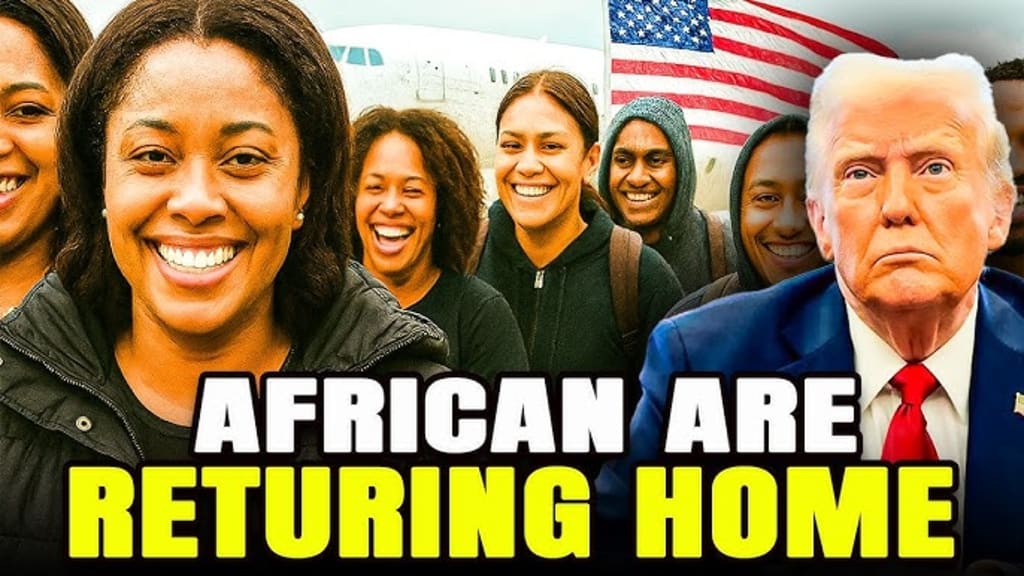
Introduction
The question of whether America truly “banned” Africans from its land is complex and deeply rooted in history. While there was never a single law that outright prohibited all Africans from entering or living in the United States, the country’s past reveals a long period of systemic oppression, exclusion, and racial discrimination against people of African descent. To understand this issue, one must explore the history of slavery, segregation, and immigration policies that shaped the African experience in America.
The Era of Slavery
The story begins with the transatlantic slave trade, one of the darkest chapters in human history. Millions of Africans were forcibly taken from their homelands and transported to the Americas, including what would become the United States. Instead of being “banned,” Africans were brought in large numbers—but not as free individuals. They were enslaved, stripped of their rights, and treated as property.
This system of slavery was legally protected and widely practiced until the mid-19th century. It only came to an end after the American Civil War, which led to the abolition of slavery in 1865. However, freedom did not immediately bring equality.
Segregation and Racial Barriers
After slavery was abolished, African Americans continued to face severe discrimination through laws known as “Jim Crow.” These laws enforced racial segregation in public spaces, schools, transportation, and housing. Although African Americans were no longer enslaved, they were still excluded from many aspects of society.
During this time, African Americans were not banned from the country, but they were effectively restricted within it—socially, economically, and politically. Their rights were limited, and opportunities were scarce, reinforcing a system of inequality.
Immigration Policies and African Exclusion
When discussing Africans specifically (rather than African Americans), immigration policies also played a role. In the early 20th century, U.S. immigration laws favored European immigrants and imposed strict quotas on people from other regions, including Africa. While these laws did not completely ban Africans, they significantly limited their ability to migrate to the United States.
It was not until the Immigration and Nationality Act of 1965 that many of these discriminatory policies were removed, allowing for greater diversity in immigration.
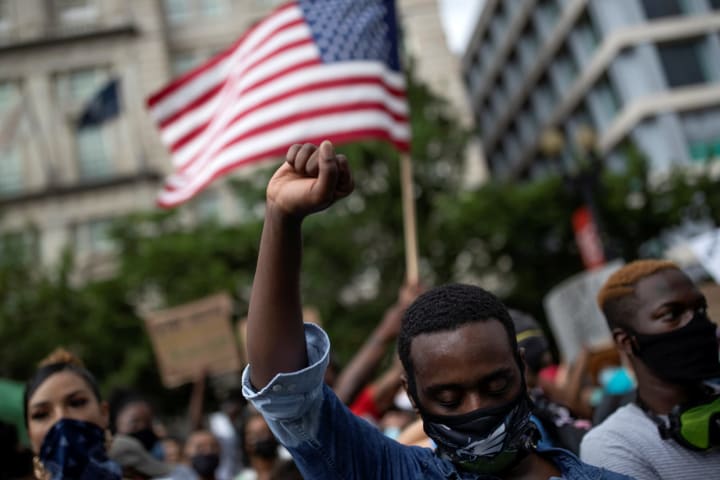
The Civil Rights Movement
The fight against racial injustice reached a turning point during the Civil Rights Movement of the 1950s and 1960s. Leaders like Martin Luther King Jr. advocated for equality, justice, and an end to segregation. Their efforts led to major legal changes, including the Civil Rights Act of 1964 and the Voting Rights Act of 1965.
These reforms helped dismantle institutional racism and opened the door for greater inclusion. However, the legacy of discrimination did not disappear overnight.
Modern-Day Realities
Today, Africans and African Americans live, work, and thrive across the United States. There is no law banning Africans from entering or residing in the country. In fact, African immigrants are an important and growing part of American society, contributing to its culture, economy, and diversity.
However, discussions about systemic racism, inequality, and social justice continue. Issues such as economic disparity, unequal access to education, and concerns about fairness in the criminal justice system remain part of the national conversation.
Conclusion
So, did America truly ban Africans from its land? The answer is no—not in a literal or legal sense. However, history shows that Africans and their descendants faced extreme oppression, exclusion, and discrimination for centuries. From slavery to segregation and restrictive immigration laws, these barriers shaped their experience in profound ways.
Understanding this history is essential for recognizing the progress that has been made and the challenges that still remain. America’s story is not just one of exclusion, but also of resilience, struggle, and the ongoing pursuit of equality for all.
About the Creator
shaoor afridi
“I am a passionate writer dedicated to sharing informative, engaging, and well-researched articles. My goal is to provide valuable content that educates, inspires, and adds real value to readers.”
Keep reading
More stories from shaoor afridi and writers in Geeks and other communities.
The Epstein Files: From Banking Settlements to New Revelations
Introduction The case of Jeffrey Epstein continues to unfold years after his death in 2019. What was once seen as a closed chapter has evolved into a complex web of legal battles, financial investigations, and public scrutiny. Recently released documents—often referred to as the “Epstein Files”—have reignited global interest, raising fresh questions about accountability, powerful connections, and the pursuit of justice.
By shaoor afridia day ago in Geeks
Book Review: "Queen Victoria" by Lucy Worsley (Pt. 4)
It is clear we are getting deep-dives into several important days in the royal calendar as opposed to a blanket biography of a monarch. Lucy Worsley paints an impressive picture of the royal household at different times, leading us into different rooms and showcasing the different dynamics that came with what happened in them. For instance, in Chapter 13, we are flashed forwards almost a decade from the birth of Princess Vicky, the Princess Royal and we are now at her tenth Christmas.
By Annie Kapur2 days ago in Geeks


Comments
There are no comments for this story
Be the first to respond and start the conversation.