
Do Backlinks Still Matter for SEO Rankings Today?
Still Matters in 2026?
Search engine optimization (SEO) has never been a static field. It evolves constantly, shaped by algorithm updates, changing user behavior, and new technologies. Because of this, many website owners and marketers often find themselves asking the same question: do backlinks still matter for rankings today?
The honest answer is yes—they absolutely do. But their role is no longer as simple as it once was. Backlinks are still a key signal, but the way search engines interpret them has become far more nuanced. It’s no longer about how many links you can get; it’s about what those links represent.
Understanding Backlinks in Today’s Context
At their core, backlinks are still just links from one website to another. But in practice, they act more like endorsements. When a website links to your content, it’s signaling that your page has value, relevance, or credibility worth referencing.
Years ago, this system was easy to manipulate. Websites could build thousands of low-quality links and quickly rank higher in search results. That approach worked—until it didn’t. Search engines caught on, and major algorithm updates began targeting spammy and manipulative link-building tactics.
Today, backlinks are less about “votes” and more about “trusted recommendations.” Search engines are smarter, and they try to understand why a link exists, not just that it exists.
How Search Engines Evaluate Backlinks Now
Modern search engines look at several layers when analyzing backlinks. The number of links still matters to some extent, but it’s far from the main factor. Instead, the focus has shifted to:
Relevance: Does the linking website relate to your niche or topic?
Authority: Is the site linking to you considered trustworthy and established?
Context: Is the link naturally placed within meaningful content, or does it feel forced?
Diversity: Are your backlinks coming from a variety of sources?
This shift means that one strong, relevant backlink can often outperform dozens of weak ones. It also means that random link-building without strategy is unlikely to deliver real results.
The Evolution of Link Building
If you look back at early SEO strategies, link building was largely a numbers game. Directory submissions, blog comments, forum links, and bulk link packages were common practices.
Over time, these tactics lost effectiveness—and in many cases, started doing more harm than good. Search engines introduced penalties for unnatural link patterns, forcing marketers to rethink their approach.
Today, link building has become more aligned with broader marketing efforts. It often overlaps with:
Content marketing
Digital PR
Outreach and partnerships
Brand building
Instead of “building links,” many successful SEO strategies focus on “earning links.”
Do Backlinks Still Impact Rankings?
Despite all these changes, backlinks remain one of the strongest ranking signals. They help search engines in several important ways:
Discover new pages
Understand which content is considered valuable
Evaluate authority within a specific topic
However, backlinks are now part of a bigger picture. They don’t work in isolation. A page with strong backlinks but poor content or user experience is unlikely to perform well long-term.
Authority and Trust Matter More Than Ever
One of the biggest shifts in SEO is the emphasis on trust. Not all backlinks carry the same weight, and search engines are increasingly good at distinguishing between meaningful links and manipulative ones.
For example, a backlink from a well-known, relevant website in your industry can significantly boost your credibility. On the other hand, links from unrelated or low-quality sites may have little impact—or even negative effects.
This is why many modern SEO strategies prioritize building relationships and creating content that naturally attracts attention.
Where Do PBN Backlinks Fit Today?
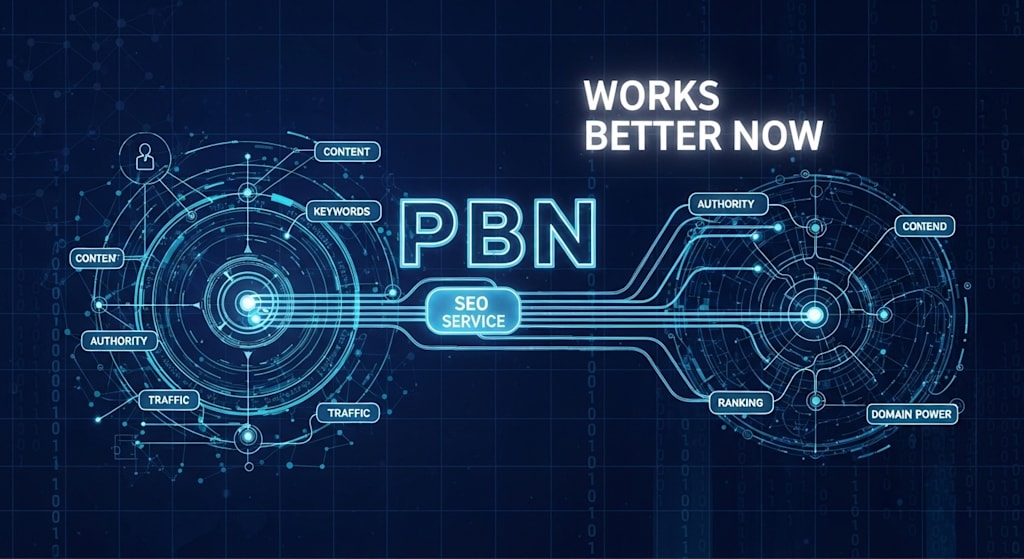
The idea of using private blog networks (PBNs) still exists, and many marketers continue to explore or use them. The appeal is clear: control, speed, and the ability to generate backlinks on demand.
However, the risks are also very real. Search engines have become much better at detecting patterns associated with PBNs. If a network is identified, it can lead to penalties, loss of rankings, or even deindexing of your website.
That doesn’t mean every controlled link strategy fails, but it does mean the margin for error is much smaller than before. What worked easily a few years ago now requires much more caution—and even then, it’s not guaranteed to be sustainable.
Safe vs. Risky Backlink Strategies
In simple terms, backlink strategies today fall into two categories: sustainable and risky.
Sustainable approaches include:
Creating genuinely useful and shareable content
Building relationships with relevant websites
Guest posting on quality platforms
Earning mentions through PR or industry visibility
Risky approaches include:
Buying large volumes of low-quality links
Using automated link-building tools
Participating in obvious link schemes
Relying heavily on manipulative networks
The difference comes down to intent. If the primary goal is to manipulate rankings quickly, the risk increases. If the focus is on building authority and value, the results tend to last longer.
The Importance of a Natural Link Profile
Search engines don’t just look at individual backlinks—they analyze your entire link profile. A healthy backlink profile usually includes:
Links from different types of websites
A mix of anchor text (not overly optimized)
Gradual growth over time
Contextually relevant placements
If your backlink profile looks artificial—such as sudden spikes in links or repetitive anchor text—it can raise red flags.
Content and Backlinks Go Hand in Hand
One thing that hasn’t changed is the relationship between content and backlinks. High-quality content remains one of the most reliable ways to earn links naturally.
When your content is helpful, insightful, or unique, other websites are more likely to reference it. This could be through blog posts, guides, research, or even social sharing.
In many ways, backlinks are a byproduct of good content. Instead of chasing links directly, focusing on creating value often leads to better long-term results.
Are Backlinks Enough on Their Own?
Backlinks are important, but they are only one piece of the SEO puzzle. A well-rounded strategy also needs to consider:
On-page optimization
Site speed and performance
Mobile usability
User experience
Content quality and intent
Even with strong backlinks, a poorly optimized website will struggle to compete. Search engines aim to deliver the best overall experience, not just the most linked page.
Looking Ahead: The Future of Backlinks
Backlinks are unlikely to disappear anytime soon. However, their role will continue to evolve. Search engines are becoming better at understanding context, user intent, and content quality.
In the future, we can expect:
Greater emphasis on link relevance and authenticity
Increased detection of manipulative practices
Stronger integration with brand signals and user engagement
This means shortcuts will continue to fade, while genuine authority becomes more valuable.
Should You Buy PBN Backlinks Today?
This ultimately comes down to your goals and risk tolerance. Buying pbn backlink service can sometimes produce short-term gains, but it also carries long-term risks—especially if done carelessly.
If you’re building a brand or planning for sustainable growth, focusing on ethical and organic strategies is usually the safer path. It may take more time, but it builds a stronger foundation.
Final Thoughts
Backlinks still play a major role in SEO, but the rules have changed. It’s no longer about quantity—it’s about quality, relevance, and trust.
The most successful websites today don’t just “build links.” They build authority, relationships, and content that people genuinely want to reference. And in the long run, that approach tends to outperform everything else.
About the Creator
Keep reading
More stories from Night Mare and writers in Geeks and other communities.
Leading the Way as a Crypto Liquidity Provider
1.1 The Rise of Cryptocurrencies and Crypto Exchanges | The emergence of cryptocurrencies has paved the way for the development of crypto exchanges, where digital assets can be bought, sold, and traded. As the crypto market continues to grow exponentially, the need for liquidity providers has become increasingly important. In this article, we will explore how B2Broker is leading the way as a crypto liquidity provider and the significance of liquidity for crypto exchanges.
By Night Mare3 years ago in Trader



Comments
There are no comments for this story
Be the first to respond and start the conversation.