
The Source Code of Animanga: Ranking the Top 10 Anime Arcs by Narrative Architecture
A Software Engineer's deep dive into the structural integrity, scalability, and system design of anime's greatest sagas.

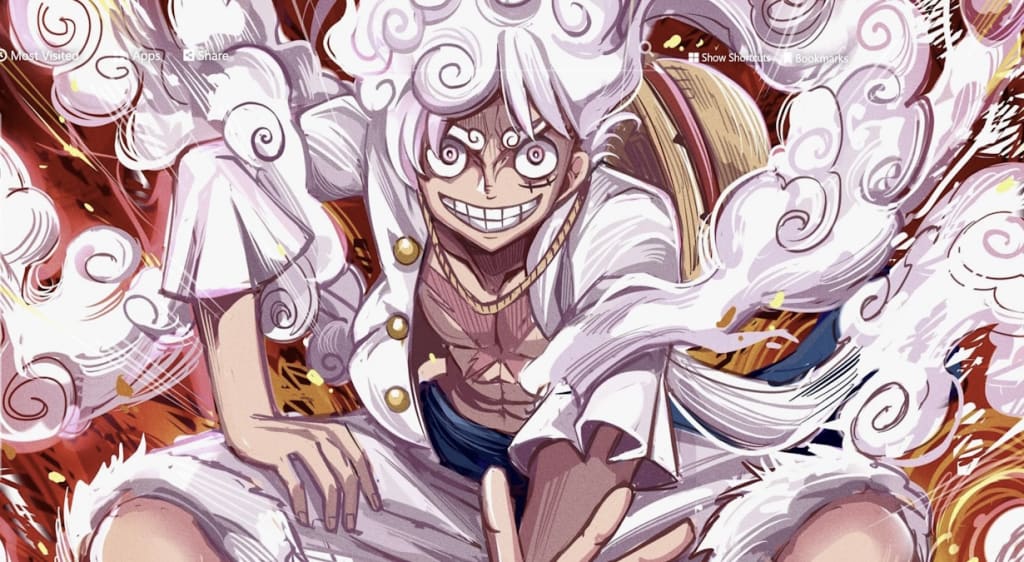
In the world of software engineering, we talk about "clean code," "scalability," and "system architecture." But as a student of AI and development, I’ve realized that the greatest mangakas are essentially master architects. They don't just draw; they build massive, interlocking systems of lore and logic that have to run without "crashing" for decades.
Below is my ranking of the top 10 arcs in anime history, evaluated through an Architect’s Lens: how well the story scales, how efficient the pacing is, and how the "User Experience" (the emotional payoff) hits the end-user.
Note: While the "Big Three" defined the Shonen landscape, I’ve included Seinen masterpieces like Berserk because, from a system-design perspective, their narrative architecture is too significant to ignore.
10. The Chunin Exams (Naruto)
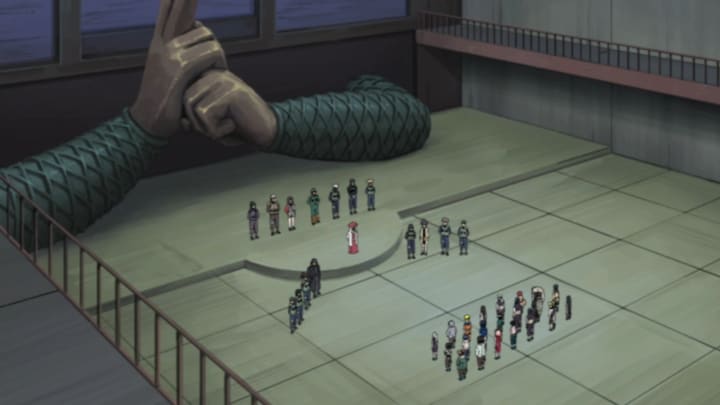
The Logic: System Stress Test. This arc is a masterclass in introducing complex sub-routines (characters) simultaneously. It established the world's hierarchy perfectly without breaking the narrative flow. It remains the gold standard for tournament "code."
9. Soul Society (Bleach)
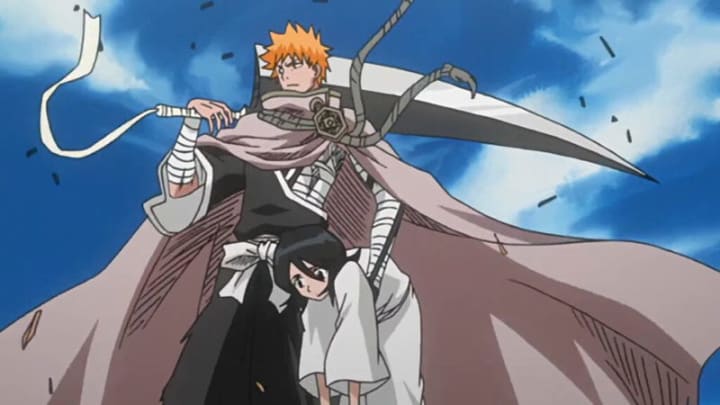
The Logic: Efficient Algorithm. The "Rescue Arc" is a classic story structure, but Tite Kubo executed it with peak visual efficiency. The architectural design of the Gotei 13 remains one of the most structurally sound "villain organizations" in history.
8. The Shibuya Incident (Jujutsu Kaisen)
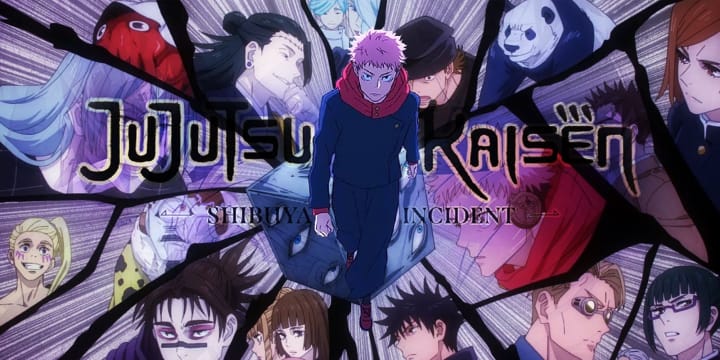
The Logic: Catastrophic System Failure. This arc represents what happens when a storyteller decides to delete the "safety protocols" of a series. The sheer speed of the plot and the way it deconstructs the world’s status quo is a brutal example of high-stakes narrative execution.
7. Return to Shiganshina (Attack on Titan)
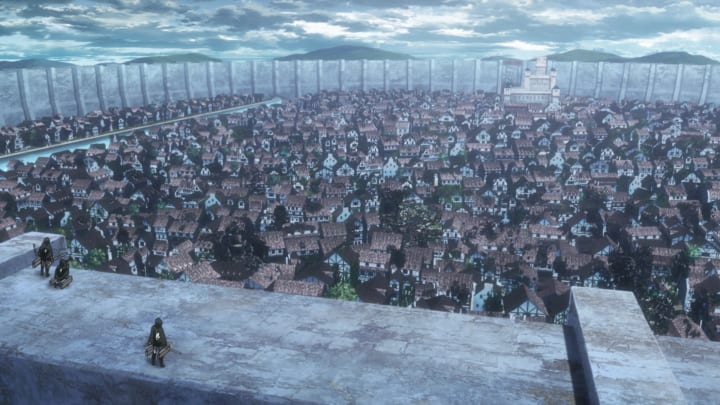
The Logic: Data Retrieval & Resolution. After years of "encrypted" mysteries, this arc finally provided the root access to the truth of the world. The structural buildup to the basement reveal is one of the most satisfying "payoffs" ever programmed into a story.
6. The Sisters Arc (A Certain Scientific Railgun)
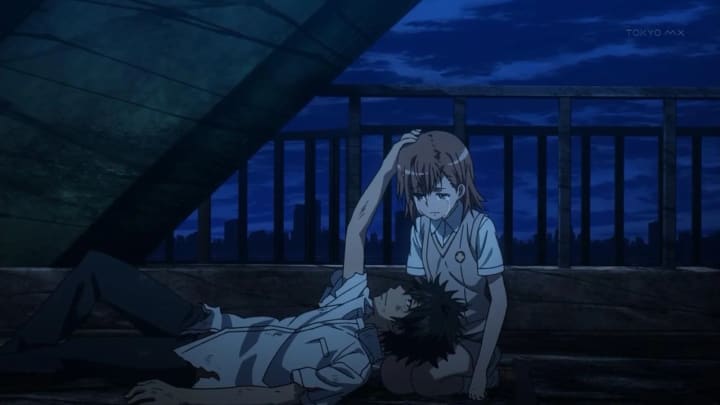
The Logic: Parallel Processing. This arc is unique because it shows the same "event" from a different perspective than its parent series (A Certain Magical Index). It focuses on the ethical "bugs" in a system that views humans as expendable code for progress.
5. The Golden Age (Berserk)
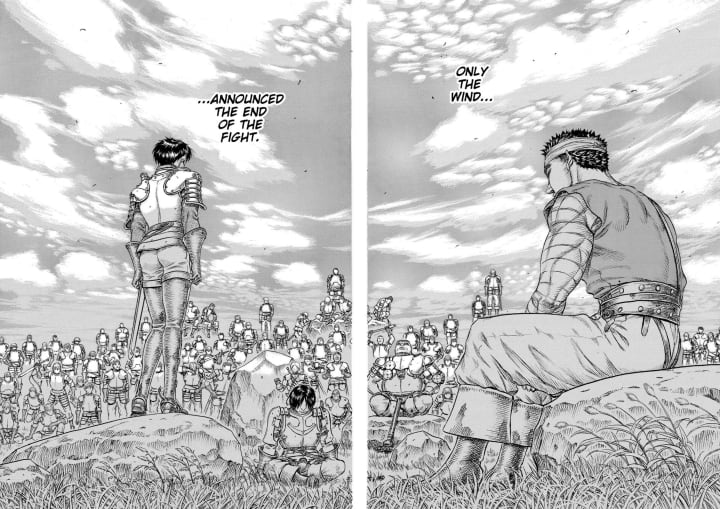
The Logic: Structural Tragedy. The "User Journey" here is designed to make you love the world before it systematically deletes everything you care about. It is the gold standard for dark fantasy architecture—the "perfect build" that leads to a devastating crash.
4. The Chimera Ant Arc (Hunter x Hunter)
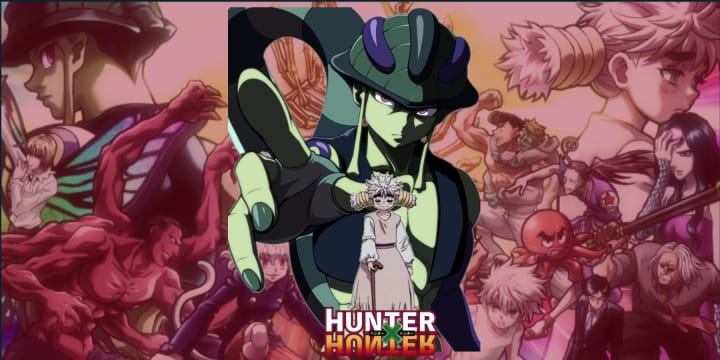
The Logic: Dynamic Runtime Adaptation. This arc is an outlier because it rewrote its own rules mid-way through. It started as an adventure and evolved into a psychological thriller. The "data density" and character evolution of Meruem are unparalleled in the medium.
3. Marineford (One Piece)
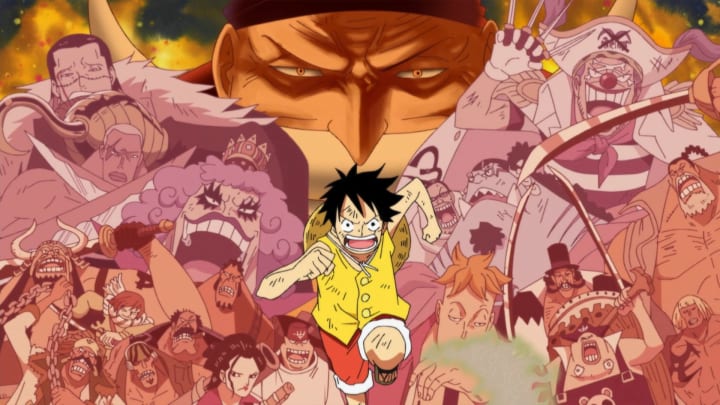
The Logic: Server Overflow. Oda brought every major player in the world to one location. From a structural standpoint, managing this many moving parts without losing the central focus on Luffy is a legendary feat of writing. It was the moment the world of One Piece proved it could handle "Maximum Load."
2. Enies Lobby (One Piece)
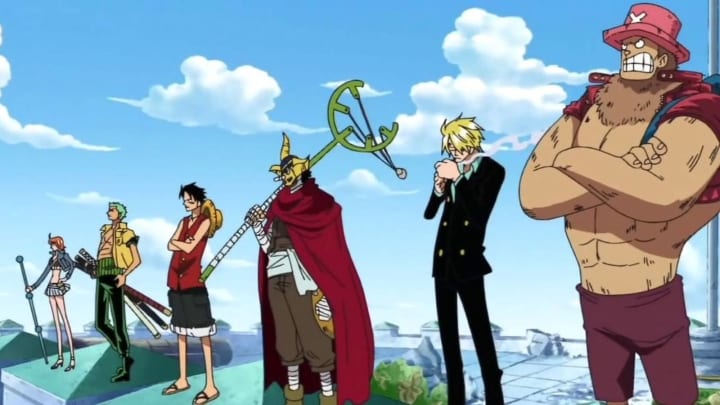
The Logic: High-Fidelity Emotional ROI. This is "Multi-Threaded Storytelling" at its finest. You have the crew falling apart, a government conspiracy, and a rescue mission all running at once. The emotional "Return on Investment" here—centered on Nico Robin—is the highest in the series.
1. The Egghead Arc (One Piece)
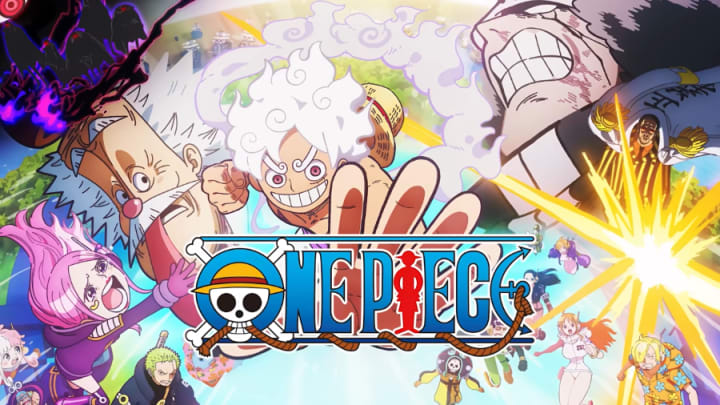
The Logic: The Final Build. After 25 years of foreshadowing, we are finally seeing the "Nika" code execute. As we move into the Final Saga, the "Root Access" to the world’s secrets is finally being granted to the readers. It is the most ambitious, high-fidelity narrative architecture ever attempted.
Final Thoughts:
As a developer, I respect a story that doesn't have "logic bugs"—those plot holes that ruin immersion. Whether it's the scalability of Oda's world-building or the philosophical depth of Togashi's arcs, these aren't just cartoons; they are perfectly engineered legacies.
About the Creator
Abhijeet Singh
AI Software Engineering student & digital creator. 💻 Exploring the intersection of code, high-fidelity game design, and Shonen world-building. From One Piece theories to technical AI insights—I’m here to decode the narrative.
Keep reading
More stories from Abhijeet Singh and writers in Geeks and other communities.
Beyond Gear 5: Why Elbaf is the "Haki and Tech" Renaissance for the Straw Hats
The "Mid-Tier" No More The Egghead Island incident was a masterclass in chaos, but it left fans asking one question: Can the rest of the Straw Hats actually survive a final war against the Gorosei and the Holy Knights?
By Abhijeet Singh6 days ago in Geeks



Comments
There are no comments for this story
Be the first to respond and start the conversation.