
Why Did America Drop Atomic Bombs on Japan in 1945?
Ending the war or beginning a new era of destruction?

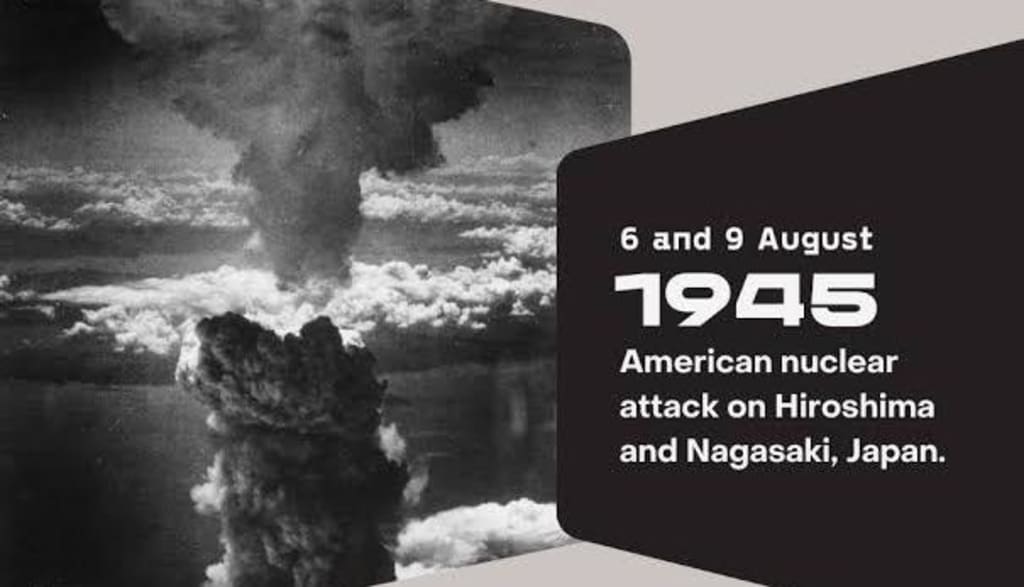
During World War II, the United States dropped atomic bombs on Hiroshima and Nagasaki in August 1945 to force Japan’s surrender and quickly end the war. American leaders believed this would avoid a long and deadly invasion of Japan, saving thousands of soldiers’ lives. It also demonstrated military power, especially to the Soviet Union. However, the decision remains controversial due to the massive civilian casualties and lasting destruction caused by the bombs.
The use of atomic bombs by the United States against Japan in 1945 remains one of the most debated and significant decisions in modern history. In the final days of World War II, the U.S. dropped two atomic bombs on the Japanese cities of Hiroshima (August 6, 1945) and Nagasaki (August 9, 1945). These bombings led to Japan’s surrender and the end of the war, but they also caused immense human suffering and long-term consequences.
One of the primary reasons the United States decided to use atomic weapons was to bring a quick end to the war. By mid-1945, Japan was already weakened, but it had not surrendered. American leaders feared that a full-scale invasion of Japan would result in massive casualties on both sides. Estimates suggested that hundreds of thousands of American soldiers and millions of Japanese civilians could die if the war continued. The atomic bomb was seen as a way to force Japan’s immediate surrender without launching a costly invasion.
Another key factor was Japan’s strong military resistance. Even as defeat became inevitable, Japanese forces continued to fight fiercely. Battles such as Okinawa demonstrated that Japan would not easily surrender. The U.S. government believed that a dramatic and overwhelming show of force was necessary to break Japan’s will. The atomic bomb, a weapon of unprecedented power, was expected to shock Japan into surrendering quickly.
The development of the atomic bomb itself also played a role. The weapon was created under the secret Manhattan Project, which had cost billions of dollars and involved years of scientific effort. Once the bomb was successfully tested, American leaders felt pressure to use it to justify the investment and demonstrate its power. There was also a belief that using the bomb could prevent future wars by showing the devastating consequences of nuclear weapons.
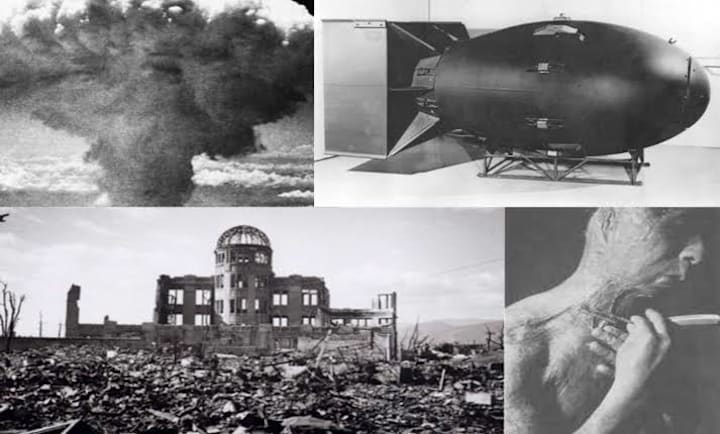
Geopolitical considerations influenced the decision as well. The United States was aware that the Soviet Union was preparing to enter the war against Japan. By using the atomic bomb and ending the war quickly, the U.S. aimed to limit Soviet influence in Asia. Demonstrating military superiority through atomic power also sent a strong message to other nations, particularly as tensions that would later lead to the Cold War were beginning to emerge.
However, the decision to drop the atomic bombs has been widely criticized. Many historians argue that Japan was already close to surrender and that the bombings were unnecessary. Others believe that alternative options, such as demonstrating the bomb’s power on an uninhabited area or continuing conventional warfare, could have avoided the massive loss of civilian life. The bombings caused the deaths of over 200,000 people, many of whom were civilians, and left survivors with long-term health effects due to radiation.
Supporters of the decision argue that, despite the tragic loss of life, the atomic bombings ultimately saved more lives than they took by preventing a prolonged war. Critics, on the other hand, view the attacks as morally unjustifiable and a turning point that introduced nuclear weapons into global conflict.
In conclusion, the United States dropped atomic bombs on Japan in 1945 to quickly end World War II, avoid a costly invasion, and assert geopolitical power. While the bombings achieved their immediate goal of forcing Japan’s surrender, they also opened a new and dangerous chapter in human history. The debate over whether the decision was justified continues to this day, reminding us of the profound ethical and human consequences of war.
About the Creator
shaoor afridi
“I am a passionate writer dedicated to sharing informative, engaging, and well-researched articles. My goal is to provide valuable content that educates, inspires, and adds real value to readers.”
Reader insights
Outstanding
Excellent work. Looking forward to reading more!
Top insight
On-point and relevant
Writing reflected the title & theme
Keep reading
More stories from shaoor afridi and writers in History and other communities.
Which War Caused More Destruction: World War I or World War II?
The two largest conflicts in modern history are World War I (1914–1918) and World War II (1939–1945). Both wars changed the course of human history and caused enormous destruction across many countries. Millions of soldiers and civilians lost their lives, cities were destroyed, and economies collapsed. However, historians generally agree that the Second World War caused far greater damage and loss of life than the First World War. By examining the number of deaths, the scale of destruction, and the impact on civilians, it becomes clear why World War II is considered the deadliest conflict in history.
By shaoor afridi26 days ago in History
The Crusades
On July 15, 1099, after five weeks of siege, Christian Crusaders breached the walls of Jerusalem and embarked on a massacre so extreme that eyewitnesses reported riding horses through streets where blood reached the stirrups, slaughtering every Muslim and Jewish resident they could find regardless of age or gender, and one chronicler recorded that the killers then washed the blood from their hands and walked barefoot to the Church of the Holy Sepulchre to pray and give thanks to God for their victory, seeing no contradiction between worship and genocide.
By The Curious Writer3 days ago in History


Comments
There are no comments for this story
Be the first to respond and start the conversation.