
Rust and Retribution: Trucker Drives Straight Into the Heart of Revenge Horror
Director Errol Sack crafts a tense, atmospheric thriller where grief fuels a relentless hunt for justice.

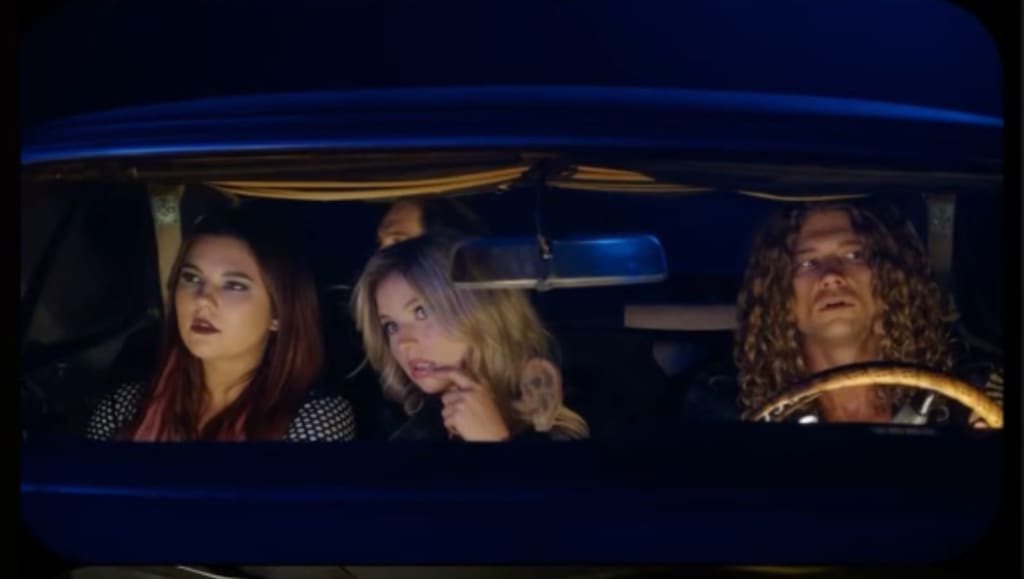
The new revenge thriller Trucker barrels onto streaming platforms with the rumbling engine of classic exploitation cinema and the emotional weight of a tragedy-driven character study. Directed by Errol Sack and written by Steven Shaffer, this gritty genre throwback delivers exactly what fans of old-school horror crave: relentless tension, brutal action, and a dark moral dilemma at its core. With its 1980s setting, practical effects, and stripped-down storytelling, the film feels like a lost VHS-era cult movie that has finally resurfaced for a new generation.
Set in 1985, the story follows a long-haul truck driver whose life is destroyed in a horrific instant. After a group of reckless teenagers cause a devastating crash that kills his family, the trucker himself is pulled from the burning wreckage and left for dead. Miraculously surviving, he is rescued by a mysterious old man who lives in a sprawling junkyard filled with rusting trucks and forgotten machines. As the grieving father recovers, his anguish transforms into a singular obsession: tracking down the people responsible and making them pay.

The premise is simple, but the film’s emotional foundation gives it surprising depth. What begins as a straightforward revenge narrative gradually becomes something more complicated. As the trucker hunts the teens responsible for the crash, viewers are pushed to confront uncomfortable questions about justice, grief, and how far someone can go before becoming the very thing they despise. Rather than presenting a cartoonish slasher villain, the film grounds its horror in pain and trauma, which makes the violence feel disturbingly real.
One of the film’s most effective creative choices is its period setting. By placing the story in the mid-1980s, the filmmakers remove the conveniences of modern technology—no cell phones, no GPS, and no easy escape routes. The result is a more claustrophobic and suspenseful atmosphere. Characters must rely on instinct and physical endurance rather than digital shortcuts, which heightens the sense of danger throughout the film.
Visually, Trucker makes excellent use of its primary location: a haunting junkyard filled with skeletal truck frames and twisted metal. The setting functions almost like a character itself, symbolizing both the trucker’s shattered life and the industrial decay surrounding him. The rust-streaked machinery and dimly lit corners create a gritty aesthetic that recalls the grindhouse cinema of decades past. It’s the kind of tactile, lived-in environment that modern horror sometimes lacks.
The film also stands out for its commitment to practical effects and physical stunt work. Rather than relying heavily on digital trickery, Trucker embraces the messy, visceral style that defined many classic genre films. The crashes, chases, and confrontations feel raw and immediate, giving the action sequences a pulse-pounding authenticity.
Performance-wise, the cast brings a welcome level of intensity to the story. Katherine Gibson delivers a strong presence that anchors the film’s emotional stakes, while Dwayne Hilton Jr. is particularly effective as Dan, one of the reckless teens whose actions set the tragedy in motion. Hilton plays the role with just the right level of arrogance and menace, making him a character audiences love to hate. The ensemble cast as a whole commits fully to the film’s grim tone, helping the story feel grounded even as it plunges into increasingly violent territory.
Director Sack clearly draws inspiration from classic horror influences, channeling the suspense and dread of earlier genre staples while still keeping the pacing tight and contemporary. The film’s brisk runtime (about 85 minutes) works in its favor, ensuring the narrative never drifts and the tension never lets up.
Ultimately, Trucker succeeds because it understands the power of simplicity. It doesn’t try to reinvent the revenge thriller; instead, it embraces the genre’s core elements and executes them with confidence and style. The result is a gripping, adrenaline-fueled ride that blends emotional drama with slasher-style brutality.
For horror fans who miss the gritty energy of vintage genre filmmaking, Trucker is a welcome throwback. With its haunting junkyard setting, relentless pace, and morally complex revenge story, the film proves that sometimes the most effective horror comes not from supernatural monsters, but from the darkness that grief can awaken in an ordinary person.
About the Creator
Keep reading
More stories from Ben Nelson and writers in Horror and other communities.
A Fearless Triumph of Punk-Horror Imagination
With Rufus, writer-director Mars Roberge doesn’t just enter the horror genre—he detonates it from the inside out. Premiering at six film festivals and already boasting wins for Best Horror Film (L.A. IFS Film Festival, L.A. Punk Film Festival) and Best Supernatural Feature (New York Science Fiction and Horror Film Festival), Rufus arrives this week as one of the most daring, gleefully anarchic horror films of the year. It’s wildly imaginative, proudly weird, and unmistakably Roberge: a filmmaker who has always “embraced the bizarre” and refuses to play by anyone’s rules but his own.
By Ben Nelson4 months ago in Horror
My First Time Skiing and I Got Lost, Alone, in the French Alps
Looking back, I can trace some of my life’s biggest adventures to a simple action from my sister. She’d introduced me to Tommy (a very long time ago), a colleague of hers, who had overshared his penchant for Italian-looking women, and I ticked that box.
By Chantal Christie Weissabout 3 hours ago in Humans



Comments
There are no comments for this story
Be the first to respond and start the conversation.