
When Is the Best Time to See Whales in Costa Rica?
Best Time to See Whales in Costa Rica

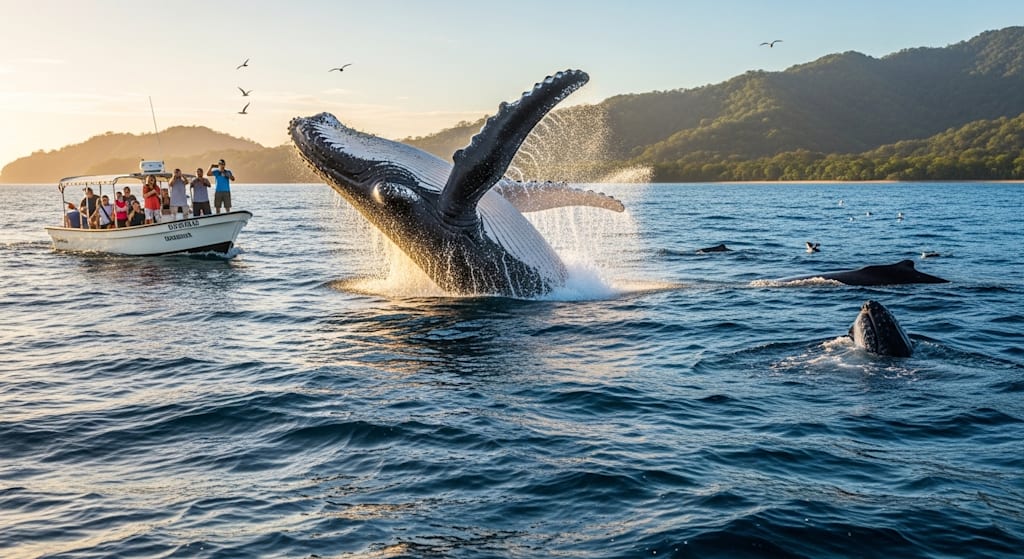
The first time you see a whale rise slowly from the ocean and then disappear beneath the waves, you realize that some travel moments stay with you forever.
Costa Rica is one of those rare places where nature feels close, powerful, and personal. If you are dreaming of seeing whales in the wild, timing your visit right can make all the difference. I have learned that understanding seasons, locations, and weather helps you turn this dream into a truly unforgettable experience.
Understanding whale migration in Costa Rica
One of the most exciting things about Costa Rica is that you actually get two whale watching seasons each year. This happens because whales migrate from both the northern and southern hemispheres.
Humpback whales travel long distances to give birth and raise their calves in warm waters. The calm and protected coastline of Costa Rica makes it a perfect nursery.
This means you do not need to worry about visiting at the wrong time. Instead, you just need to know when each migration occurs.
The best months to see whales
The northern hemisphere whales typically visit from December through April. This season is popular because it matches the dry season in many parts of the country.
The southern hemisphere whales arrive from July through November. Many travelers say this is the best time because whale numbers are often higher.
If you want the highest chance of sightings, the peak months are August and September. During this period, both mothers and calves are often visible.
Why timing matters for your experience
When whales are raising their babies, they tend to stay closer to the coast. This makes tours shorter, smoother, and more family friendly.
Top locations for whale watching
Some areas offer better viewing opportunities because of their geography and marine ecosystems.
Marino Ballena National Park is one of the most famous places. It is named after the whale tail shaped sandbar that becomes visible at low tide.
The Osa Peninsula is another incredible destination. Its remote and protected waters attract marine life throughout the year.
These locations provide calm seas, expert guides, and strong conservation efforts that protect wildlife.
Smaller towns offer unique experiences
Less crowded coastal villages can give you a more personal and peaceful whale watching adventure.
Planning your trip around weather and crowds
Weather plays a big role in your overall experience. The dry season offers sunshine and calm seas, which are perfect for photography and comfort.
However, the green season has fewer crowds, lower prices, and lush landscapes. I personally enjoy this time because it feels more authentic and relaxed.
If you want the perfect balance, try visiting during the shoulder months like late July or early December.
For a complete seasonal guide, you can explore this helpful resource on the best time to see whales in Costa Rica to match your travel goals with the right season.
What to expect during a whale watching tour
Most tours last between two and four hours. Boats usually follow strict guidelines to avoid disturbing the whales.
You may see mothers teaching calves to swim, tails splashing, or even full breaches. Every trip feels different, which makes the experience even more special.
As marine biologist Sylvia Earle once said, “No water, no life. No blue, no green.” This reminds us that protecting oceans ensures future generations can enjoy these moments.
Other wildlife you might see
Dolphins, sea turtles, and tropical birds often appear during whale tours. This adds even more excitement to your adventure.
How to prepare for the best experience
Comfort and preparation help you enjoy your tour fully.
Wear sunscreen, a hat, and light clothing. Bring a camera or phone with zoom capabilities. Motion sickness medication can also be helpful if you are sensitive to waves.
Arrive early and choose reputable tour operators that focus on safety and conservation.
According to the National Oceanic and Atmospheric Administration, responsible wildlife viewing supports conservation and protects marine ecosystems. You can learn more through <a href="https://www.fisheries.noaa.gov/topic/marine-life-viewing-guidelines">marine wildlife viewing guidelines</a>.
Why whale watching in Costa Rica is so special
What makes this experience unique is the emotional connection you feel. Seeing whales in their natural habitat reminds you how vast and beautiful the world truly is.
It also helps you slow down. You begin to appreciate nature in a deeper way. Many travelers say this becomes the highlight of their entire trip.
The combination of warm waters, rich biodiversity, and eco friendly tourism makes Costa Rica one of the best places on earth for whale encounters.
Final thoughts on choosing the right time
There is no single perfect time to see whales in Costa Rica because each season offers something different. The best time really depends on your travel style, budget, and expectations.
If you want sunshine and calm seas, the dry season is ideal. If you want more whales and fewer crowds, the green season is a wonderful choice.
No matter when you visit, this experience will likely become one of your most meaningful travel memories. With a little planning and the right timing, you can witness nature at its most powerful and inspiring.
About the Creator
Amanda Glen
Amanda Glen, a lifestyle writer sharing tips and stories on wellness, mindful living, and everyday routines to inspire a more balanced, fulfilling life.
Keep reading
More stories from Amanda Glen and writers in Humans and other communities.
Why Emotional Neglect Hurts More Than You Realize
Emotional neglect may be unseen, yet its consequences may be severe and lasting. Emotional neglect, unlike physical abuse or open conflict, is characterized by the lack of something rather than by doing. It takes place when emotional demands of attention, validation, empathy, and support are disregarded and not fulfilled. Since it is not that obvious, most of the people fail to realize it is harmful until its consequences start to determine their relationships, self-esteem and mental health.
By Willian James2 days ago in Humans



Comments
There are no comments for this story
Be the first to respond and start the conversation.