
Root Beer Market Is Turning Nostalgia and Craft Innovation Into a $1.09 Billion Comeback
How an old fashioned American drink is finding new relevance through functional ingredients, craft production, and a generation that never forgot the taste

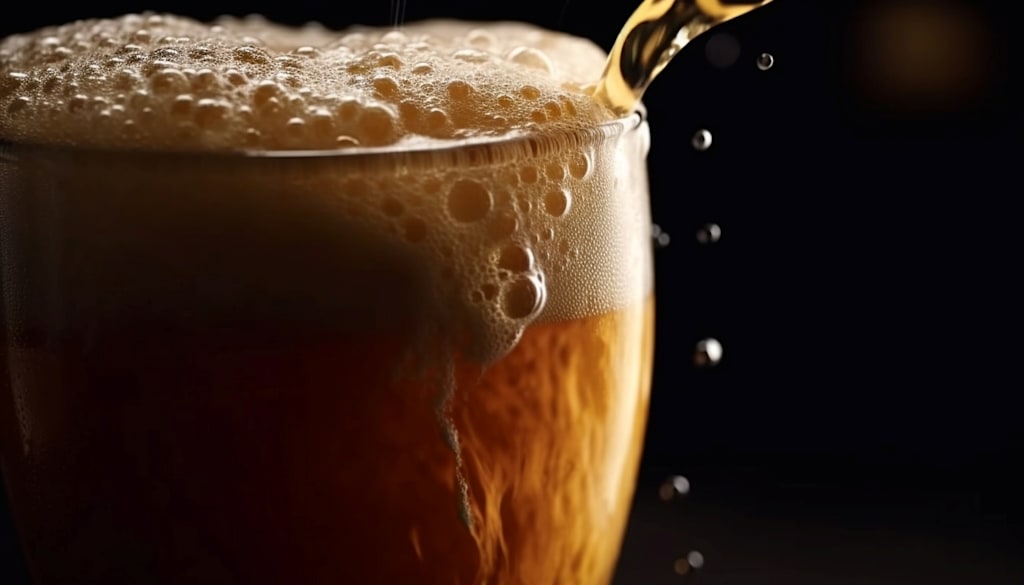
Root beer never really went away. It just waited for the right moment to come back.
There are not many beverages that carry genuine emotional weight.
Coffee does for some people. Tea does for others. But root beer occupies a specific place in American food memory that is hard to explain and surprisingly durable. The frosted mug. The drive-in. The particular combination of vanilla, wintergreen, and something herbal that no other drink quite replicates.
That emotional connection is not just nostalgia. It is turning out to be a commercial asset.
According to Mordor Intelligence, the global root beer market stands at USD 0.84 billion in 2025 and is forecast to reach USD 1.09 billion by 2030 at a 5.13% CAGR. That growth is being driven by a combination of things that would have seemed unlikely for a category most people wrote off as a retro curio. Craft production. Functional reformulation. Sustainability credentials. And a generation of consumers who grew up with root beer and are now old enough to spend money on things that remind them of being young.
What Is Actually Driving Root Beer Back Into Relevance
Root beer's revival is not one thing. It is several things happening at the same time that happen to point in the same direction.
Nostalgia is the foundation. The emotional pull of root beer is real and it is not confined to older consumers. Younger buyers who encountered it through family barbecues, road trips, and old-fashioned diners have their own relationship with the taste that does not require lived memory of the 1950s drive-in era. The flavor itself carries cultural weight that is hard to manufacture and impossible to replicate quickly.
Craft production has given that nostalgia a modern expression. Small-batch root beers made with real botanical ingredients, cane sugar instead of high-fructose corn syrup, and distinctive regional flavor profiles have given consumers a reason to engage with the category seriously rather than as an occasional throwback purchase. The craft beer movement demonstrated that American consumers would pay premium prices for beverages with genuine provenance and ingredient transparency. Root beer has been following the same path.
Functional beverage trends have opened another entry point. Reformulated root beers with reduced sugar, added botanical ingredients with wellness associations, and cleaner label profiles are finding audiences among health-conscious consumers who want something more interesting than water but more genuine than artificially flavored diet sodas. The FDA's January 2025 nutrition label initiative, which has made lower-sodium and lower-acid positioning more visible on front-of-pack labeling, has helped reformulated root beers make that case more effectively at the shelf level.
The Craft Movement and What It Has Done for the Category
The most interesting structural development in root beer over the past decade has been the emergence of a genuine craft segment.
Traditional commercial root beer from major brands is a consistent and well-understood product. It delivers what it promises. But it does not give consumers much to talk about, explore, or feel particularly attached to beyond the base nostalgia value.
Craft root beer does something different. Regional producers using locally sourced botanicals, small-batch brewing processes, and distinctive recipe approaches have created products that reward attention and curiosity. A root beer made with birch bark from a specific region, sweetened with local honey, and carbonated to a particular specification is a genuinely different product from a mass-produced equivalent even if both taste broadly similar to someone not paying close attention.
This craft positioning also supports premium pricing. A consumer buying a four-pack of craft root beer from a local producer is not making the same purchase decision as someone grabbing a two-liter from a supermarket shelf. The price point, the occasion, and the relationship with the product are all different. That premium segment has been growing consistently and it has raised the overall perceived quality of the category in ways that benefit the broader market.
Collaborations with local artisans, food producers, and community figures have been part of how craft root beer brands build their stories. These are not just marketing tactics. They are genuine expressions of the local and authentic positioning that makes craft beverages worth paying attention to in the first place.
Packaging Innovation and the Sustainability Angle
Packaging has become a more significant competitive factor in the root beer market than most people outside the industry would expect.
Lightweight PET bottles and aluminum cans made from infinitely recyclable material have both been gaining ground as consumer and retailer expectations around packaging sustainability have risen. For a category that sells heavily through convenience and impulse channels where single-serve formats dominate, the environmental credentials of the packaging have become part of the product story.
This matters commercially because major retailers have been setting sustainability requirements for their beverage suppliers and brands that already meet those requirements have an advantage in shelf placement and promotional conversations. Root beer producers that have invested in sustainable packaging are finding it opens doors rather than just satisfying a compliance checkbox.
Single-serve packaging has also expanded the consumption occasions where root beer makes sense. A can that fits in a bag or a cup holder turns root beer from a specific occasion drink into an everyday option. That expansion of when and where the product is appropriate to consume is a genuine growth driver rather than just a packaging trend.
E-Commerce and Direct Consumer Relationships
The rise of e-commerce has changed how craft and premium root beer brands reach their customers in ways that have been genuinely important for the smaller end of the market.
A regional craft producer that could previously only reach consumers within their distribution footprint can now sell directly to enthusiasts across the country. That direct relationship allows for storytelling, limited edition releases, subscription formats, and personalized marketing approaches that physical retail cannot support.
Real-time feedback from online customers has also accelerated product development cycles. A brand that can see which flavors generate the most repeat purchases, which limited releases sell out fastest, and where customers are located can make much better decisions about where to invest in production and distribution than one relying on traditional retail sales data alone.
Influencer partnerships have been particularly effective for craft root beer brands because the aesthetic of the product, the frosted glass, the vintage label, the distinctive pour, translates well to visual social content. That visual appeal gives the category natural advantages on platforms where food and beverage content performs consistently well.
Frequently Asked Questions
What is the root beer market size in 2025? The global root beer market stands at USD 0.84 billion in 2025 according to Mordor Intelligence.
How fast is the root beer market growing? The market is forecast to reach USD 1.09 billion by 2030, advancing at a 5.13% CAGR over the forecast period.
Why is root beer growing in popularity again? Growth is driven by nostalgia-based demand, the expansion of craft production with premium botanical ingredients, functional reformulation positioning root beer as a lower-sodium and cleaner-label alternative to mainstream sodas, and sustainable packaging meeting retailer and consumer expectations.
What is craft root beer? Craft root beer is small-batch produced using real botanical ingredients, natural sweeteners like cane sugar or honey, and distinctive regional recipes that differ meaningfully from mass-produced commercial root beer. It commands premium pricing and targets consumers interested in ingredient provenance and authentic flavor profiles.
How is e-commerce affecting the root beer market? E-commerce has allowed craft and premium root beer brands to reach consumers beyond their traditional distribution geography, build direct customer relationships, and use personalized marketing and limited edition releases to build loyalty and accelerate product development.
My Closing Thought On This
Root beer has been declared irrelevant more than once. It is too sweet. It is too regional. It is too associated with a specific era of American culture to travel well or survive changing tastes.
Those declarations keep being wrong.
The flavor is genuinely distinctive and genuinely difficult to replicate. The emotional associations are durable in ways that manufactured beverage trends rarely are. And the craft movement has given the category a modern identity that does not require abandoning what made it worth caring about in the first place.
With the market heading toward USD 1.09 billion by 2030, root beer is doing what it has always done. Taking its time. Staying true to what it is. And finding new people who are glad it exists.
That is not a bad business model for a drink that smells like a summer afternoon.
About the Creator
Harvey Specter
I am passionate about Food & Beverage, Ag, & Animal Nutrition companies. I help organizations unlock their data's potential and fuel business growth. My expertise transforms raw data into actionable insights for strategic decisions.
Keep reading
More stories from Harvey Specter and writers in Journal and other communities.
Fruit Jellies Market Is Turning Simple Candy Into a $1.75 Billion Wellness and Premium Story
Fruit jellies are not a product most people think about seriously. They are the candy in the checkout aisle. The jelly cup in a kid's lunchbox. The wobbly dessert has been around in some form for centuries. Nothing about them suggests they are particularly interesting from a business or nutrition perspective.
By Harvey Specterabout 8 hours ago in Journal
Author’s Advice
If you would’ve asked me 20 years ago did I know I’d become a writer and an author, I would’ve said “nope, ain’t happening”. As fate would have it I did become an author and I can honestly say I’m loving it so far. It really does feel good to be a writer. I’ve learned a lot on this journey and I feel like with even me being as new to this world as I am, there’s some wisdom I need to share with every other aspiring author.
By Joe Patterson27 days ago in Journal
How To Lock in Your Ideal Wedding Venue In Hong Kong Early
To plan a wedding in Hong Kong, you need to be organised and make decisions early. Because the city doesn't have a lot of room, has strong traditions, and a lot of people want to book venues for important dates, they often book them months in advance. Finding the proper place is much easier if you know how things function in the area, are flexible, and are patient.
By Jeewanthi Armstrong4 days ago in Journal
Something Is Beginning, I Think Challenge Winners
This challenge wasn’t about clean starts. It was about that weird in-between where something is beginning, but no one really knows what yet. A lot of these stories leaned into hesitation, into pauses and false starts and that feeling that something is about to happen but hasn’t quite.
By Vocal Curation Team6 days ago in Resources




Comments
There are no comments for this story
Be the first to respond and start the conversation.