
Supreme Court Clears Path for Trump DOJ to Drop Case Against Steve Bannon: What It Means and Why It Matters
What It Means and Why It Matters

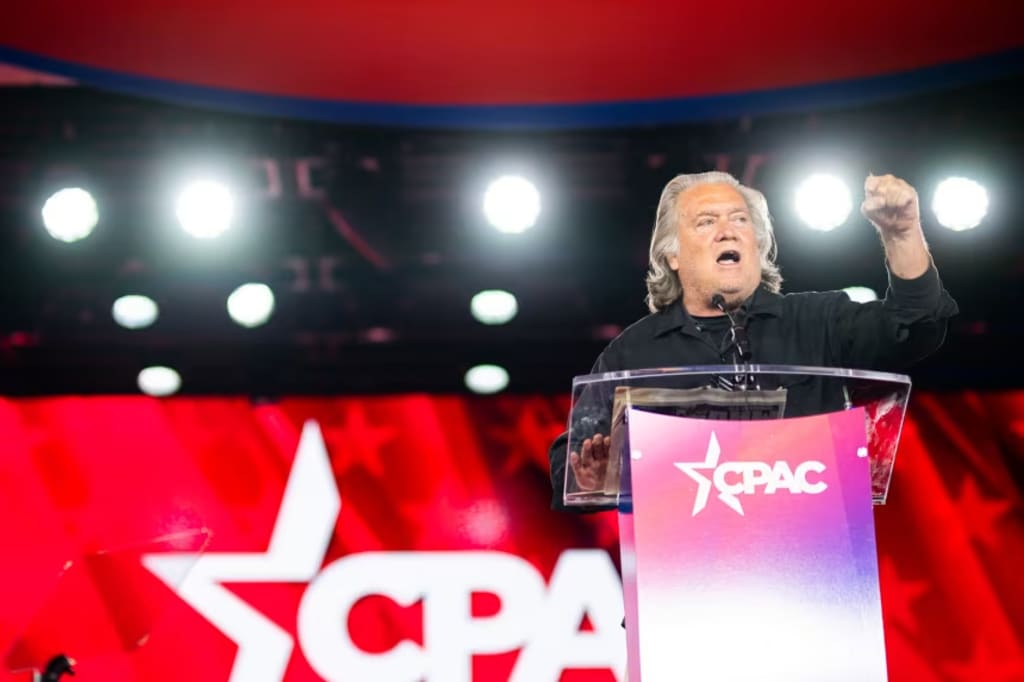
In a major legal and political development, the Supreme Court of the United States has cleared the way for the Justice Department under Donald Trump to dismiss the criminal case against former White House adviser Steve Bannon.
While the decision may not immediately change Bannon’s personal circumstances—since he has already served his sentence—it carries significant implications for law, politics, and the balance of power in the United States.
Let’s break down what happened, why it matters, and what it reveals about the evolving legal landscape.
What Happened: A Case That Took a Dramatic Turn
Steve Bannon was convicted in 2022 for defying a congressional subpoena tied to the investigation into the January 6 Capitol riot.
He was accused of:
- refusing to provide documents
- declining to appear for testimony
As a result, he was found guilty of contempt of Congress and later served a four-month prison sentence in 2024.
However, in a surprising shift, the Justice Department—now under Trump’s leadership—moved to dismiss the case entirely.
The Supreme Court then vacated a lower court ruling that had upheld Bannon’s conviction, effectively allowing the dismissal to proceed.
Why This Decision Matters
At first glance, this might seem like a technical legal move.
But in reality, it touches on three powerful themes:
1. Prosecutorial Discretion
The Justice Department stated that dismissing the case was “in the interests of justice.”
This highlights a key principle:
The executive branch has the authority to decide whether to continue or drop a prosecution.
Story Insight:
Think of the legal system as a machine—but one that still requires human judgment. Prosecutors are not just enforcers; they are decision-makers who weigh fairness, evidence, and broader impact.
2. The Definition of “Willfully”
At the heart of Bannon’s defense was a legal argument about intent.
He claimed:
- he did not intentionally defy the subpoena
- he relied on legal advice
- he was waiting for resolution of executive privilege claims
However, lower courts rejected this, stating that reliance on legal counsel was “no defense at all.”
This raises a deeper legal question
When does advice become a shield—and when does it not?
3. Separation of Powers
Bannon’s legal team argued that the case violated the constitutional principle of separation of powers.
Their claim:
- Congress issued the subpoena
- the executive branch asserted privilege
- Bannon was caught in the middle
This tension between branches is not new—but this case puts it back in the spotlight.
The Political Context: A Shift in Direction
The decision aligns with broader actions by Donald Trump, including:
- pardons related to January 6 cases
- changes in DOJ priorities
- a different interpretation of executive authority
This marks a clear shift from the previous administration under President Joe Biden, where the case was actively pursued.
Why This Matters Politically
Legal decisions do not exist in isolation.
They are influenced by:
- leadership
- policy priorities
- interpretations of justice
And when administrations change, so can the direction of high-profile cases.
Does This Change Anything for Bannon?
Practically speaking—not much immediately.
Bannon has already:
- been convicted
- served his prison sentence
However, the dismissal effort is still significant.
Why Continue Fighting After Serving Time?
Because legal battles are not just about punishment—they are about:
- reputation
- precedent
- historical record
Clearing a conviction can reshape how a case is remembered.
A Broader Legal Pattern
Bannon is not the only figure involved in January 6-related legal disputes.
Another former Trump adviser, Peter Navarro, faced similar legal challenges—but did not receive the same outcome at the Supreme Court level.
What This Suggests
The legal system is not always predictable.
Outcomes can vary based on:
- timing
- legal strategy
- political context
- judicial interpretation
The Bigger Question: Justice or Politics?
This case raises a fundamental question:
Where does justice end and politics begin?
Supporters argue:
- the case should never have been brought
- Bannon was exercising legal rights
Critics argue:
- defying a congressional subpoena undermines accountability
- dismissing the case sets a dangerous precedent
Both perspectives highlight the complexity of the issue.
Lessons from the Case
This development offers key insights:
1. Law Is Interpreted, Not Just Applied
Different courts—and administrations—can interpret the same facts differently.
2. Power Dynamics Matter
The interaction between Congress, the executive branch, and the judiciary shapes outcomes.
3. Timing Changes Everything
A case pursued under one administration can be dropped under another.
Final Thoughts: A Case That Reflects a Divided Era
The Supreme Court’s decision to clear the way for dismissal of Steve Bannon’s case is more than a legal update.
It’s a reflection of:
- shifting political power
- evolving legal interpretations
- ongoing debates about accountability and authority
In the end, this isn’t just about one man.
It’s about the system itself.
And the bigger question that remains is:
In a deeply divided political landscape, can justice ever be seen as truly neutral?
About the Creator
Omasanjuwa Ogharandukun
I'm a passionate writer & blogger crafting inspiring stories from everyday life. Through vivid words and thoughtful insights, I spark conversations and ignite change—one post at a time.
Keep reading
More stories from Omasanjuwa Ogharandukun and writers in Journal and other communities.


Comments
There are no comments for this story
Be the first to respond and start the conversation.