
The Secret Ingredient Powering Food Industry
Why hydrocolloids quietly shape everything from yogurt texture to plant-based burgers.
The spoon sinks slowly into the yogurt.
It’s creamy, smooth, and perfectly thick. But what if the real magic behind that texture wasn’t milk at all?
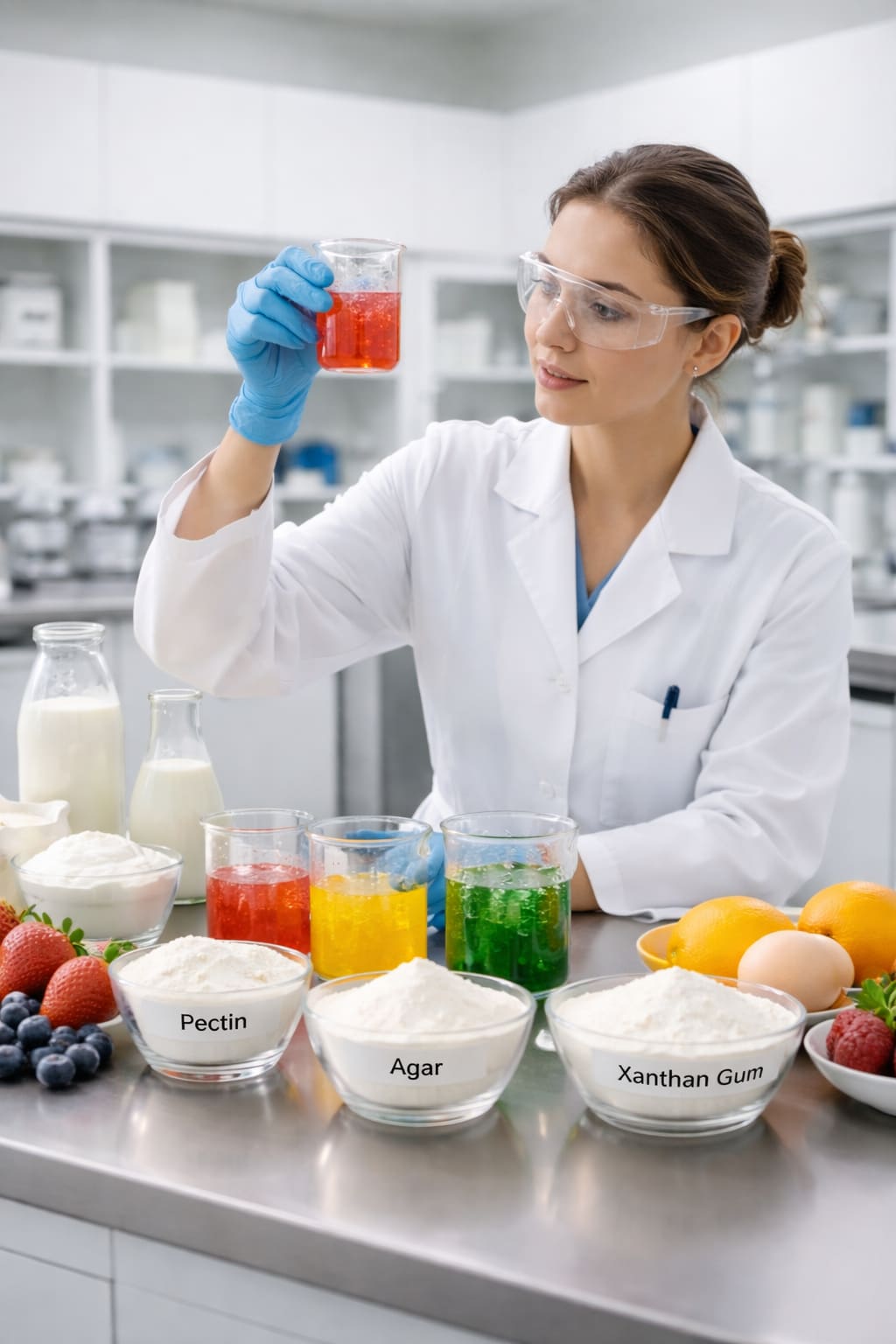
Behind thousands of foods—from sauces and ice cream to plant-based meat-lies a class of invisible ingredients called hydrocolloids. Most consumers never hear the word. Yet food scientists consider them essential building blocks of modern food.
As the food industry evolves toward plant-based products, clean labels, and longer shelf life, hydrocolloids are quietly becoming one of the most important ingredients in global food innovation.
The Science Behind Texture
Hydrocolloids are water-binding polymers that change how liquids behave. They thicken, stabilize, and emulsify foods.
Common examples include:
- Xanthan gum
- Agar
- Gelatin
- Pectin
- Carrageenan
Without these ingredients, many familiar foods would separate, collapse, or lose their signature texture.
For example:
- Ice cream would crystallize
- Salad dressings would split
- Yogurt would become watery
Food engineers rely on hydrocolloids to create the exact mouthfeel consumers expect.
According to research from Mordor Intelligence, the global hydrocolloids industry is expected to grow at over 6% CAGR between 2025 and 2030 as demand rises across food, pharmaceuticals, and cosmetics.
This growth reflects a deeper shift: consumers want healthier, plant-based, and functional foods.
Hydrocolloids make that possible.
Why Plant-Based Foods Need Hydrocolloids
The plant-based food revolution has created a challenge.
Plants don’t naturally behave like dairy or meat.
For example:
- Almond milk separates easily
- Vegan cheese melts poorly
- Plant burgers crumble
Hydrocolloids solve these problems.
They replicate the structure and stability that animal proteins naturally provide.
For instance:
- Carrageenan creates creamy dairy alternatives
- Xanthan gum stabilizes sauces
- Pectin gives jams their gel structure
The Rise of Clean-Label Ingredients
Consumers today read ingredient labels more carefully than ever.
Words like “natural,” “plant-based,” and “recognizable ingredients” increasingly influence purchasing decisions.
Hydrocolloids derived from botanical sources-such as citrus pectin or seaweed agar—fit perfectly into this trend.
- In fact Botanical hydrocolloids held over 53% of market value share in 2025, according to Mordor Intelligence.
Food companies are now investing heavily in seaweed cultivation, fermentation technology, and sustainable sourcing to secure reliable hydrocolloid supply chains. This shift also reflects broader sustainability goals across the food industry.
A Surprising Link to the Silicone Market
While hydrocolloids dominate food applications, texture engineering also plays a role in materials science.
Industries such as cosmetics, pharmaceuticals, and healthcare often combine hydrocolloid formulations with silicone-based additives to achieve unique stability and sensory effects.
As a result, analysts frequently compare trends in hydrocolloid innovation with the broader silicone market size and silicone market share, particularly in medical gels, topical creams, and advanced cosmetic formulations.
The Ingredient Most People Never Notice
The next time you eat yogurt, sauce, or a vegan burger, consider the unseen ingredient shaping its texture.
Hydrocolloids rarely appear in advertisements. They don’t trend on social media. Yet they power the structure of modern food.
And as the global food system evolves toward sustainability and plant-based nutrition, their importance will only grow.
So here’s the question:
If hydrocolloids quietly shape the food we eat every day—should consumers know more about them?
Asia Is Becoming a Major Growth Engine
Asia-Pacific is emerging as one of the fastest-growing regions for hydrocolloids. Changing lifestyles, urbanization, and the rise of convenience foods are increasing demand for stabilizing ingredients across beverages, dairy, and ready-to-eat meals.
The Future of Food Innovation
Several emerging technologies are shaping the future of hydrocolloids.
Precision fermentation allows scientists to produce specialized hydrocolloids using microorganisms. Seaweed-based biorefineries are expanding sustainable sources of carrageenan and agar. Meanwhile, food engineers are experimenting with hydrocolloid formulations to enable 3D-printed foods and customized nutrition. These innovations show how a seemingly simple ingredient category can play a central role in food technology.
Growing Role in the Food and Beverage Industry
One of the primary drivers of the Hydrocolloids Market is the rapid expansion of the food and beverage sector. Hydrocolloids such as Guar Gum, Xanthan Gum, Carrageenan, and Agar are widely used to improve mouthfeel, stability, and shelf life in processed foods. These ingredients are essential in dairy alternatives, sauces, baked goods, and ready-to-eat meals where maintaining product consistency is crucial.
With global consumers demanding clean-label and plant-based foods, hydrocolloids sourced from seaweed and plant materials are becoming particularly attractive. Food manufacturers are using these ingredients to replace synthetic additives while maintaining product quality.
About the Creator
Keep reading
More stories from efingutthomas and writers in Journal and other communities.




Comments
There are no comments for this story
Be the first to respond and start the conversation.