
Trump Administration Considers Loosening U.S. Shipping Rules to Combat Fuel Price Spike
How Potential Changes to the Merchant Marine Act of 1920 (Jones Act) Could Expand Fuel Transport Capacity and Ease Rising Energy Costs in the United States.
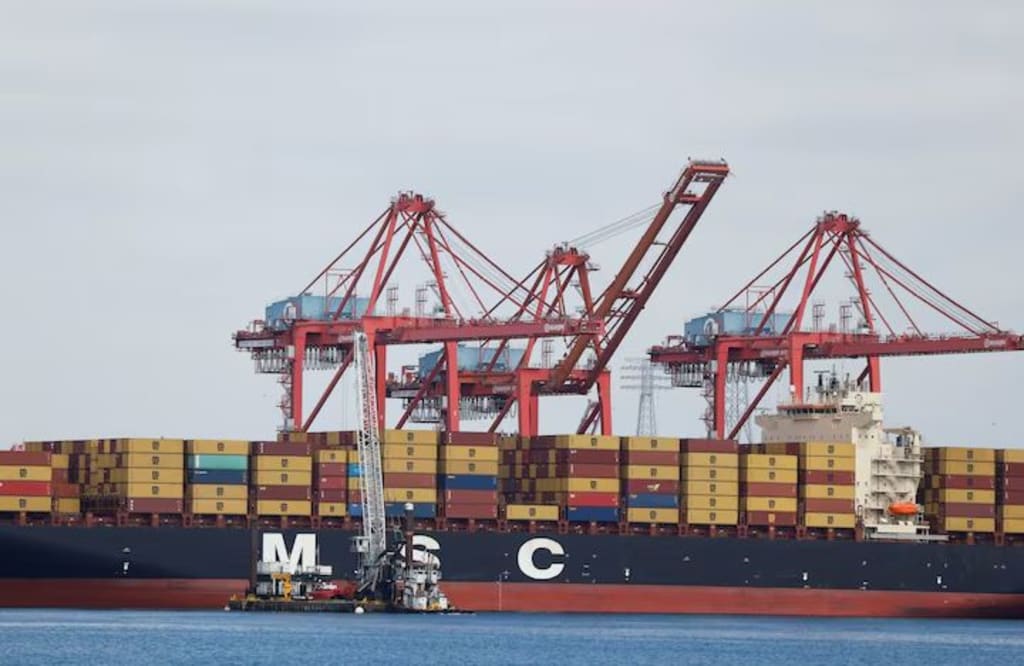
At the center of the discussion is a century-old maritime law known as the Merchant Marine Act of 1920 (Jones Act), which requires that cargo transported between U.S. ports must be carried on ships that are built in the United States, owned by U.S. companies, and crewed primarily by American workers. While the law was originally designed to protect national security and the domestic shipping industry, critics argue that it can also restrict shipping capacity and drive up costs—especially during periods of economic stress or energy shortages.
Rising Fuel Prices Spark Policy Debate
Fuel prices have become a major concern for households and businesses alike. Global geopolitical tensions, disruptions in oil supply routes, and increased transportation costs have all contributed to rising gasoline and diesel prices. These increases ripple through the economy, raising the cost of everything from groceries to airline tickets.
In recent months, analysts have pointed out that logistical constraints within the United States have worsened the situation. While some regions have adequate fuel supplies, others experience shortages because shipping fuel between U.S. ports can be expensive and limited due to the requirements of the Jones Act.
For example, refineries along the Gulf Coast may produce surplus fuel, yet shipping it to the Northeast can sometimes be more costly than importing fuel from foreign countries. This paradox has prompted policymakers to reconsider whether temporary flexibility in shipping regulations could help ease supply bottlenecks.
What Loosening Shipping Rules Could Mean
If the administration proceeds with relaxing certain provisions of the Jones Act—either through waivers or temporary exemptions—it could allow foreign-built or foreign-flagged ships to transport fuel between U.S. ports. Supporters say this would immediately expand shipping capacity and reduce transportation costs.
With more ships available to move gasoline, diesel, and other petroleum products around the country, energy markets could become more balanced. Regions experiencing shortages might receive supplies faster, helping stabilize prices at the pump.
Economists also suggest that increased competition among shipping operators could drive down freight costs, which are often passed on to consumers. In theory, even a modest reduction in transportation expenses could translate into noticeable relief for drivers and businesses already coping with inflation.
Opposition From Maritime Industry
Despite these potential benefits, the idea of loosening shipping rules faces strong resistance from parts of the U.S. maritime industry. Shipbuilders, shipping companies, and maritime unions argue that weakening the Jones Act—even temporarily—could undermine American jobs and threaten national security.
Supporters of the law believe it ensures that the United States maintains a robust domestic maritime fleet capable of supporting military operations during times of crisis. They warn that allowing foreign vessels to operate freely between U.S. ports could weaken the domestic industry over time.
Labor groups have also expressed concerns about job losses. The Jones Act helps sustain thousands of American maritime jobs, from shipyard workers to sailors. Industry representatives argue that relaxing the rules could open the door to cheaper foreign labor, putting pressure on wages and employment in the sector.
Balancing Energy Needs and Economic Protection
The debate highlights a broader policy challenge: balancing economic efficiency with national industrial priorities. While the Jones Act has played an important role in shaping the U.S. maritime industry, critics argue that the global shipping market has changed dramatically since the law was enacted in 1920.
The number of Jones Act–compliant vessels is relatively small compared to the global fleet, which can make domestic shipping more expensive and less flexible. During emergencies—such as hurricanes, supply disruptions, or energy shortages—the government has occasionally issued temporary waivers to allow foreign ships to assist in transporting fuel and other essential goods.
Proponents of a temporary waiver say the current fuel price spike may justify a similar measure. They argue that short-term flexibility would not dismantle the Jones Act but rather provide a practical solution during extraordinary circumstances.
Political and Economic Implications
The decision to loosen shipping rules would also carry political implications. High fuel prices often become a major issue for voters, particularly during periods of economic uncertainty. Any policy that promises relief at the gas pump tends to attract attention from both policymakers and the public.
For the Trump administration, exploring adjustments to shipping regulations could signal a willingness to prioritize immediate economic relief while maintaining broader support for American industries. However, navigating the competing interests of consumers, energy companies, and maritime workers will require careful political calculation.
Meanwhile, energy analysts emphasize that shipping rules are only one factor affecting fuel prices. Global oil production levels, geopolitical conflicts, refinery capacity, and seasonal demand all play significant roles in determining the cost of gasoline and diesel.
A Temporary Fix or Long-Term Reform?
The current debate may also reignite a long-standing conversation about whether the Jones Act should be reformed more broadly. Some economists believe modernizing the law could reduce costs and improve supply chain efficiency in the long run. Others insist that maintaining strict domestic shipping protections remains essential for national security and economic stability.
For now, policymakers appear focused on short-term solutions rather than sweeping legislative changes. Temporary waivers or targeted exemptions could offer a compromise—providing immediate relief without permanently altering the structure of U.S. maritime policy.
Looking Ahead
As discussions continue in Washington, the outcome will likely depend on how severe the fuel price surge becomes and how quickly policymakers feel pressure to act. If prices continue to climb, the administration may face increasing calls from businesses, transportation companies, and consumers to expand fuel shipping options.
At the same time, maritime industry groups will continue lobbying to preserve the protections they believe are vital to the nation’s economic and security interests.
Ultimately, the debate over loosening U.S. shipping rules underscores a deeper challenge facing modern economies: how to maintain resilient domestic industries while ensuring efficient supply chains in an increasingly interconnected global market.
Whether the Trump administration moves forward with changes or maintains the status quo, the decision will shape not only the trajectory of fuel prices but also the future of American maritime policy. ⚓⛽📉
About the Creator
Worth the Wait: Puerto Viejo, Costa Rica
Beach bumming in a small Caribbean beach town sounded like a perfect way to end our 6-month trip through Mexico and Central America. Or so we thought. The foul, fishy stench of rotten seaweed hit our nostrils as we stepped from the cramped bus and looked out at a rather depressing, empty, and underwhelming black sand beach. It was pouring with rain, and we had to quickly fish out our ponchos. We thought, this couldn’t be it, could it?
By Sh*t Happens - Lost Girl Travel7 days ago in Wander




Comments
There are no comments for this story
Be the first to respond and start the conversation.