
Trump says: ‘I’ll End It When I Feel It in My Bones’ - The Unclear Timeline for Iran War
The president says the conflict could end soon, but shifting statements leave the war’s timeline uncertain.

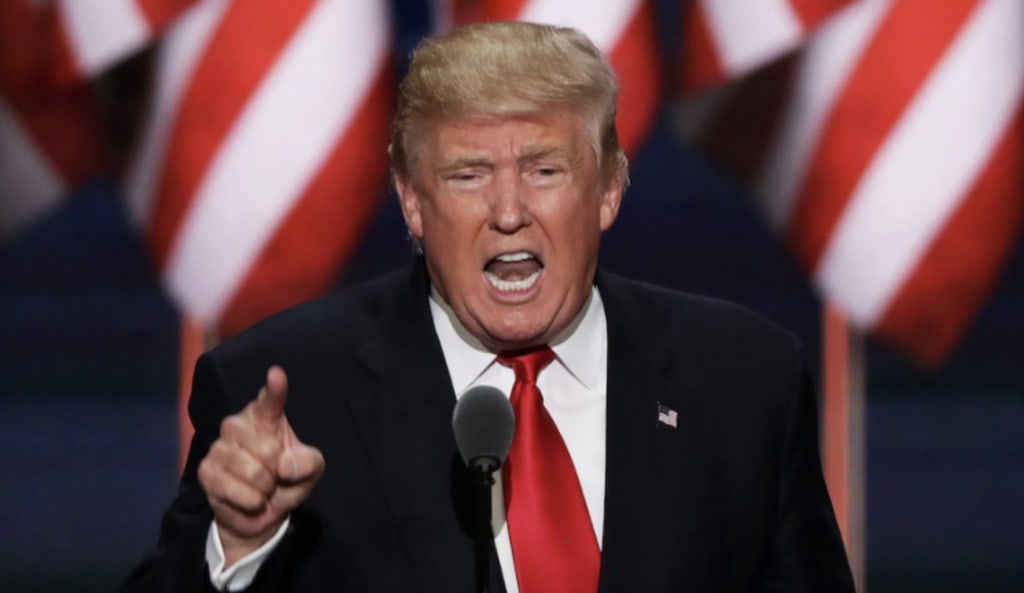
The war between the United States, Israel, and Iran has entered a tense new phase, and one of the biggest questions dominating global headlines is simple: How long will it last
President Donald Trump and his administration have offered several different answers over the past two weeks, creating confusion about the timeline and objectives of the conflict.
While some officials say the war could end soon, others warn that it may stretch on for months — or even longer.
Here is what reliable reporting and recent statements reveal about the potential timeline of the war.
The War Began After Massive Strikes on Iran
The current conflict began in late February 2026 after joint U.S. and Israeli strikes on Iranian military and nuclear-related infrastructure. These attacks followed months of rising tensions, protests inside Iran, and a large U.S. military buildup in the region.
The strikes reportedly killed Iran’s Supreme Leader Ali Khamenei and several senior commanders, dramatically escalating the confrontation and prompting retaliatory missile and drone attacks across the Middle East.
Since then, the conflict has spread across multiple fronts, including naval tensions in the Persian Gulf and missile strikes targeting U.S. and Israeli interests.
Trump’s Timeline Has Changed Multiple Times
One of the most confusing aspects of the war has been the administration’s messaging about how long it will last.
According to reporting summarized by multiple outlets, President Trump has given several different estimates:
At one point he suggested the war might last four to five weeks.
Later he said the operation could end “very soon.”
In other remarks, he suggested the U.S. could fight “forever” if necessary.
Trump has also said he will decide when the war ends based largely on whether he believes U.S. military objectives have been achieved.
In one striking comment reported by journalists covering the administration, Trump said the conflict would end “when I feel it in my bones.”
Those shifting statements have fueled criticism from analysts who say the war lacks a clearly defined endgame.
Military Officials Claim Major Progress
Despite uncertainty about the timeline, U.S. officials say the military campaign has already achieved significant results.
Defense leaders report that Iran’s missile and drone capabilities have been heavily degraded during the early stages of the war. According to U.S. officials, missile launches have dropped by about 90% and drone attacks by roughly 95%.
American and Israeli forces have targeted military infrastructure across Iran, including missile factories, air defenses, and naval assets.
Trump has repeatedly claimed the Iranian military has been “effectively destroyed,” though analysts caution that Iran still retains asymmetric capabilities that could prolong the conflict.
Iran’s Strategy: Economic Pressure
Even as its military capabilities have been hit, Iran has responded with a different strategy — economic disruption.
Iran has attempted to pressure Western countries by targeting the Strait of Hormuz, a narrow shipping route through which about 20% of global oil exports pass.
Attacks and threats against oil tankers have caused shipping traffic through the strait to collapse by roughly 97%, sending energy markets into turmoil.
The disruption has triggered what some analysts describe as the largest oil supply crisis in modern history, with ripple effects across global markets.
The Conflict Is Expanding Regionally
Another factor complicating the war’s timeline is the growing number of regions affected by the fighting.
Recent reports indicate that:
The U.S. is deploying about 2,500 Marines and additional naval forces to the Middle East.
Israeli forces continue strikes against Iranian targets and Hezbollah-linked sites.
Drone attacks and missile strikes have spread across the Persian Gulf region.
The humanitarian impact is also increasing, with thousands of casualties reported and millions displaced across the region.
Critics Say the War Lacks a Clear Strategy
Some analysts and policymakers argue the biggest problem facing the conflict is the absence of a clearly defined strategic objective.
Critics say the goals of the war have shifted multiple times — from weakening Iran’s military, to stopping its nuclear program, to potentially forcing regime change.
That evolving mission has raised concerns that the war could drag on longer than expected if political and military objectives remain unclear.
What Happens Next?
Right now, the future of the war remains uncertain.
Possible outcomes include:
- A short-term campaign followed by negotiations
- A prolonged air war against Iranian infrastructure
- A broader regional conflict involving additional countries
- A political settlement if both sides decide the costs are too high
For now, the conflict remains fluid — and the question of when it will end still has no clear answer.
As one of the most consequential geopolitical crises in years unfolds, the timeline of the war may depend less on predictions and more on how the battlefield, energy markets, and international politics evolve in the weeks ahead.
About the Creator
Navigating the World
News, commentary on entertainment, music, influencers, and modern culture, upcoming artists, politics, and more. Everything you need to know — all in one place.
Keep reading
More stories from Navigating the World and writers in Journal and other communities.
Iran War Update: What Happened Today and Why the Situation Is Getting More Dangerous
The war involving Iran, Israel, and the United States continues to escalate, with new developments emerging almost daily. What began as a series of military strikes has rapidly expanded into a regional conflict affecting global energy markets, shipping routes, and international politics.
By Navigating the Worldabout 3 hours ago in Journal
Author’s Advice
If you would’ve asked me 20 years ago did I know I’d become a writer and an author, I would’ve said “nope, ain’t happening”. As fate would have it I did become an author and I can honestly say I’m loving it so far. It really does feel good to be a writer. I’ve learned a lot on this journey and I feel like with even me being as new to this world as I am, there’s some wisdom I need to share with every other aspiring author.
By Joe Patterson2 days ago in Journal
RTD Coffee Market Boom: $34B Brewing Fast
It’s early morning in a crowded city. The subway doors slide open, commuters rush in, and someone pulls a chilled bottle from their bag. No waiting in line. No grinding beans. Just a quick twist of the cap — and coffee is ready.
By Harvey Specter4 days ago in Journal




Comments
There are no comments for this story
Be the first to respond and start the conversation.