
Waste to Energy: Can Trash Power Our Future?
Inside the global shift turning waste into electricity and opportunity
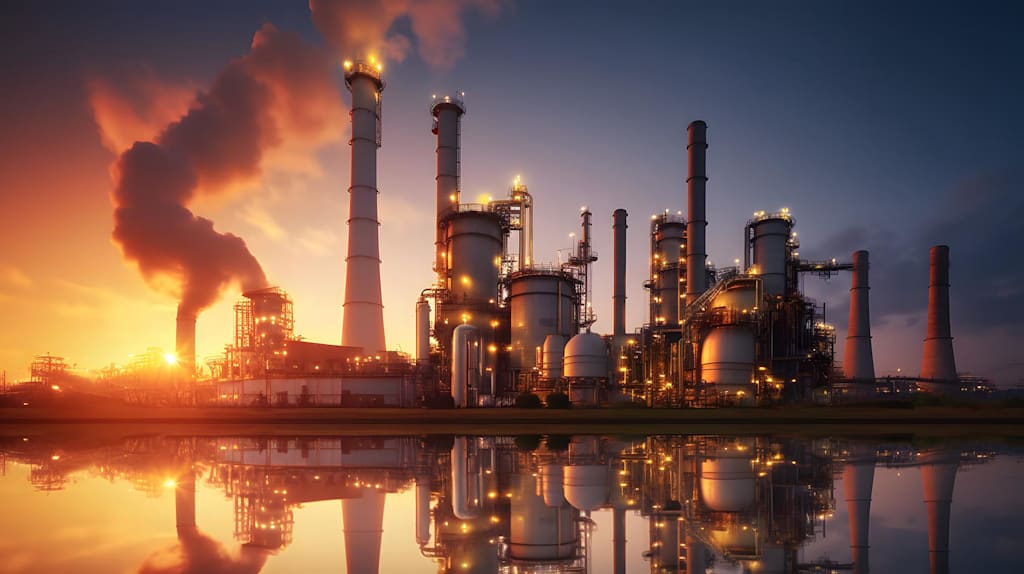
The garbage truck arrives before dawn, its mechanical arms lifting bins filled with yesterday’s leftovers—food scraps, plastic wrappers, forgotten objects. For most of us, this is where the story ends. Out of sight, out of mind.
But what if that waste didn’t disappear into landfills? What if it became electricity lighting up homes, powering industries, and fueling entire cities? Across the world, a quiet revolution is turning trash into energy—and it’s happening faster than most people realize.
The Rise of a New Energy Source
As global populations grow and urban centers expand, the world faces two converging crises: mounting waste and rising energy demand. Landfills are overflowing, while fossil fuel dependency continues to strain the environment. The solution, surprisingly, may lie in combining these challenges into one opportunity.
Waste-to-energy (WtE) technology does exactly that. By converting municipal solid waste into usable forms of energy—such as electricity, heat, or fuel—it offers a dual benefit: reducing landfill volume while generating power.
According to Mordor Intelligence, the Waste to energy market is expected to rech USD 85.35 Billion by 2031, driven by increasing urbanization, stricter environmental regulations, and the urgent need for sustainable waste management solutions. The market is projected to expand at a consistent CAGR through the forecast period, reflecting strong global adoption.
This growth isn’t just about numbers—it’s about necessity.
How Trash Becomes Power
The process might sound futuristic, but it’s grounded in well-established technologies. Waste-to-energy plants typically use methods like incineration, gasification, or anaerobic digestion to extract energy from waste materials.
In incineration, for example, waste is burned at high temperatures to produce steam. That steam drives turbines, generating electricity much like a conventional power plant. Meanwhile, advanced filtration systems capture harmful emissions, making the process cleaner than traditional waste burning.
Other technologies go even further. Gasification converts waste into synthetic gas, while anaerobic digestion uses microorganisms to break down organic waste and produce biogas. Each method contributes to a growing ecosystem of innovation within the waste to energy market size.
Countries like Sweden and Japan have already embraced these systems at scale, importing waste to keep their plants running efficiently. For them, trash isn’t just a problem—it’s a resource.
View In-Depth Global and Regional Insights with Dedicated Japan Market Analysis
Environmental Promise vs. Public Perception
Despite its potential, waste-to-energy remains a topic of debate. Supporters argue that it significantly reduces landfill use, lowers greenhouse gas emissions compared to unmanaged waste, and provides a reliable energy source.
Critics, however, raise valid concerns. Questions about air pollution, toxic ash disposal, and the risk of discouraging recycling continue to shape public perception. While modern plants are equipped with advanced emission controls, trust remains a key hurdle.
The truth likely lies somewhere in between. Waste-to-energy is not a perfect solution—but in a world producing billions of tons of waste annually, it may be a necessary one.
A Glimpse Into the Future
Imagine a city where waste collection trucks feed directly into energy grids. Where landfills are relics of the past, replaced by circular systems that reuse, recycle, and recover energy from every possible source.
This vision is no longer distant. Governments and private investors are increasingly channeling funds into waste-to-energy infrastructure, recognizing its role in sustainable urban development. The growing waste to energy market share across regions reflects a broader shift toward integrated resource management.
Emerging economies, in particular, present massive opportunities. With rapidly expanding populations and limited landfill space, countries in Asia and Africa are turning to waste-to-energy as both an environmental and economic solution.
At the same time, technological advancements continue to improve efficiency and reduce environmental impact, making these systems more viable than ever before.
The Bigger Question
Waste-to-energy challenges the way we think about consumption. It forces us to confront an uncomfortable truth: everything we throw away still has consequences—and potentially, value.
The idea that yesterday’s trash could power tomorrow’s cities is both inspiring and complex. It’s a reminder that innovation often comes from reimagining what we already have.
As the world searches for sustainable solutions, one thing is clear: waste is no longer just waste.
If your city could turn its garbage into electricity, would you support it—or question the cost behind the convenience?
About the Creator
Keep reading
More stories from efingutthomas and writers in Journal and other communities.
The Hidden Gold Rush in Solar Waste by 2031
The future was supposed to be clean, endless, and powered by the sun. Rows of gleaming solar panels stretching across deserts, rooftops, and farmlands became symbols of progress. But behind that brilliance lies a quiet, growing shadow—what happens when those panels stop working?
By efingutthomas3 days ago in Journal
Author’s Advice
If you would’ve asked me 20 years ago did I know I’d become a writer and an author, I would’ve said “nope, ain’t happening”. As fate would have it I did become an author and I can honestly say I’m loving it so far. It really does feel good to be a writer. I’ve learned a lot on this journey and I feel like with even me being as new to this world as I am, there’s some wisdom I need to share with every other aspiring author.
By Joe Patterson26 days ago in Journal
Lost the Receipt? 3 Pro-Level Hacks to Reclaim Your Proof of Purchase
We've all been there: you're ready to return a defective product or flip a high-value item on the resale market, only to realize the physical receipt has disappeared into thin air. Losing that little slip of thermal paper usually feels like losing cash, but modern problems have modern solutions. If you find yourself staring at a bank statement but missing the actual documentation required for a warranty or a return, using a reliable Receipt is the most efficient lifehack to reconstruct your records.
By Reach Boost Agency 2 days ago in Journal
Something Is Beginning, I Think Challenge Winners
This challenge wasn’t about clean starts. It was about that weird in-between where something is beginning, but no one really knows what yet. A lot of these stories leaned into hesitation, into pauses and false starts and that feeling that something is about to happen but hasn’t quite.
By Vocal Curation Team5 days ago in Resources




Comments
There are no comments for this story
Be the first to respond and start the conversation.