
How to Hire a Quality Painting Team in Sydney Without the Job Dragging On
A practical guide for smoother repaints

A repaint is meant to be a tidy upgrade: cleaner lines, brighter rooms, a place that feels looked-after again.
Yet plenty of paint projects in Sydney turn into a slow-motion inconvenience—rooms half usable, dates sliding, and that lingering sense the finish isn’t quite right.
The difference usually isn’t luck. It’s how the job is scoped, prepped, scheduled, and communicated before anyone opens a tin.
What “quality workmanship” actually means in practice
Quality painting isn’t just “two coats and done.”
It’s straight cut-ins, even sheen, tidy edges around switches and trims, and a surface that looks smooth rather than patched together.
That outcome is mostly decided before the first topcoat: repairs done properly, sanding handled with care, stains treated so they don’t reappear, and floors and fittings protected so you’re not paying for clean-up later.
Speed isn’t automatically a red flag. The red flag is speed without a plan.
Common mistakes that create rework and blown timelines
The classic trap is comparing quotes that aren’t describing the same work.
One quote might quietly assume the walls are already sound, while another includes proper patching, sanding, and stain-blocking where needed.
If you don’t force like-for-like scope, you’ll “save” money upfront and spend it later on fixes, touch-ups, or repainting sections that didn’t bond well.
Another common issue is treating drying and curing as the same thing.
Paint can feel dry quickly, but still be soft underneath—especially in humid weather or poorly ventilated rooms—so doors stick, marks appear, and touch-ups never blend cleanly.
And then there’s trade overlap. Flooring dust, blind installers, sparkies, or furniture movers working through wet areas can ruin a finish in ways that are hard to pin on one person, which is exactly why sequencing matters.
Decision factors that help you choose the right team
Scope clarity beats “best price.”
You want a written scope that names areas (walls/ceilings/trims/doors), how many coats, what repairs are included, and what isn’t.
Prep method tells you more than brand of paint.
Ask how they handle peeling paint, glossy surfaces, water marks, timber trim repairs, and exterior chalking—because each needs a different approach.
Protection and access planning is part of workmanship.
A good team will talk about floors, masking, furniture expectations, ventilation, and how they’ll keep the space workable.
Product selection should match the space.
Bathrooms, hallways, kids’ rooms, rentals, and exteriors all behave differently, and “premium” isn’t a strategy by itself.
A realistic schedule includes cure time and contingencies.
For exteriors, weather matters. For interiors, airflow and room availability matters. A timeline that ignores both often slips.
Communication style is a leading indicator.
If you can’t get clear answers during quoting, it rarely gets clearer once the job starts.
Operator Experience Moment
In my experience, the calmest paint jobs are the ones where the “boring” decisions get made early: what gets painted when, what must be moved, and what “finished” means.
When that’s not agreed upfront, small surprises—stains that bleed, repairs that need another sand, a room that isn’t accessible—snowball into delays and friction.
A short planning chat at the start usually saves a long argument at the end.
A simple 7–14 day plan to keep control (without micromanaging)
Days 1–2: Do a proper walk-through.
Write down every surface being painted, and mark problem spots (chips, cracks, water marks, flaking areas). Decide where clean lines matter most.
Days 2–4: Make the quotes comparable.
Create a one-page checklist with prep tasks, coats, included areas, protection, and the touch-up process.
If you want a practical reference for keeping scope and prep consistent, use the Mi Painting & Maintenance project checklist while you finalise the job plan.
Days 4–7: Lock in access and sequencing.
Confirm keys/alarm access, parking constraints, and when rooms must be available. Avoid stacking dusty trades on top of painting.
Days 7–10: Deal with “paint won’t fix this” issues.
Active moisture, mould, rotten timber, and persistent bubbling need attention before painting—otherwise the finish can fail no matter how skilled the applicator is.
Days 10–14: Confirm colour and sheen in real lighting.
Test samples where you’ll actually see them (morning and night). Agree on sheen by area so you don’t end up with mismatched walls or trims.
Local SMB Mini-Walkthrough: a small Sydney workspace repaint with minimal disruption
Split the site into zones and rotate them instead of shutting everything down at once.
Schedule sanding and repairs outside peak hours where possible.
Start with high-visibility areas (entry, counter, corridors, meeting room) so the place feels “done” sooner.
Protect IT, stock, and signage early so you’re not shifting items mid-job.
Do a short walk-through at the end of each zone to catch edges and misses fast.
Plan final touch-ups around trading hours and any building or strata access rules.
What to expect on day one (and how to reduce rework)
Day one should look organised: floors protected, edges masked, surfaces checked, and the scope reconfirmed so there are no “I thought that wall was included” surprises.
If people are living or working onsite, talk through ventilation and which rooms are out of action when.
For rentals or workplaces, confirm who’s handling access and how variations are approved if hidden issues appear (like old stains under a previous coat).
Most rework comes from unclear boundaries, unstable surfaces, or rushing touch-ups before the coating has properly cured.
Practical Opinions
Prep quality is the real finish quality.
Clear scope beats a cheap number every time.
Good scheduling is a form of respect for everyone’s time.
Key Takeaways
- Compare quotes by scope and prep detail, not just the total price.
- Use a 7–14 day setup plan to prevent on-site decision chaos.
- Expect protection and prep to take time—this is what “quality workmanship” looks like.
- Define the handover standard and touch-up process before work begins.
Common questions we get from Aussie business owners
Q1) How do we compare painting quotes without getting tricked by vague wording?
Usually the safest approach is to force every quote into the same checklist: prep tasks, coats, included areas, protection, and how touch-ups are handled.
Next step: ask each painter to confirm any missing items in writing so you’re comparing like-for-like.
In Sydney, access details (parking, keys, loading zones, strata rules) can affect time and cost, so include them in the scope.
Q2) What’s the biggest risk when painting a workspace that’s still operating?
In most cases it’s disruption creating defects—people brushing past wet walls, dust settling into finishes, or stop-start access that stretches the schedule.
Next step: zone the site and set “no-traffic” windows for each area, then inspect at the end of each stage.
In many Australian commercial buildings, allowed work hours and noise limits matter, so confirm those constraints early.
Q3) Do we always need two coats, and when do primers or stain blockers matter?
It depends on the colour change, the substrate, and whether you’re covering stains, glossy paint, or chalky exterior surfaces.
Next step: ask the painter to point out high-risk areas and write the priming/stain-blocking approach into the scope.
In coastal parts of Sydney, exterior exposure can be harsher, so prep and product choice carry more weight.
Q4) How do we handle defects and touch-ups without the job dragging on?
Usually the cleanest method is to agree upfront on what counts as a defect and when touch-ups happen after proper curing.
Next step: schedule a final inspection in good lighting and document issues by room and location so fixes are targeted.
In most Australian workplaces, trading hours and access constraints drive timing, so plan touch-ups around those realities.
About the Creator
Keep reading
More stories from Evelyn Heard and writers in Lifehack and other communities.
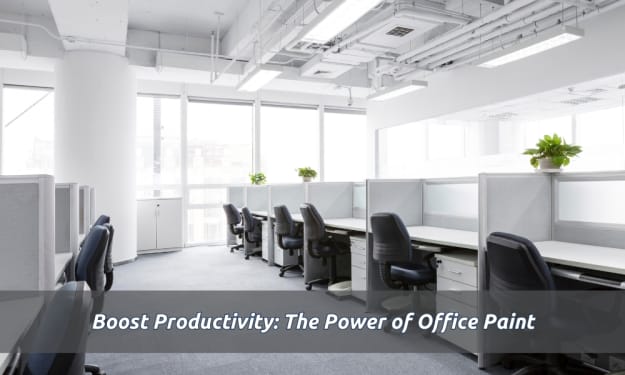
Boost Productivity: The Power of Office Paint
Have you ever walked into an office that felt more like a dreary dungeon than an innovation hub? Where the beige walls seemed to suck the life out of everyone, and motivation was as scarce as parking spots? Let's be honest: a dull, uninspiring workspace can be a significant productivity problem. That's where the often-underestimated power of office paint comes in. It can be more than just a formality; it becomes a strategic investment in the well-being of your staff and your bottom line to improve your office's environment with excellent, quality office painting. Read on to explore how the psychology of colour, clever use of colour, and even the finishes on the paints can affect output, creativity, and general workplace happiness. We'll look into how to pick the right colours for different work zones beyond merely just colour and provide working tips to plan your office paint project for the next quarter.
By Evelyn Heardabout a year ago in Journal
Don't Miss The Fun Extras Offered by Your Favorite Companies
National retailers know the way to a customer’s heart is by giving them a little something extra. Many companies offer customers incentives such as free goodies, sample boxes, and workshops. The problem is that many of the offers aren’t widely advertised. Are you missing out on cool extras from your favorite companies?
By Criminal Mattersa day ago in Lifehack
“I Charged My Old Phone After 5 Years… And Found a Message That Was Never Meant for Me.”
Sometimes the past hides quietly in places we forget. For me, it was inside an old phone. Five years ago, I bought a new smartphone and threw my old one into a drawer. At that time, it felt useless. The battery was weak, the screen had scratches, and the phone was slow compared to modern devices.
By Muhammad Tanveerabout 10 hours ago in Lifehack
Lycan Lore
As the students of my 10am mythology class take their seats, I decide to steer the day's curriculum away from Greek and dive into a Western European discourse on the misaligned beliefs of the Werewolf. A tale of truth or fiction. No one really knows.
By Lamar Wigginsabout 11 hours ago in Fiction


Comments
There are no comments for this story
Be the first to respond and start the conversation.