
What Every Home and Business Owner Should Know About Flood Damage?
Understanding the realities of water damage and how to respond before, during, and after it happens

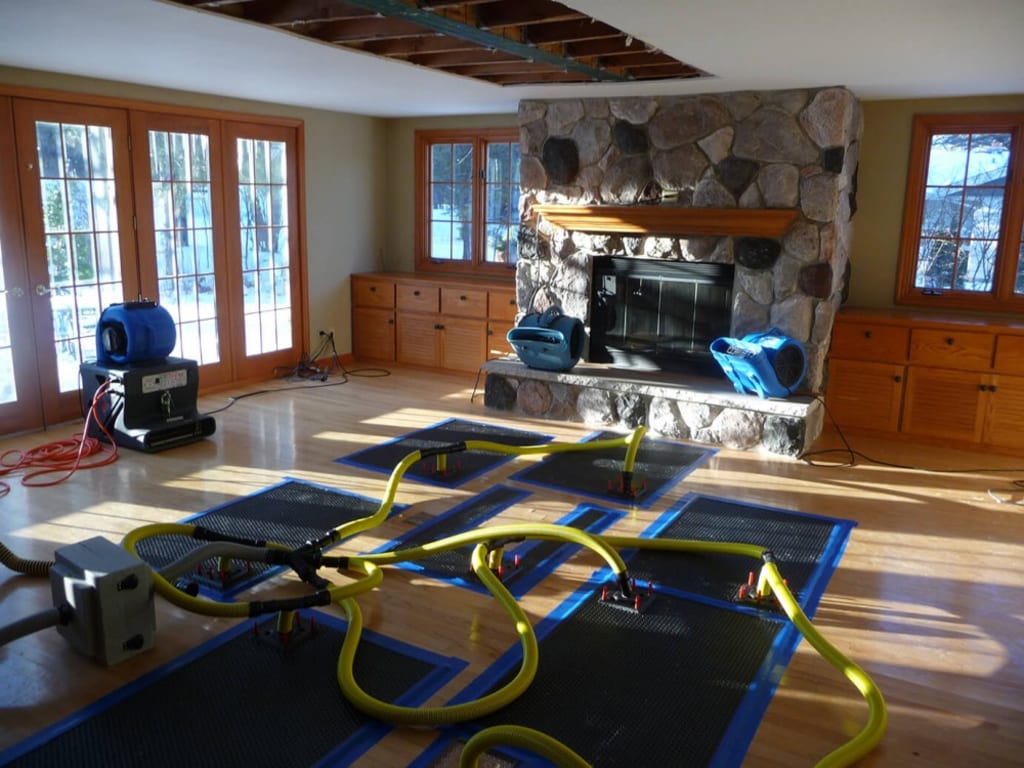
There’s something unsettling about water where it doesn’t belong.
It might start as a small puddle in the basement after a heavy rain. Or maybe it’s a slow leak behind a wall that goes unnoticed for weeks. In some cases, it’s sudden—a pipe bursts, a storm hits, or a drainage system fails overnight. No matter how it begins, water damage has a way of turning ordinary spaces into stressful situations almost instantly.
Across the United States, this isn’t a rare occurrence—it’s a widespread one. In fact, studies suggest that nearly 98% of basements will experience some form of water damage during their lifetime. And every single day, thousands of homeowners deal with water-related issues, making it one of the most common and costly problems people face.
For homeowners and business owners alike, understanding how water damage happens—and what to do about it—can make all the difference.
The Growing Reality of Flood Risks in the U.S.
In recent years, flooding has become more frequent and more expensive. Severe weather events, aging infrastructure, and rapid urban development have all contributed to the problem.
According to recent data, flooding impacts millions of properties, and the financial toll is staggering—costing the U.S. economy anywhere between $179 billion and $496 billion annually.
Recent news reports highlight just how serious the situation has become. In 2025 alone, multiple flood events across the country caused billions in damage, displacing families and disrupting businesses. In Texas, for example, catastrophic flooding resulted in tens of billions of dollars in losses and exposed how unprepared many communities were.
Even more concerning is the trend: extreme weather events are increasing. The U.S. recorded 23 separate billion-dollar disasters in 2025, many of them linked to storms and flooding.
This means that water damage is no longer just a “coastal problem.” Inland areas—including places like Arlington, Virginia—are increasingly at risk due to heavy rainfall, drainage issues, and urban runoff.
How Water Damage Actually Happens
Water damage doesn’t always come from dramatic floods. In many cases, it begins quietly.
Some of the most common causes include:
- Burst or leaking pipes
- Faulty appliances (like washing machines or dishwashers)
- Roof leaks or poor insulation
- Blocked gutters or drainage systems
- Heavy rain leading to basement seepage
- Sewer backups
Even something as simple as poor grading around a home—where water flows toward instead of away from the foundation—can lead to long-term issues.
Once water enters a structure, it spreads quickly. It seeps into floors, walls, and insulation, often reaching places that aren’t immediately visible. Within 24 to 48 hours, moisture can lead to mold growth, which introduces additional health concerns.
Why Basements Are Especially Vulnerable
If there’s one place where water problems tend to show up first, it’s the basement.
A flooded basement is more than just an inconvenience—it can damage structural components, destroy belongings, and create long-term air quality issues. In many U.S. homes, basements are built below ground level, making them naturally prone to water intrusion.
News insights from housing experts also suggest that many basement water issues are caused by poor drainage rather than major structural failures, meaning they often start small but worsen over time if ignored.
For property owners in areas like Arlington, VA, where seasonal rain and urban density intersect, issues such as a flooded basement Arlington VA scenario are not uncommon—especially during heavy storms.
The Hidden Impact on Health and Property
Water damage isn’t just about visible destruction. Its hidden effects can be just as serious.
Damp environments create the perfect conditions for mold and bacteria. Exposure to these conditions has been linked to respiratory issues, allergies, and other health concerns—particularly for children and older adults.
Beyond health risks, there’s also the financial impact:
- Repair costs can range from minor fixes to major reconstruction
- Insurance claims can increase premiums
- Businesses may face downtime and lost revenue
For commercial properties, even a short disruption can lead to significant losses—not just financially, but in customer trust.
Why Quick Action Matters
One of the most important things to understand about water damage is how quickly it escalates.
What starts as a small issue can turn into a major problem within hours. Materials like drywall, wood, and carpet absorb water rapidly, weakening structural integrity and increasing the risk of mold.
This is where the concept of water damage restoration becomes essential—not as a service promotion, but as a process. It involves:
- Removing excess water
- Drying affected areas thoroughly
- Cleaning and sanitizing surfaces
- Repairing or replacing damaged materials
The sooner this process begins, the better the outcome tends to be.
Prevention: What You Can Do Before It Happens
While not all water damage can be prevented, many cases can be minimized with simple steps.
Here are a few practical measures:
- Maintain gutters and downspouts to ensure proper drainage
- Inspect your roof regularly for leaks or damage
- Seal cracks in foundations and walls
- Install a sump pump in flood-prone areas
- Check plumbing systems periodically for leaks
- Ensure proper grading around your property
For businesses, additional steps like regular inspections and emergency preparedness plans can reduce downtime in case of an incident.
A Changing Future: Why Awareness Matters More Than Ever
Water damage is no longer just a seasonal inconvenience—it’s part of a broader shift in environmental and urban conditions.
Studies show that flood risks are expanding, and many homeowners underestimate their vulnerability. In fact, a large percentage of Americans believe they’re not at risk—even when they are.
At the same time, climate patterns are becoming more unpredictable, increasing the likelihood of sudden and severe weather events.
This makes awareness one of the most powerful tools property owners have.
Final Thoughts
Water has a way of reminding us how quickly things can change.
Whether it’s a slow leak or a sudden flood, the impact goes beyond physical damage—it disrupts routines, creates stress, and often arrives without warning. But with the right knowledge and preparation, it’s possible to reduce the damage and recover more effectively.
For homeowners and business owners alike, staying informed isn’t just helpful—it’s essential.
Because when it comes to water, it’s not just about reacting to the problem. It’s about being ready before it happens.
FAQs
1. What should I do first if I discover water damage?
Turn off the water source if possible, disconnect electricity in affected areas (if safe), and begin removing excess water. Acting quickly helps reduce long-term damage.
2. How long does it take for mold to grow after water damage?
Mold can begin developing within 24 to 48 hours in damp conditions, which is why quick drying is critical.
3. Is water damage covered by insurance?
It depends on the cause. Sudden incidents like burst pipes are often covered, while gradual damage or flooding may require separate policies.
4. Why are basements more likely to flood?
Basements are below ground level, making them more vulnerable to groundwater seepage, poor drainage, and heavy rainfall.
5. Can small leaks really cause serious damage?
Yes. Even minor leaks can lead to mold growth, structural weakening, and costly repairs if left untreated.
6. How can businesses prepare for water damage?
Regular inspections, proper drainage systems, emergency response plans, and staff awareness can significantly reduce risks.
7. Is flooding becoming more common in the U.S.?
Yes. Recent data shows an increase in severe weather events and flood-related damages across the country.
About the Creator
Teri Estes
I am Manager at FloodTech USA, a certified restoration company specializing in water damage, mold remediation, and fire restoration. I enjoy sharing helpful insights about home protection and recovery.
Keep reading
More stories from Teri Estes and writers in Lifehack and other communities.
Finding the Right Shoes for Spring: Comfort, Style, and Everyday Practicality
As winter loosens its grip and spring begins to take over, the shift isn’t just visible in blooming trees or longer days—it quietly reshapes our daily habits too. Layers get lighter, routines move outdoors, and somewhere along the way, footwear becomes more important than we expect.
By Teri Estesa day ago in Lifehack
How to Choose a Survival Kit That Actually Holds Up in the Field
Choosing a survival kit is more complicated than people realize. While there are some aspects that never change from kit to kit, there are a wide variety of survival kits out there. This means varying quality and performance.
By William Powell3 days ago in Lifehack
GRANDMA NELSON
Daddy pulled off the interstate, and I saw the all familiar red barn, and I knew we had arrived at Grandma Nelson's farm. I always had mixed feelings about seeing my Grandmother. It seemed she had as many Grandchildren as the old Mother in the shoe nursery rhyme. I saw her as different, but that is not why I hestiated. The truth be known I always got in trouble at her house, and ended up sitting in the car after I had been scolded.
By Susan Payton4 days ago in Fiction


Comments
There are no comments for this story
Be the first to respond and start the conversation.