
10 Weird Things Your Cat Does – Surprising Feline Quirks Explained
Discover the Strange, Funny, and Fascinating Behaviors of Your Cat

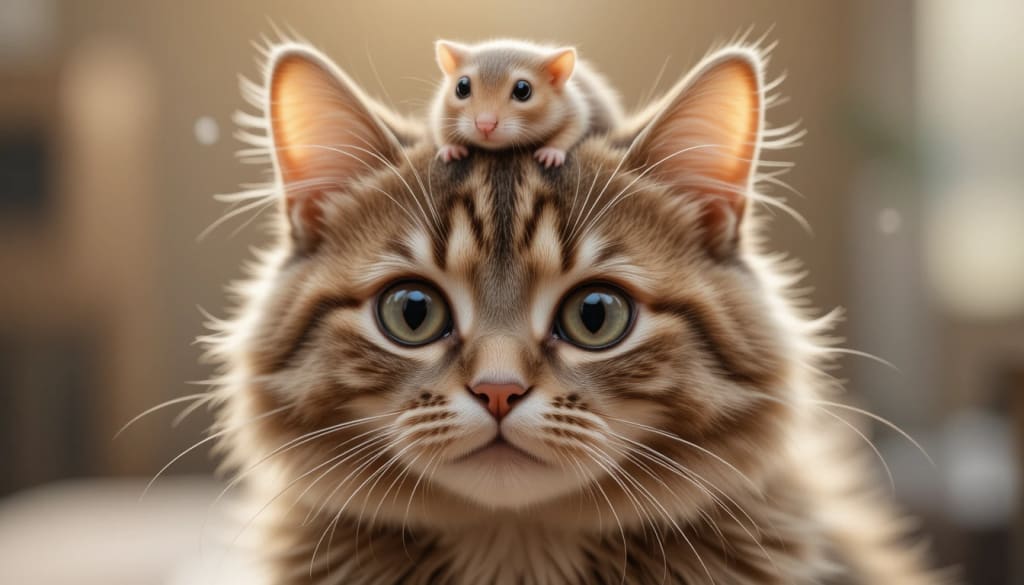
Cats are full of surprises. They can be elegant, mysterious, and loving one moment, and completely unpredictable the next. Every cat has unique quirks, but certain behaviors are surprisingly common across felines. While some actions may seem strange or even nonsensical to humans, they often have logical explanations rooted in instinct, communication, or pure feline eccentricity. Here are 10 weird things your cat does and why.
1. Chasing Invisible Prey
Many cats will suddenly sprint across the room, leap onto furniture, or paw at seemingly empty space. This “phantom hunting” behavior is tied to their predatory instincts. Cats are wired to detect motion, and even subtle air currents, shadows, or dust particles can trigger this response. Indoor cats often don’t have real prey to hunt, so they create imaginary targets to satisfy their natural hunting drive.
2. Kneading Your Lap
Also known as “making biscuits,” cats push their paws rhythmically into soft surfaces, including your lap. While it may look cute or strange, kneading originates from kittenhood, when they stimulated milk flow from their mothers. In adulthood, kneading is a sign of comfort, contentment, and marking their territory with scent glands in their paws.
3. Zoomies (Sudden Burst of Energy)
Cats often run around the house at lightning speed for no apparent reason. These frantic bursts, known as “zoomies,” are usually harmless and may occur after a nap, feeding, or play session. Zoomies allow cats to burn off energy, mimic hunting behavior, and relieve stress. It’s their way of turning pent-up energy into playful exercise.
4. Bringing “Gifts”
Cats sometimes present dead insects, small toys, or other odd objects as gifts. While it may be gross to humans, this behavior is rooted in instinct. In the wild, cats bring prey to family members as a form of sharing or teaching hunting skills. Domestic cats extend this behavior to humans, whom they see as part of their social group. It’s a strange, but endearing, expression of care.
5. Head-Butting You
Cats often nuzzle or head-butt humans to show affection. This behavior, called “bunting,” is a combination of social bonding and scent-marking. Cats have scent glands on their heads, and by pressing against you, they mark you as “safe” and part of their group. While it may feel weird at first, it’s a clear sign of trust and attachment.
6. Staring at Nothing
Have you ever noticed your cat staring at a blank wall or ceiling corner for minutes? Cats’ vision and hearing are far more acute than ours, so they may detect subtle movements, light reflections, or tiny noises that escape human notice. Sometimes, it’s simply curiosity or alertness to the environment. Occasionally, it’s just a cat zoning out, but always with intense focus.
7. Sleeping in Strange Positions
Cats are incredibly flexible, and their sleeping positions can appear absurd. From upside-down contortions to sprawled limbs over the edge of furniture, these positions help cats regulate body temperature, feel secure, or stretch muscles. Odd sleeping postures may look funny or uncomfortable to humans, but they are completely normal for felines.
8. Chattering at Birds or Windows
Many cats make a chattering or chirping sound when watching birds, squirrels, or other animals outside. This weird vocalization is believed to be a combination of excitement, frustration, and predatory instinct. Cats may mimic the sounds of prey, prepare their jaw muscles for a strike, or express their eagerness to hunt in a safe, indoor environment.
9. Random Zoom-and-Stop or Freezing Mid-Move
Cats sometimes stop mid-step or freeze in the middle of a zoom or exploration. This behavior often reflects hunting instincts—they are alert to potential threats or prey. Even in a safe home environment, their brains are wired to scan for changes and plan calculated movements. Humans may find it strange, but it’s a natural instinctual behavior for survival.
10. Bringing You to Their Favorite Spots
Some cats lead their humans to a specific place, like their bed, a favorite sunbeam, or a new hiding spot. This behavior can be puzzling, but cats often do this to share comfort, direct attention, or indicate that they want company in that space. It’s a subtle way of engaging socially while remaining in control of their environment.
Cats may seem quirky, mysterious, or even confusing at times, but their behaviors often have deep roots in instinct, communication, and social bonding. From phantom hunting to chattering at birds, kneading laps, or sleeping upside-down, every odd action reveals something about your cat’s personality, preferences, and emotional state. Observing and understanding these behaviors helps you appreciate your feline companion’s unique charm and strengthens the human-cat bond
About the Creator
Algieba
Curious observer of the world, exploring the latest ideas, trends, and stories that shape our lives. A thoughtful writer who seeks to make sense of complex topics and share insights that inform, inspire, and engage readers.
Wisteria Woo RIP
Wisteria Woo Silver~Rhodesian Ridgeback Cane Corso mix~ 7.19.15-3.2.26 My service dog, Wisteria, had been slowing down, having mysterious health symptoms like severe hives and unexplained injury. She went to the vet last month, but unfortunately, not all tests detect all problems. When we returned to the vet yesterday, upon much more concerning symptoms suddenly appearing, we learned she had a very large mass (10inx10in) likely the very aggressive hemangiosarcoma, and that we would only be buying a few months if we went through with treatment.
By K.B. Silver 23 days ago in Petlife
Complete Guide to Pet Vaccinations: What Every Owner Should Know
Keeping your pet healthy involves more than just good nutrition and regular exercise. Vaccinations are one of the most important steps in protecting your furry companion from serious and potentially life-threatening diseases. Whether you have a playful puppy, a curious kitten, or an adult pet, understanding vaccination schedules and their importance is essential. For pet owners looking for reliable pet vaccinations Columbia, staying informed helps ensure long-term wellness.
By Animal Mansion Veterinary Hospital2 days ago in Petlife
We Will Bury You
How do you deal with the vast disappointment and anger and rage and grief and rage and RAGE and RAGE and RAGE when a community icon, who did so much to help your gente, is found to be the type of monster that still makes me believe in capital punishment?
By Ariana GonBon6 days ago in Humans




Comments
There are no comments for this story
Be the first to respond and start the conversation.