
Cat Ear Cleaning Without the Struggle: Step-by-Step Guide Plus When to See a Vet
A Calm, Safe Approach to Keeping Your Cat’s Ears Clean—Without Stress, Scratches, or Guesswork

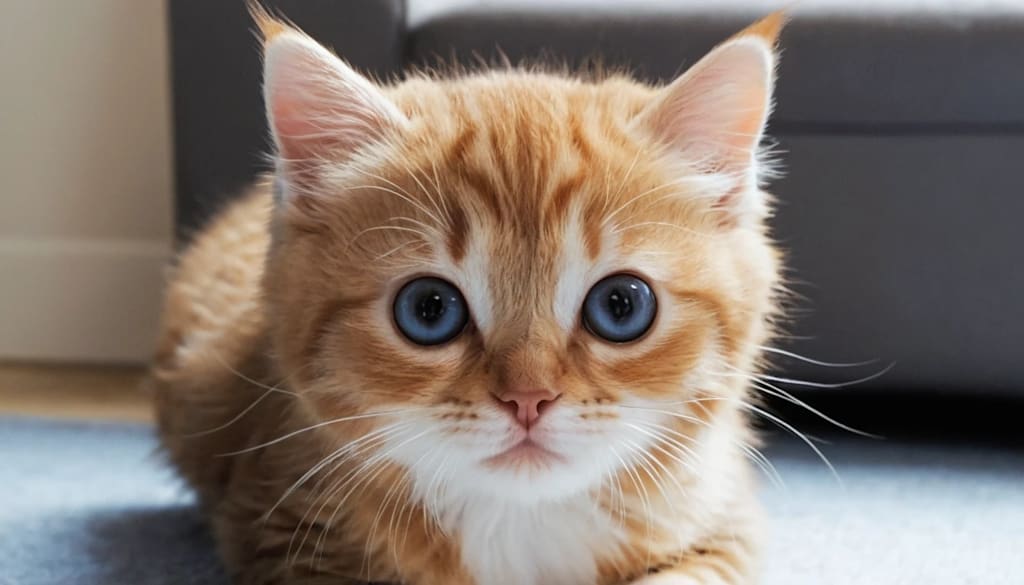
For many cat owners, ear cleaning sits somewhere between “intimidating” and “completely avoided.” It’s not that you don’t care—it’s that the moment you try, your cat resists, twists, or escapes, leaving you wondering whether it’s even necessary.
Here’s the grounded truth: most cats rarely need ear cleaning—but when they do, doing it properly is essential. Poor technique can cause discomfort, push debris deeper, or even lead to injury. On the other hand, a calm, informed approach can turn this task into something quick, controlled, and surprisingly manageable.
This guide doesn’t just show you how to clean your cat’s ears—it teaches you how to do it without creating stress, fear, or long-term resistance.
Why Ear Health Matters More Than You Think
A cat’s ears are delicate, complex structures. Beyond hearing, they play a major role in balance and spatial awareness. Even minor irritation can affect your cat’s comfort, mood, and behavior.
Untreated ear issues can lead to:
• Chronic infections
• Pain and sensitivity
• Hearing problems
• Balance disturbances
• Behavioral changes due to discomfort
The challenge? Cats rarely show obvious signs until the problem has progressed.
That’s why awareness—not over-cleaning—is your strongest advantage.
Understanding the Feline Ear
To clean safely, you need a basic understanding of what you’re working with.
A cat’s ear canal is shaped like an “L.” This means:
• Debris can collect deep inside
• You cannot see the full canal from the outside
• Inserting objects (like cotton swabs) is risky
The ear also has natural defenses:
• Wax traps dirt and particles
• The ear self-cleans through natural movement
Your role is not to “deep clean”—it’s to support this natural system when it gets overwhelmed.
Do Cats Naturally Clean Their Own Ears?
Yes—most of the time.
Cats are meticulous groomers. While they can’t fully clean inside their ears, their grooming habits help maintain overall hygiene. Combined with the ear’s natural mechanisms, this means:
A healthy cat usually does not need routine ear cleaning.
This is where many owners go wrong—they clean too often, disrupting the natural balance and causing irritation.
Subtle Signs of Ear Discomfort (That Most Owners Miss)
Before obvious symptoms appear, cats often show small behavioral changes:
• Slight head tilting when resting
• Brief ear scratching that becomes more frequent
• Mild sensitivity when you touch the ears
• Reduced tolerance for handling
• Shaking the head once or twice—not constantly
These early signals are your window to act before the problem escalates.
When Cleaning Helps—and When It Doesn’t
Let’s draw a clear line.
Cleaning Can Help When:
• There is mild, visible wax buildup
• The cat shows light irritation but no severe symptoms
• There is no strong odor or discharge
Cleaning Will NOT Solve:
• Infections
• Ear mites
• Allergic reactions
• Deep inflammation
Trying to “clean away” a medical issue delays proper treatment.
The Psychology of a Stress-Free Cleaning
This is where most guides fall short.
Cats don’t resist ear cleaning because they’re difficult—they resist because:
• Their ears are sensitive
• They feel restrained or threatened
• They don’t understand what’s happening
Your goal is not just to clean—it’s to reduce perceived threat.
Key Principles:
• Slow movements
• Minimal restraint
• Predictable steps
• Positive reinforcement
If you get this right, everything else becomes easier.
Advanced Preparation Techniques (That Make a Huge Difference)
Before you even start cleaning, you can dramatically improve your chances of success.
1. Desensitization Training
Spend a few days doing this:
• Gently touch your cat’s ears during calm moments
• Lift the ear flap briefly
• Reward immediately
No cleaning—just familiarity.
This reduces resistance when you actually perform the task.
2. Scent Familiarity
Let your cat smell the cleaning solution beforehand.
Why it works:
• Reduces fear of unknown smells
• Builds curiosity instead of avoidance
3. Positioning Strategy
Instead of chasing your cat, let them settle naturally.
Best positions:
• On your lap while relaxed
• Next to you on a couch
• Wrapped loosely in a towel if needed
Control comes from positioning—not force.
Step-by-Step Cleaning (Expanded and Refined)
Now let’s walk through a smoother, more controlled process.
Step 1: Set the Tone
Before touching your cat:
• Speak softly
• Move slowly
• Keep your breathing steady
You’re signaling safety.
Step 2: Gentle Stabilization
Instead of gripping:
• Rest your hand lightly under the chin or side of the head
• Keep movements fluid, not rigid
This reduces panic.
Step 3: Controlled Application
When applying solution:
• Aim for the entrance, not deep insertion
• Use a steady, gentle squeeze
• Avoid sudden movements
Confidence matters—hesitation can make cats uneasy.
Step 4: Effective Massage
Massage isn’t optional—it’s essential.
• Use gentle circular motions
• Focus on the base of the ear
• Keep pressure light but consistent
This is what actually loosens debris.
Step 5: Controlled Release
Let your cat shake—but stay nearby.
Why:
• Prevents sudden escape
• Allows you to continue calmly afterward
Step 6: Precision Cleaning
When wiping:
• Use soft, controlled motions
• Focus only on visible areas
• Stop if your cat becomes uncomfortable
Less is more.
Step 7: Reinforce Calm Behavior
Reward immediately—even if the session wasn’t perfect.
You’re building long-term cooperation, not aiming for one flawless session.
How to Handle a Difficult Cat (Realistically)
Some cats will resist no matter what—and that’s normal.
What Actually Works:
• Break the process into short sessions
• Clean one ear at a time
• Stop before escalation
• Try again later
What Doesn’t Work:
• Forcing completion
• Holding too tightly
• Rushing
If every session becomes a battle, you’re training your cat to fear it.
Understanding Ear Conditions (So You Don’t Guess Wrong)
Let’s make this practical.
Ear Mites
• Dark, coffee-ground debris
• Intense itching
• Highly contagious
Bacterial or Yeast Infections
• Strong odor
• Yellow, brown, or green discharge
• Red, inflamed ear canal
Allergies
• Recurring irritation
• Mild discharge
• Often affects both ears
Each of these requires specific treatment—not just cleaning.
When to Seek Veterinary Care Immediately
Don’t wait if you see:
• Pain when touching the ear
• Swelling or heat
• Persistent scratching
• Loss of balance
• Head tilting that doesn’t resolve
These are not minor issues.
Long-Term Prevention Strategy
The smartest approach is simple and consistent.
Weekly:
• Quick visual check
Monthly:
• Light cleaning only if needed
Ongoing:
• Monitor behavior changes
This prevents escalation without over-intervention.
Building Trust Over Time
This is the part that pays off long-term.
Cats remember experiences.
If ear cleaning is:
• Calm
• Predictable
• Rewarded
It becomes manageable.
If it’s chaotic or forced, resistance increases every time.
You’re not just cleaning ears—you’re shaping behavior.
A Practical Routine You Can Stick To
Keep it simple:
• Choose a consistent day
• Keep sessions short (2–3 minutes)
• Reward every time
• Stop early if needed
Consistency beats intensity.
The Real Goal
Let’s be clear—your goal is not perfectly clean ears.
Your goal is:
• A calm cat
• Healthy ears
• Early detection of problems
Everything else is secondary.
Cat ear cleaning doesn’t have to be stressful—for you or your cat. With the right mindset, preparation, and technique, it becomes a controlled, low-impact part of your care routine.
The key is knowing when to act—and when not to.
Clean gently when needed. Stop when something seems wrong. And rely on veterinary care when the situation goes beyond basic maintenance.
Your cat won’t understand the process.
But they will understand how it feels.
Make it calm, make it safe—and it will work.
About the Creator
Algieba
Curious observer of the world, exploring the latest ideas, trends, and stories that shape our lives. A thoughtful writer who seeks to make sense of complex topics and share insights that inform, inspire, and engage readers.
Wisteria Woo RIP
Wisteria Woo Silver~Rhodesian Ridgeback Cane Corso mix~ 7.19.15-3.2.26 My service dog, Wisteria, had been slowing down, having mysterious health symptoms like severe hives and unexplained injury. She went to the vet last month, but unfortunately, not all tests detect all problems. When we returned to the vet yesterday, upon much more concerning symptoms suddenly appearing, we learned she had a very large mass (10inx10in) likely the very aggressive hemangiosarcoma, and that we would only be buying a few months if we went through with treatment.
By K.B. Silver 29 days ago in Petlife
Common Rabbit Stress Symptoms and How to Fix Them
Here we will discuss the signs of stress in rabbits… Is your rabbit feeling a little stressed? This might be the right time to get check your Rabbit is feeling stressed or not. For sure there is something you need to think about. It is important to be aware about your rabbit is happy and healthy. It is because rabbits can feel stressed like people do.
By Rabbits Advisor7 days ago in Petlife



Comments
There are no comments for this story
Be the first to respond and start the conversation.