
Cat Hydration Hacks: Why Many Cats Are Chronically Dehydrated and Easy Fixes
Simple, Science-Backed Ways to Help Your Cat Drink More Water and Stay Healthy

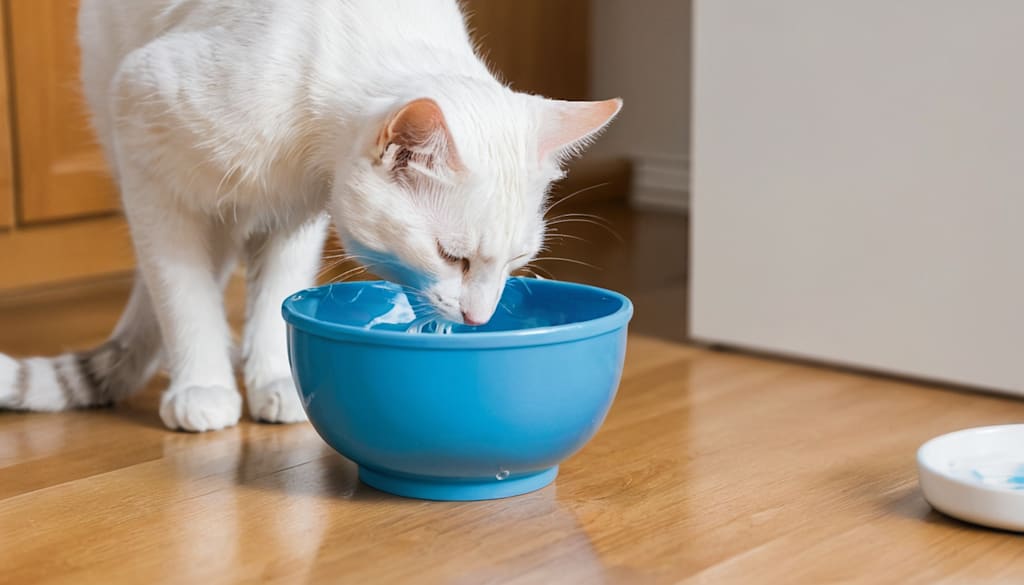
Cats have a reputation for being low-maintenance pets, but when it comes to hydration, they are anything but simple. Many domestic cats live in a state of chronic mild dehydration, a condition that often goes unnoticed until it contributes to more serious health issues such as kidney disease, urinary tract problems, and digestive discomfort.
Unlike dogs or humans, cats do not naturally drink large amounts of water. Their instincts, shaped by thousands of years of evolution, still reflect their desert-dwelling ancestors. While this adaptation once helped them survive in arid environments, it can create problems in modern indoor living.
The good news? With a few smart adjustments, you can dramatically improve your cat’s hydration—and, by extension, their overall health and longevity.
Why Cats Are Prone to Dehydration
1. Evolutionary Background
Domestic cats descended from desert animals that obtained most of their moisture from prey rather than drinking water directly. Their bodies are designed to conserve water efficiently, which means they often don’t feel thirsty until dehydration has already begun.
2. Low Thirst Drive
Cats have a naturally weak thirst response compared to other animals. Even when water is readily available, many cats simply don’t drink enough to meet their needs.
3. Dry Food Diets
One of the biggest modern contributors to dehydration is dry kibble. Dry food contains only about 8–10% moisture, whereas a cat’s natural prey diet contains around 70–80% water. Cats eating primarily dry food must compensate by drinking more—but most don’t.
4. Behavioral Preferences
Cats are particular about water. Factors like location, freshness, bowl material, and even subtle odors can influence whether they drink.
Signs Your Cat May Be Dehydrated
Chronic dehydration is often subtle. Watch for:
• Lethargy or reduced energy
• Dry or sticky gums
• Decreased skin elasticity
• Reduced appetite
• Dark or strong-smelling urine
• Constipation
• Increased risk of urinary crystals or infections
More severe dehydration may require immediate veterinary attention, but mild dehydration is far more common—and preventable.
Why Hydration Matters So Much
Water is essential for nearly every bodily function. In cats, proper hydration supports:
Kidney Health
Cats are especially prone to kidney disease, particularly as they age. Adequate hydration helps the kidneys filter waste more effectively and reduces strain over time.
Urinary Tract Function
Dehydration leads to concentrated urine, increasing the risk of urinary crystals, stones, and infections. These conditions can become life-threatening if not managed.
Digestion
Water aids in nutrient absorption and prevents constipation, a common issue in under-hydrated cats.
Overall Vitality
Well-hydrated cats tend to have more energy, healthier coats, and better overall well-being.
Cat Hydration Hacks That Actually Work
Let’s get practical. These are the strategies that make a real difference.
1. Switch to Wet Food (Even Partially)
This is the single most effective change you can make.
Wet food dramatically increases your cat’s water intake without requiring them to drink more. Even replacing just one meal per day with wet food can significantly improve hydration.
Pro tip: If your cat resists the change, transition gradually by mixing wet and dry food over several days.
2. Add Water to Food
An easy upgrade: simply mix water into your cat’s meals.
• Add a few tablespoons of warm water to wet food
• Create a “soupy” consistency many cats enjoy
• Enhance aroma, making food more appealing
This method is especially useful for picky eaters.
3. Use a Cat Water Fountain
Cats are naturally drawn to moving water. In the wild, running water is safer and fresher than stagnant sources.
A water fountain can:
• Encourage more frequent drinking
• Keep water oxygenated and fresh
• Appeal to your cat’s instincts
Many owners notice an immediate increase in water consumption after introducing a fountain.
4. Provide Multiple Water Stations
Location matters more than you think.
Place water bowls:
• In quiet, low-traffic areas
• Away from litter boxes
• Separate from food (many cats prefer this)
• On different levels of your home
More options increase the likelihood your cat will drink throughout the day.
5. Experiment with Bowl Types
Cats can be surprisingly picky about their bowls.
Try:
• Ceramic or stainless steel (avoid plastic, which can retain odors)
• Wide, shallow bowls to prevent whisker fatigue
• Clean bowls daily to maintain freshness
Sometimes a simple bowl change can solve a hydration problem.
6. Flavor the Water (Carefully)
Adding subtle flavor can make water more appealing.
Safe options include:
• A splash of tuna water (unsalted)
• Low-sodium chicken broth (no onions or garlic)
Use this occasionally—not as a permanent replacement—to avoid creating dependency.
7. Keep Water Fresh at All Times
Cats prefer clean, cool water.
• Change water at least once daily
• Wash bowls regularly
• Avoid placing water near strong odors
Stale or dusty water is often ignored, even if your cat is thirsty.
8. Offer Ice Cubes as Enrichment
Some cats enjoy playing with or licking ice cubes.
• Drop a cube into their bowl
• Use flavored ice (like diluted broth) for added interest
This adds both hydration and mental stimulation.
9. Monitor and Track Intake
You don’t need exact measurements, but awareness matters.
• Observe how often your cat visits water sources
• Notice changes in urination habits
• Watch for signs of improvement when you introduce new strategies
Consistency helps you identify what works.
10. Adjust for Age and Health
Older cats and those with medical conditions need extra support.
• Senior cats are more prone to dehydration
• Cats with kidney or urinary issues require consistent hydration
• Consult a veterinarian for tailored recommendations
Hydration becomes even more critical with age.
Common Mistakes to Avoid
Let’s be honest—some well-meaning habits can backfire.
Relying Only on Dry Food
This is the biggest one. Dry diets alone rarely provide sufficient hydration.
Ignoring Subtle Signs
Cats won’t “tell” you they’re dehydrated. Small behavioral changes matter.
Assuming One Solution Fits All
Each cat has preferences. What works for one may not work for another.
Neglecting Cleanliness
Dirty bowls or stale water can discourage drinking entirely.
A Practical Daily Hydration Routine
If you want a simple system that works, here’s a solid baseline:
• Morning: Serve wet food with added water
• Midday: Ensure fresh water in multiple locations
• Evening: Offer another wet or mixed meal
• Weekly: Clean bowls thoroughly and refresh water stations
• Ongoing: Observe behavior and adjust as needed
It doesn’t need to be complicated—just consistent.
The Long-Term Payoff
Improving your cat’s hydration isn’t just about preventing problems—it’s about enhancing quality of life.
Well-hydrated cats often show:
• Better digestion
• Healthier urinary systems
• Improved energy levels
• Shinier coats
• Reduced risk of chronic disease
These changes may be gradual, but they are meaningful.
The Reality Most Owners Miss
Here’s the uncomfortable truth: many cats live their entire lives slightly dehydrated, and their owners never realize it.
Because the signs are subtle, dehydration often goes unnoticed until it contributes to serious conditions like kidney disease. By then, the focus shifts from prevention to management.
You can break that pattern.
Cats may not ask for water, but they absolutely need it. Their low thirst drive, combined with modern indoor lifestyles and dry diets, creates a perfect storm for chronic dehydration.
The solution isn’t complicated—it’s intentional.
By incorporating simple hydration hacks like wet food, water fountains, multiple bowls, and fresh water routines, you can dramatically improve your cat’s health without stress or complexity.
Small changes, done consistently, make a lifelong difference.
Your cat won’t tell you they feel better—but you’ll see it.
About the Creator
Algieba
Curious observer of the world, exploring the latest ideas, trends, and stories that shape our lives. A thoughtful writer who seeks to make sense of complex topics and share insights that inform, inspire, and engage readers.
Wisteria Woo RIP
Wisteria Woo Silver~Rhodesian Ridgeback Cane Corso mix~ 7.19.15-3.2.26 My service dog, Wisteria, had been slowing down, having mysterious health symptoms like severe hives and unexplained injury. She went to the vet last month, but unfortunately, not all tests detect all problems. When we returned to the vet yesterday, upon much more concerning symptoms suddenly appearing, we learned she had a very large mass (10inx10in) likely the very aggressive hemangiosarcoma, and that we would only be buying a few months if we went through with treatment.
By K.B. Silver 29 days ago in Petlife
What Are Peacock Cichlid Types? Complete Guide to Varieties, Colors & Care
Peacock cichlid types are different species and color variants of Aulonocara fish from Lake Malawi, known for their vibrant colors and unique patterns. They are popular because they add stunning visual appeal to aquariums and are relatively easier to manage than aggressive cichlids.
By kenna broukeabout 23 hours ago in Petlife


Comments
There are no comments for this story
Be the first to respond and start the conversation.