
Why Cats Hate Water (And How to Bathe Them Anyway)
Discover the Real Reasons Cats Avoid Water and Learn Safe, Stress-Free Ways to Bathe Your Cat at Home

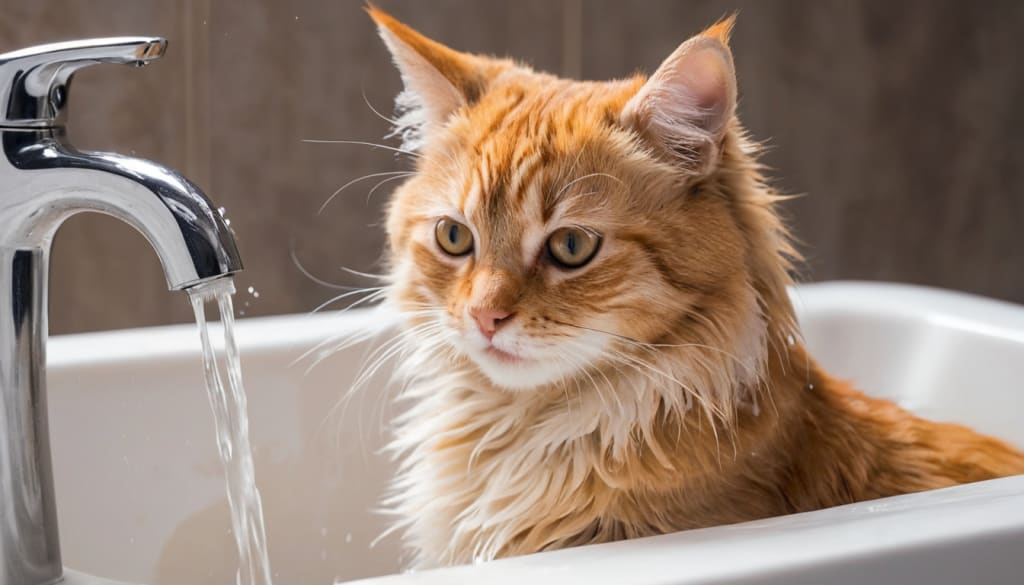
Place a cat near a bathtub, and you may witness a transformation worthy of legend. A calm, graceful creature suddenly becomes a blur of fur, claws, and indignation. Water, to many cats, is not just unpleasant—it is deeply suspicious.
Yet every cat owner eventually faces the same question: if cats hate water so much, how do you bathe them when it becomes necessary?
The answer lies in understanding both their instincts and their sensitivities. Because beneath the dramatic reactions is a surprisingly logical explanation—and with the right approach, even bath time can become manageable.
Let’s begin with the mystery itself.
Why Do Cats Hate Water?
1. Their Fur Isn’t Designed for It
Unlike some animals whose coats repel water, a cat’s fur tends to absorb it. Once soaked, it becomes heavy, cold, and uncomfortable.
Imagine wearing a thick, wet coat that clings to your skin and restricts your movement. That is what water feels like to a cat. It slows them down, interferes with their agility, and leaves them feeling vulnerable.
For an animal that depends on speed and precision, this loss of control is deeply unsettling.
2. It Disrupts Their Temperature Control
Cats are sensitive to temperature changes. Their bodies are finely tuned to maintain warmth, and wet fur interferes with that balance.
Water pulls heat away from their body, making them feel cold and exposed. Even warm water can create discomfort if the environment around them isn’t equally warm and calm.
To a cat, this sudden shift feels wrong—like stepping into a world where the rules no longer apply.
3. They Didn’t Evolve Around Water
Most domestic cats descend from desert-dwelling ancestors. Water was not a central part of their environment, and swimming was not a necessary skill.
Unlike animals that evolved near lakes or rivers, cats developed habits that favored dry terrain. Their instincts are not built around interacting with water, especially not being submerged in it.
So when a cat encounters a bathtub, it isn’t just unfamiliar—it feels unnatural.
4. Lack of Early Exposure
Cats that are introduced to water gently and early in life may tolerate it better. But many cats grow up without any meaningful contact with water beyond drinking it.
When their first real experience involves being suddenly placed in a sink or tub, it can feel overwhelming.
Without gradual exposure, water becomes something unpredictable—and therefore something to avoid.
5. Loss of Control
Cats are creatures of control. They choose where to go, when to move, and how to interact with their surroundings.
Being placed in water removes that control. The surface is slippery, the environment is unfamiliar, and escape routes may feel limited.
This lack of control can trigger panic, even in otherwise calm cats.
6. Strong Sense of Smell
Cats rely heavily on scent. It helps them recognize territory, people, and even themselves.
Shampoos, soaps, and unfamiliar water smells can overwhelm their senses. After a bath, a cat may feel “different” in a way that is difficult for them to process.
This is why some cats immediately groom themselves after being bathed—they are trying to restore their natural scent.
7. Past Negative Experiences
If a cat has ever had a stressful or frightening experience with water, they are unlikely to forget it.
Cats have excellent memory when it comes to discomfort. One bad bath can shape their reaction for years.
This is why a gentle, positive approach is so important—it can prevent fear from taking root.
Do Cats Even Need Baths?
In most cases, cats are excellent self-cleaners. Their grooming habits are thorough and efficient, keeping their fur clean without human intervention.
However, there are situations where a bath becomes necessary:
If your cat gets into something sticky or toxic
If they have fleas or parasites
If they are unable to groom themselves due to age or illness
If they have long fur that becomes matted
If recommended by a veterinarian for skin conditions
In these cases, avoiding water entirely is not always an option. The goal then becomes making the experience as calm and safe as possible.
How to Bathe Your Cat Without Stress
Bathing a cat is less about technique and more about preparation, patience, and reading their behavior.
1. Choose the Right Moment
Timing matters. A cat that is already relaxed or slightly tired will be much easier to handle than one that is energetic or alert.
After a play session is often ideal. Your cat is calmer, less reactive, and more willing to tolerate handling.
2. Prepare Everything in Advance
Before you bring your cat anywhere near water, make sure everything is ready.
Have towels, shampoo, a cup or gentle sprayer, and a non-slip mat in place. The less time your cat spends in the bath, the better.
Preparation turns chaos into choreography.
3. Use Warm, Shallow Water
Fill the sink or tub with a small amount of lukewarm water—just enough to reach your cat’s lower body.
Avoid running water while your cat is in the tub, as the sound can increase anxiety.
Still water feels more predictable and less threatening.
4. Keep a Calm Environment
Your tone and movements matter. Speak softly, move slowly, and avoid sudden actions.
Cats are highly sensitive to energy. If you are tense, they will feel it.
A calm human creates a calmer cat.
5. Introduce Water Gradually
Do not place your cat directly into water without warning. Let them feel it with their paws first.
Gently wet their body using your hands or a cup, starting from the lower areas and working upward. Avoid the face and ears.
Gradual exposure reduces shock and builds tolerance.
6. Use Cat-Specific Shampoo
Human shampoos can irritate a cat’s skin. Always use products designed specifically for cats.
Apply a small amount, lather gently, and rinse thoroughly. Residue can cause discomfort and encourage excessive grooming afterward.
7. Protect the Face and Ears
Avoid pouring water over your cat’s head. Instead, use a damp cloth to gently clean the face if needed.
Water in the ears can lead to irritation or infection, so keep that area dry.
8. Dry Them Properly
Wrap your cat in a soft towel immediately after the bath. Gently pat them dry rather than rubbing aggressively.
If your cat tolerates it, you can use a hairdryer on a low, warm setting—but many cats prefer the quiet comfort of a towel.
Warmth and softness help restore their sense of security.
9. Reward and Reassure
After the bath, offer treats, gentle petting, or a favorite resting spot.
Positive reinforcement helps your cat associate the experience with something good, reducing fear over time.
Alternatives to Full Baths
In some cases, a full bath may not be necessary.
You can use:
Damp cloths for spot cleaning
Cat grooming wipes
Dry shampoos designed for cats
Regular brushing to remove dirt and loose fur
These methods can help maintain cleanliness while avoiding the stress of water.
Can Cats Ever Learn to Like Water?
Some cats do tolerate water, and a few even seem to enjoy it. This often depends on early exposure, personality, and positive experiences.
With patience and gradual introduction, many cats can learn to accept baths without panic.
The goal is not to make your cat love water, but to help them feel safe around it.
Final Thoughts
A cat’s dislike of water is not stubbornness or drama—it is rooted in instinct, biology, and sensitivity.
Understanding this transforms bath time from a battle into a process of cooperation.
With the right approach, what once felt like chaos can become manageable, even calm.
And perhaps, over time, your cat will no longer see water as an enemy—but simply as a strange, temporary inconvenience in an otherwise comfortable world
About the Creator
Algieba
Curious observer of the world, exploring the latest ideas, trends, and stories that shape our lives. A thoughtful writer who seeks to make sense of complex topics and share insights that inform, inspire, and engage readers.
Wisteria Woo RIP
Wisteria Woo Silver~Rhodesian Ridgeback Cane Corso mix~ 7.19.15-3.2.26 My service dog, Wisteria, had been slowing down, having mysterious health symptoms like severe hives and unexplained injury. She went to the vet last month, but unfortunately, not all tests detect all problems. When we returned to the vet yesterday, upon much more concerning symptoms suddenly appearing, we learned she had a very large mass (10inx10in) likely the very aggressive hemangiosarcoma, and that we would only be buying a few months if we went through with treatment.
By K.B. Silver 26 days ago in Petlife
Incredibooks: The Masked Duet Series
So my best friend who loves the crazy world of reverse harem books put me on to this author named Reese Rivers and a two part book series she put together called the “Masked Duet”. The series is made up of two stories titled “Dance Butterfly Dance” and “Burn Butterfly Burn”.
By Joe Patterson7 days ago in BookClub




Comments
There are no comments for this story
Be the first to respond and start the conversation.