
Why Cats Lick You: 6 Surprising Meanings
Discover What It Really Means When Your Cat Licks You and How This Behavior Reveals Love, Trust, and Instinct

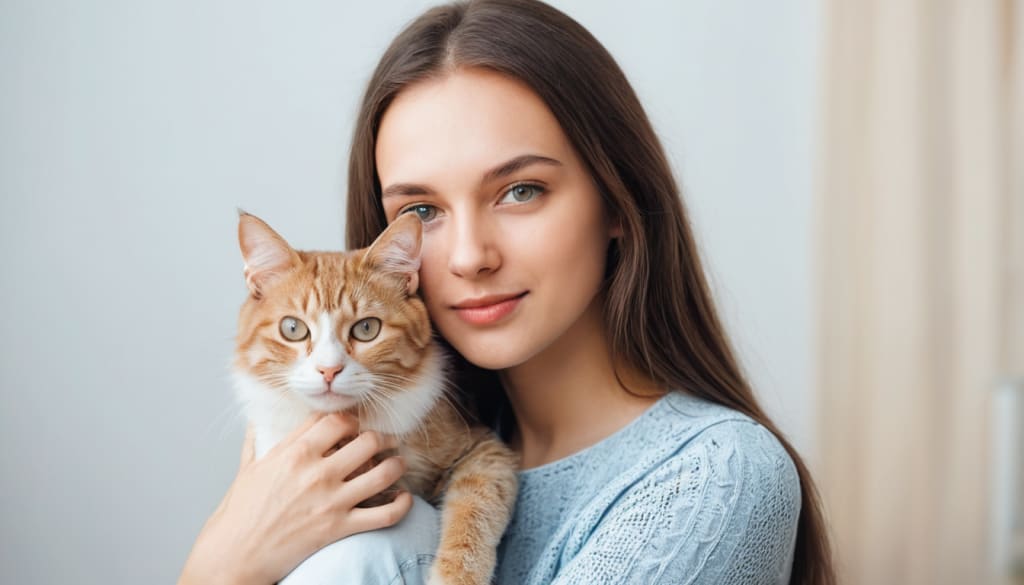
It often begins without warning. You’re sitting quietly, perhaps lost in thought, when suddenly you feel it—a small, rough, rhythmic sensation against your skin. You look down, and there is your cat, completely focused, gently licking your hand as if it were the most natural thing in the world.
It’s a curious behavior. Not painful, not entirely comfortable, but strangely intimate. And like many things cats do, it feels deliberate, almost symbolic.
So why do cats lick their humans? Is it affection, instinct, habit—or something more complex?
The answer is not singular. Each lick carries layers of meaning, shaped by instinct, experience, and the unique bond between you and your cat.
Here are six surprising reasons behind this quiet, sandpaper-like gesture.
1. They’re Showing Affection
At its core, licking is one of the most sincere ways a cat expresses affection.
From the earliest days of life, kittens are groomed by their mother. This grooming is not just about cleanliness—it is about comfort, warmth, and bonding. As they grow, cats often transfer this behavior to those they trust.
When your cat licks you, they may be treating you as part of their inner circle. You are not just a presence in their environment—you are someone they care for.
Unlike dramatic displays of affection, this gesture is subtle. It doesn’t demand attention or recognition. It simply happens, quietly, as a reflection of connection.
2. They’re Marking You as Theirs
Cats rely heavily on scent to understand their world. They mark objects, spaces, and even people with their scent as a way of creating familiarity and security.
While we often think of scent marking as rubbing or head-butting, licking also plays a role.
When your cat licks you, they are depositing their scent, blending it with yours. In their perception, this creates a shared identity—a signal that you belong together in the same safe territory.
It’s not ownership in a controlling sense, but rather a form of inclusion. You are part of their world, and they want that connection to be reinforced.
3. They’re Grooming You
To a cat, grooming is not optional—it is essential. It is how they maintain order, comfort, and self-awareness.
When your cat licks you, they may simply be extending this instinct toward you. Perhaps your skin smells different, or they notice something unusual.
In their mind, they are helping. They are bringing you back into alignment with what feels right to them.
This behavior can be especially common in multi-cat households, where cats groom each other as a way of strengthening social bonds. When directed at you, it means you are part of that social structure.
4. They’re Seeking Comfort
Licking can also be a self-soothing behavior. Just as humans might fidget or repeat small actions when anxious, cats may lick as a way to calm themselves.
If your cat licks you during quiet moments—especially when they seem relaxed or slightly drowsy—it may be a sign that your presence is comforting to them.
You become part of their calming ritual, a steady presence that helps them feel at ease.
In this context, the licking is less about you and more about the emotional state it helps create.
5. They Like the Taste or Texture
Sometimes, the explanation is surprisingly simple.
Your skin carries traces of salt, lotion, soap, or even food residue. Cats are sensitive to taste and texture, and your skin may simply be interesting to them.
The rough surface of their tongue interacts with your skin in a way that can be stimulating, both physically and mentally.
While this reason may lack the emotional depth of others, it often overlaps with them. A cat may begin licking out of curiosity and continue because it feels comforting or familiar.
6. They Learned It as a Habit
Behavior in cats is often shaped by repetition. If licking has ever resulted in a positive outcome—attention, petting, or simply a calm interaction—it may become a habit.
Over time, your cat may associate licking with connection. It becomes part of how they interact with you, a small ritual that repeats without needing a clear trigger.
Habits in cats are powerful. Once established, they can persist for years, becoming part of their personality.
Why a Cat’s Tongue Feels So Rough
If you’ve ever wondered why your cat’s lick feels like fine sandpaper, the answer lies in the structure of their tongue.
A cat’s tongue is covered in tiny, backward-facing barbs called papillae. These structures help them groom effectively, removing dirt, loose fur, and debris from their coat.
When directed at your skin, these same structures create that distinctive rough sensation.
It may feel unusual to you, but for your cat, it is simply how grooming works.
When Licking Becomes Excessive
In most cases, licking is harmless and even endearing. However, excessive licking can sometimes indicate an underlying issue.
If your cat licks you constantly, or if the behavior becomes intense or compulsive, it may be linked to stress or anxiety.
Changes in environment, routine, or social dynamics can influence behavior. In such cases, licking may become a coping mechanism rather than a simple expression of affection.
Observing patterns is important. If the behavior changes suddenly or seems excessive, it may be worth exploring possible causes or consulting a veterinarian.
Should You Let Your Cat Lick You?
For the most part, allowing your cat to lick you is safe. It is a natural behavior and often a positive sign of trust and comfort.
However, if you have sensitive skin or if the licking becomes uncomfortable, you can gently redirect your cat’s attention.
Offering a toy, engaging in play, or simply moving your hand away calmly can help set boundaries without creating stress.
The goal is balance—allowing affection while maintaining comfort for both of you.
Final Thoughts
A cat’s lick is a small gesture, easy to overlook, yet rich with meaning. It can be affection, instinct, habit, or comfort—sometimes all at once.
What makes it special is not just the action itself, but the intention behind it.
In a world where cats often communicate quietly, this simple behavior becomes a language of its own.
So the next time your cat leans in and begins that familiar rhythm, pause for a moment.
Beneath the rough texture and gentle persistence is something unmistakable—a quiet, instinctive way of saying you matter.
About the Creator
Algieba
Curious observer of the world, exploring the latest ideas, trends, and stories that shape our lives. A thoughtful writer who seeks to make sense of complex topics and share insights that inform, inspire, and engage readers.
Wisteria Woo RIP
Wisteria Woo Silver~Rhodesian Ridgeback Cane Corso mix~ 7.19.15-3.2.26 My service dog, Wisteria, had been slowing down, having mysterious health symptoms like severe hives and unexplained injury. She went to the vet last month, but unfortunately, not all tests detect all problems. When we returned to the vet yesterday, upon much more concerning symptoms suddenly appearing, we learned she had a very large mass (10inx10in) likely the very aggressive hemangiosarcoma, and that we would only be buying a few months if we went through with treatment.
By K.B. Silver 26 days ago in Petlife
Save Capron Zoo Before It’s Too Late
Some places quietly become part of who we are. They’re not always world-famous landmarks or sprawling tourist destinations. Instead, they’re places woven into everyday life–the ones where kids press their faces against exhibit glass in wonder, where families stroll on warm afternoons, and where generations share simple moments.
By Jenna Deedy6 days ago in Petlife


Comments
There are no comments for this story
Be the first to respond and start the conversation.