
Why Do Cats Purr? The Surprising Science Behind It
More than a sign of happiness, a cat’s purr is a complex vibration that heals, communicates, and reveals a hidden layer of feline intelligence

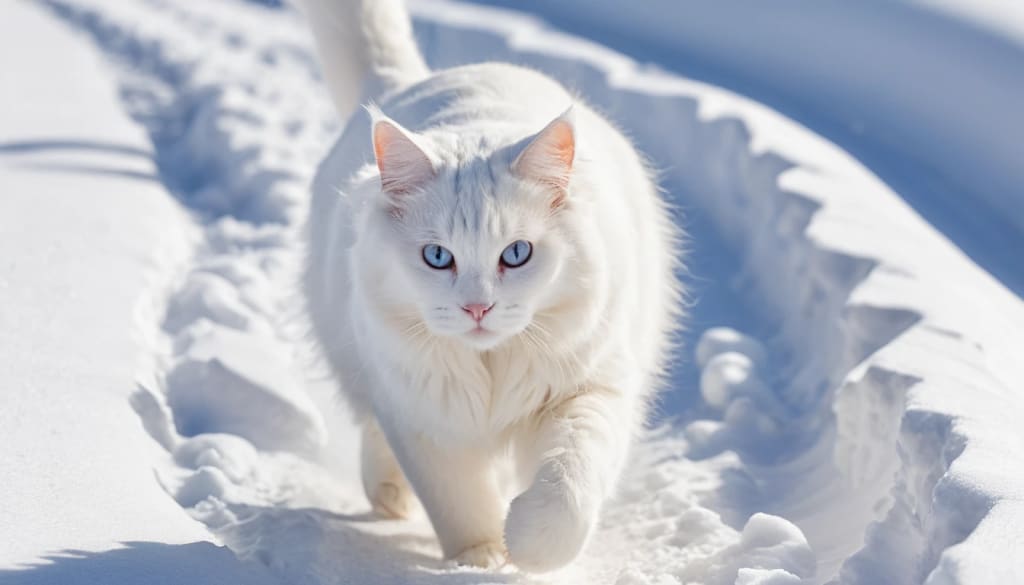
There is something almost hypnotic about a cat’s purr.
It hums like a tiny engine, steady and warm, a sound that seems to soften the edges of the world. You feel it as much as you hear it—a gentle vibration traveling through fur, into your hands, and somehow into your mood. Most people assume it means one simple thing: the cat is happy.
But the truth is far more intriguing.
A purr is not just a sound of contentment. It is a multi-purpose biological tool, a communication system, and—perhaps most surprisingly—a built-in healing mechanism. Beneath that soft rumble lies a quiet symphony of science.
Let’s step into that hidden world.
The Mechanics of a Purr: How Cats Create the Sound
Unlike a meow or a hiss, which are produced in short bursts, purring is continuous. Cats can purr while inhaling and exhaling, creating a seamless loop of sound.
This is made possible by rapid contractions of the muscles within the larynx (voice box). These muscles open and close the glottis—the space between the vocal cords—many times per second. As air passes through, it produces a rhythmic vibration.
The frequency of a typical cat’s purr ranges between 25 and 150 Hertz. That range may seem like an obscure detail, but it turns out to be one of the most fascinating aspects of all.
Because those frequencies are not random.
They are biologically significant.
Purring as Communication: A Language Without Words
Cats don’t rely on vocalization the way dogs do. Their communication is subtle, layered, often directed specifically at humans rather than other cats.
Kittens begin purring just days after birth. It serves as a signal to their mother: “I’m here, I’m okay.” In return, the mother cat purrs back, creating a kind of vibrational dialogue—a reassurance loop in sound form.
As cats grow, they keep this ability, but adapt it. They purr when they’re near you, when they’re being stroked, when they’re curling into sleep beside you. It’s a signal of comfort, yes—but also connection.
Interestingly, cats have even developed a special type of purr when interacting with humans. It blends the low-frequency hum with a higher-pitched cry, subtly mimicking the frequency of a human baby’s distress call.
In other words, your cat knows exactly how to get your attention.
Not Just Happiness: The Many Meanings of Purring
While purring often signals contentment, it is not limited to positive emotions.
Cats also purr when they are stressed, frightened, injured, or in pain. This might seem contradictory—why produce a comforting sound in distress?
Because purring is not just emotional expression.
It is also regulation.
Think of it as a built-in calming system. Much like humans may hum, breathe deeply, or seek soothing sounds during stress, cats use purring to stabilize themselves. It may help lower their heart rate, reduce anxiety, and create a sense of internal balance.
So when a cat purrs at the vet, or after an injury, it’s not happiness—it’s self-soothing.
A quiet resilience, vibrating beneath the surface.
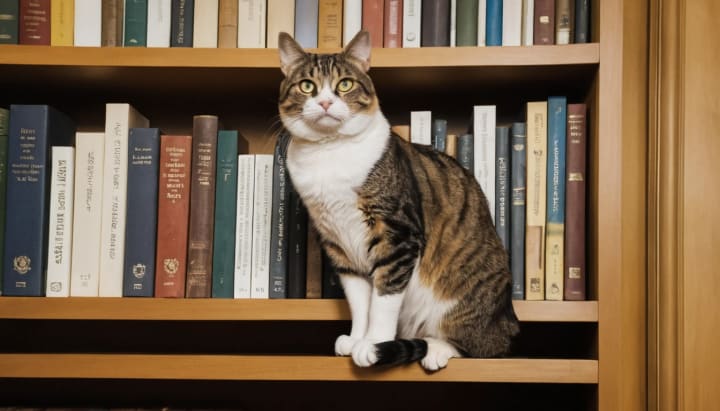
The Healing Power of Purrs: Science Gets Interesting
Now we arrive at the most remarkable part of the story.
The frequency range of a cat’s purr—25 to 150 Hertz—overlaps with frequencies known to promote healing in bones and tissues.
Studies have shown that vibrations within this range can:
Stimulate bone growth and repair
Improve muscle recovery
Reduce pain and inflammation
Enhance joint mobility
In medical settings, similar frequencies are sometimes used in physical therapy and rehabilitation.
Cats, it seems, come equipped with their own version of this technology.
This could help explain a long-standing mystery: cats often recover from injuries more quickly than expected, and they maintain bone density despite long periods of inactivity.
Their purr is not just a sound.
It is a tool for survival.
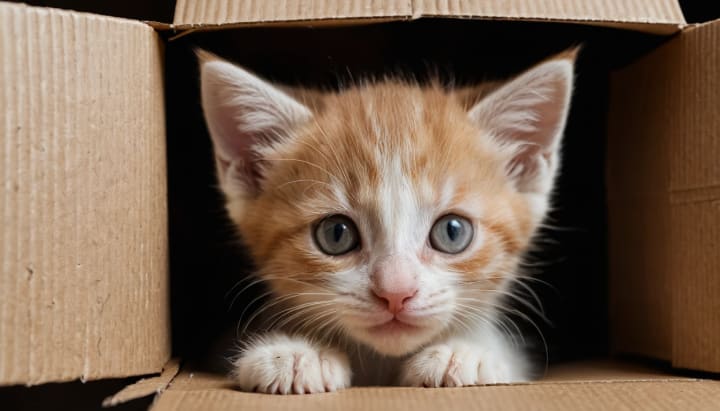
A Healing Effect on Humans Too?
If you’ve ever felt calmer while petting a purring cat, that’s not your imagination.
The sound and vibration of a purr can have measurable effects on humans. Research suggests that interacting with a purring cat may:
Lower blood pressure
Reduce stress and anxiety
Promote relaxation
Even decrease the risk of heart disease over time
There is something about that steady rhythm that synchronizes with the human nervous system, like a soft reset button for the mind.
It’s as if the cat is tuning the emotional atmosphere of the room.
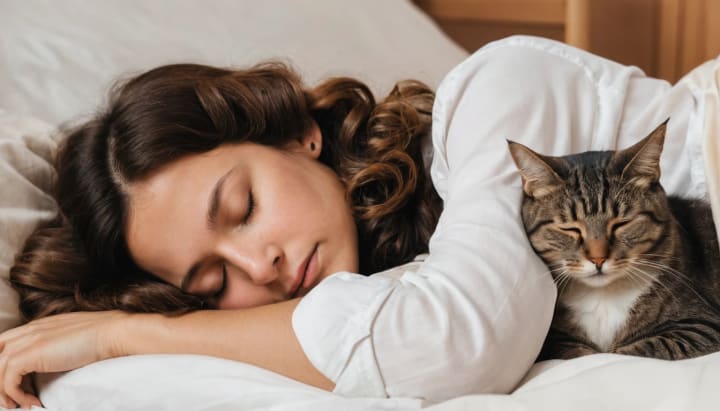
Why Some Cats Purr More Than Others
Not all cats are equally vocal with their purring.
Some are quiet, almost secretive, while others seem to carry a constant internal motor. Several factors influence this:
Personality: More social cats tend to purr more frequently.
Environment: Cats in calm, secure environments are more likely to express contentment through purring.
Learned behavior: Cats quickly learn that humans respond positively to purring, reinforcing the habit.
In essence, purring can become part of a cat’s personal communication style—a signature sound that defines their relationship with you.
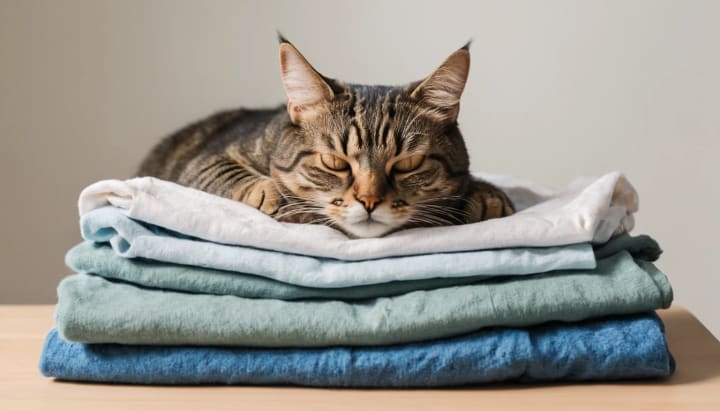
Do Big Cats Purr Too?
Here’s where things take a curious turn.
Not all members of the feline family purr in the same way. Domestic cats, along with some smaller wild cats like cheetahs, can produce a true, continuous purr.
But big cats like lions and tigers generally cannot.
Instead, they roar.
This difference comes down to anatomy. The structure of the larynx and surrounding bones determines whether a cat can purr continuously or produce a roar.
It’s a kind of evolutionary trade-off: purr or roar, but not both in the same way.
The Emotional Illusion of Simplicity
What makes purring so fascinating is how simple it appears on the surface.
A soft sound. A gentle vibration. A quiet moment shared between human and animal.
And yet, beneath it lies a layered system of communication, biology, and adaptation. It is comfort, language, medicine, and instinct—all wrapped into one continuous hum.
Cats do not explain themselves.
They don’t need to.
They let the purr do the talking.
A Small Sound with a Big Secret
The next time your cat curls up beside you and begins to purr, pause for a moment.
Listen closely.
You are hearing more than contentment. You are hearing a signal shaped by evolution, fine-tuned for survival, and adapted for connection. A sound that heals, soothes, and communicates all at once.
It’s a quiet kind of brilliance.
A tiny engine, running not just on comfort—but on science, instinct, and something that feels very close to affection.
About the Creator
Algieba
Curious observer of the world, exploring the latest ideas, trends, and stories that shape our lives. A thoughtful writer who seeks to make sense of complex topics and share insights that inform, inspire, and engage readers.
Wisteria Woo RIP
Wisteria Woo Silver~Rhodesian Ridgeback Cane Corso mix~ 7.19.15-3.2.26 My service dog, Wisteria, had been slowing down, having mysterious health symptoms like severe hives and unexplained injury. She went to the vet last month, but unfortunately, not all tests detect all problems. When we returned to the vet yesterday, upon much more concerning symptoms suddenly appearing, we learned she had a very large mass (10inx10in) likely the very aggressive hemangiosarcoma, and that we would only be buying a few months if we went through with treatment.
By K.B. Silver 20 days ago in Petlife
China Bans Elephant Ivory Trade by End of 2017
In a landmark move for wildlife conservation, China, once the world’s largest market for elephant ivory, officially committed to phasing out the trade of ivory by the end of 2017. This decision marked a major turning point in the global fight against elephant poaching and illegal wildlife trade, offering renewed hope for the survival of these iconic creatures.
By Irshad Abbasi 5 days ago in Petlife


Comments
There are no comments for this story
Be the first to respond and start the conversation.