

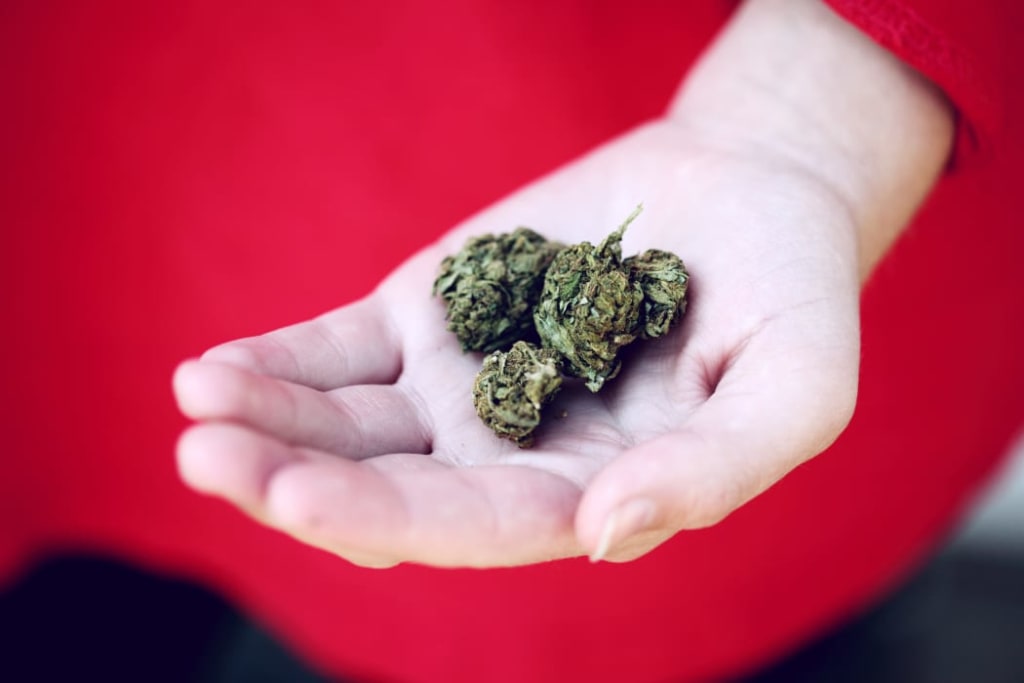
The term “devil’s lettuce” is a colorful and somewhat controversial nickname for cannabis, a plant that has sparked debate, curiosity, and cultural evolution for centuries. Once demonized and feared, cannabis has gradually moved into mainstream discussions, with shifting perceptions across societies. Understanding its journey—from stigma to partial acceptance—offers insight into how culture, science, and law intersect.
Origins of the Name
The phrase “devil’s lettuce” emerged as a slang term during periods when cannabis was heavily stigmatized, especially in the early 20th century. Campaigns against its use often portrayed it as dangerous and morally corrupting. The dramatic nickname reflects those fears, suggesting something forbidden or harmful. However, the term has since taken on a more humorous tone, often used ironically in modern conversations.
Historical Use of Cannabis
Cannabis is far from a modern invention. Its use dates back thousands of years in regions like Asia and the Middle East. Historically, it served multiple purposes—medicinal, spiritual, and industrial. Ancient cultures used cannabis for pain relief, relaxation, and even religious rituals. Hemp, a variety of the cannabis plant, was widely used for making ropes, textiles, and paper.
Despite its long history, cannabis became controversial in the 20th century, particularly in Western countries. Legal restrictions and negative propaganda reshaped public opinion, turning a once-utilized plant into a symbol of rebellion and danger.
Cultural Influence
In recent decades, cannabis has had a strong influence on music, film, and art. It has been referenced in various creative expressions, often associated with relaxation, creativity, or counterculture movements. From reggae music to modern hip-hop, cannabis has played a symbolic role in representing freedom, resistance, and individuality.
Movies and television have also contributed to changing perceptions, sometimes portraying cannabis humorously or as part of everyday life. This shift has helped normalize discussions around it, especially among younger generations.
Medical and Scientific Perspective
One of the most significant developments in the cannabis debate is its medical use. Research has explored how certain compounds in cannabis, such as cannabinoids, may help with conditions like chronic pain, anxiety, and epilepsy. This has led to the legalization of medical cannabis in several countries and regions.
However, scientific opinion remains balanced. While there are potential benefits, experts also highlight risks, especially with excessive or irresponsible use. These may include dependency, impaired memory, and mental health concerns in some individuals. Responsible use and proper medical guidance are essential in this context.
Legal Landscape
The legal status of cannabis varies widely around the world. Some countries have fully legalized it, others allow only medical use, and many still prohibit it entirely. These differences reflect cultural attitudes, political decisions, and public health considerations.
In places where cannabis has been legalized, governments often regulate its sale and use, aiming to reduce illegal trade and ensure safety. On the other hand, regions where it remains banned often emphasize the potential risks and societal impacts.
Changing Perceptions
Public opinion about cannabis is evolving rapidly. What was once seen as a taboo subject is now openly discussed in media, politics, and healthcare. Many people now view it through a more nuanced lens—recognizing both its potential benefits and its risks.
Education plays a key role in this shift. As more research becomes available, people can make informed decisions rather than relying on myths or exaggerated claims. The term “devil’s lettuce” itself reflects this transformation—once a warning, now often a joke or cultural reference.
Conclusion
The story of the “devil’s lettuce” is ultimately a story of perception. It highlights how societal attitudes can change over time, influenced by science, culture, and experience. Cannabis remains a complex topic, balancing potential benefits with real risks. As conversations continue to evolve, understanding its history and impact helps create a more informed and responsible perspective.
Rather than viewing it purely as something dangerous or harmless, the truth lies somewhere in between. Like many aspects of life, it requires awareness, moderation, and thoughtful consideration.
About the Creator
Sk
"I am a passionate writer, crafting books and articles on Vocal Media, exploring human experiences, stories, and creative reflections."
The Devil's Lettuce
We're all sitting here in a world where you can buy cannabis infused seltzer at a boutique shop that looks like an Apple store... but for about 80 years, the government treated this plant like it was a literal demon from the seventh circle of Hell. Why? Was it because it was actually dangerous? Please. If being dangerous was the criteria, we would have also banned lawn darts and gender reveal parties decades ago.
By Sara Wilson3 days ago in Potent




Comments
There are no comments for this story
Be the first to respond and start the conversation.