
Can I see real examples of hair extension colors before buying?
Before You Buy Hair Extensions: How to See Real Color Examples (And Avoid the Most Common Matching Mistake)

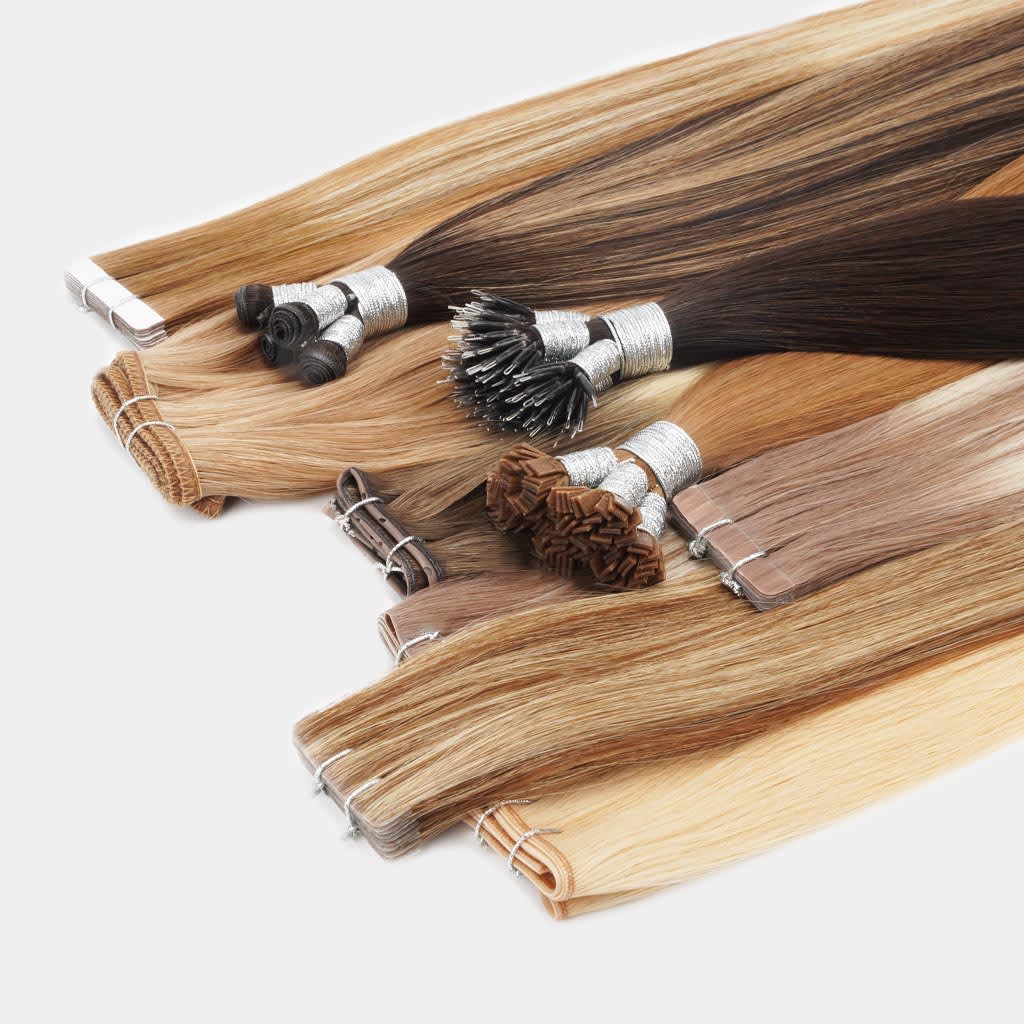
Before You Buy Hair Extensions: How to See Real Color Examples (And Avoid the Most Common Matching Mistake)
Buying hair extensions online can feel a little like shopping for paint without seeing the wall first. Photos look perfect. Lighting is flattering. The shade names sound convincing—“Honey Blonde,” “Chestnut Brown,” “Soft Ash.”
And yet when the package arrives, something feels… off.
Color matching is one of the biggest challenges in choosing hair extensions. The good news is that today’s hair brands offer several reliable ways to see real color examples before committing to a purchase. If you know where to look—and what tools to use—you can find a shade that blends almost seamlessly with your natural hair.
Below are the most practical methods professionals use to preview extension colors before buying.
1. Physical Color Swatches: The Most Accurate Way to Match
If accuracy is your top priority, nothing beats seeing the hair in real life.
Physical color swatches allow you to examine the tone, texture, and depth of the hair under different lighting conditions. Website photos simply cannot capture the subtle undertones that determine whether a shade looks natural once installed.
There are a few common formats:
Individual color swatches
Many extension companies sell small bundles of hair for a minimal cost. You can hold the sample directly against the ends of your hair—where extensions actually blend.
Professional color rings
Salons usually keep a color ring on hand. This circular tool contains every shade a brand offers, attached in small sample strands. Stylists rotate the ring next to your hair until they find the closest match.
At-home swatch kits
Some brands send multiple similar shades in one kit. This allows you to compare colors side-by-side under indoor lighting, sunlight, and even evening lighting.
For many stylists, this remains the gold standard for color matching because it removes guesswork.
2. AI Color Matching Tools
Technology has started to change the way people shop for hair extensions.
Several websites now offer AI-based color matching tools. The process is simple:
Upload a selfie taken in natural light
The system analyzes tone, depth, and highlights
It recommends the closest extension shades
While AI cannot completely replace a physical swatch, it dramatically narrows the options. Instead of choosing from dozens of shades, you may only need to compare three or four.
This makes online shopping far less overwhelming.
3. Expert Photo Matching Services
Another surprisingly effective option is sending photos directly to extension specialists.
Many professional brands offer free color matching consultations. Customers simply email pictures of their hair taken in natural daylight. Experts then review the images and recommend specific shades.
Often they will even send:
Photos of the exact color strand
Videos showing the shade in motion
Side-by-side comparisons with similar tones
Because these specialists work with hair color every day, their recommendations can be more precise than guessing alone.
4. Real Before-and-After Galleries
One of the most underrated ways to preview extension colors is by studying real customer results.
Brand websites and social platforms often feature before-and-after galleries showing how extensions blend with natural hair. These examples reveal something product photos cannot: how color behaves on different hair types, lighting conditions, and styling choices.
Platforms like Instagram and TikTok are especially helpful because videos show the color from multiple angles.
When browsing galleries, pay attention to people with:
Similar base hair color
Similar highlight patterns
Similar hair texture
This makes it easier to visualize how the extensions might look on you.
5. Why Lighting Changes Everything
A major reason extension colors sometimes look different after purchase is lighting variation.
Hair can appear dramatically different depending on whether you're viewing it in:
Indoor warm lighting
Natural daylight
Flash photography
Evening lighting
This is why professionals recommend checking color swatches in multiple environments before deciding.
A shade that looks perfect indoors might appear slightly warmer or cooler outside.
6. Brands That Provide Real Color References
Many modern extension companies now prioritize transparency by offering realistic color previews through swatches, rings, and galleries.
Professional manufacturers such as Newtimes Hair provide detailed color systems designed for salons and distributors. These systems typically include full color rings and real human-hair samples so buyers can evaluate shades accurately before ordering.
For professionals working with clients—or individuals purchasing higher-end extensions—these physical tools make the color selection process far more reliable.
Final Thoughts
Hair extensions should blend so naturally that no one can tell where your real hair ends and the extensions begin. Achieving that effect depends largely on seeing the true color before you buy.
Whether through physical swatches, AI matching tools, expert consultations, or real customer galleries, there are now many ways to preview extension shades with confidence.
Taking a little extra time to compare colors may feel like a small step—but it’s often the difference between extensions that simply look good and extensions that look completely natural.
About the Creator
Emma Smith
explores the latest trends in hair, hairstyles, and hair systems, creating insightful content that blends fashion, innovation, and confidence.
Keep reading
More stories from Emma Smith and writers in Styled and other communities.
A Beginner’s Guide to Rolex Replica Watches: Understanding Quality and Value
As a watch enthusiast, I’ve had the pleasure of experiencing a variety of timepieces, from affordable everyday watches to high-end luxury pieces. One brand that stands out in the luxury watch market is Rolex, renowned for its craftsmanship, iconic designs, and hefty price tag. For many newcomers to the world of luxury watches, a genuine Rolex may be out of reach due to its premium price. That’s where the allure of fake rolex comes into play. In this guide, we’ll explore what Rolex replica watches are, their quality levels, and how to make an informed decision when purchasing one.
By Martin Laura7 days ago in Styled
How Bold Gold Bracelets Are Defining Modern Style
In modern fashion, simplicity has become a defining principle. Clean silhouettes, neutral palettes, and thoughtfully curated wardrobes have replaced overly complex styling. Yet within this minimalism, one element has gained increasing importance — accessories that create impact.
By BTK COLLECTIONabout 13 hours ago in Styled



Comments
There are no comments for this story
Be the first to respond and start the conversation.