
When Superpowers Collide
: The Rising Tension Between Iran and America

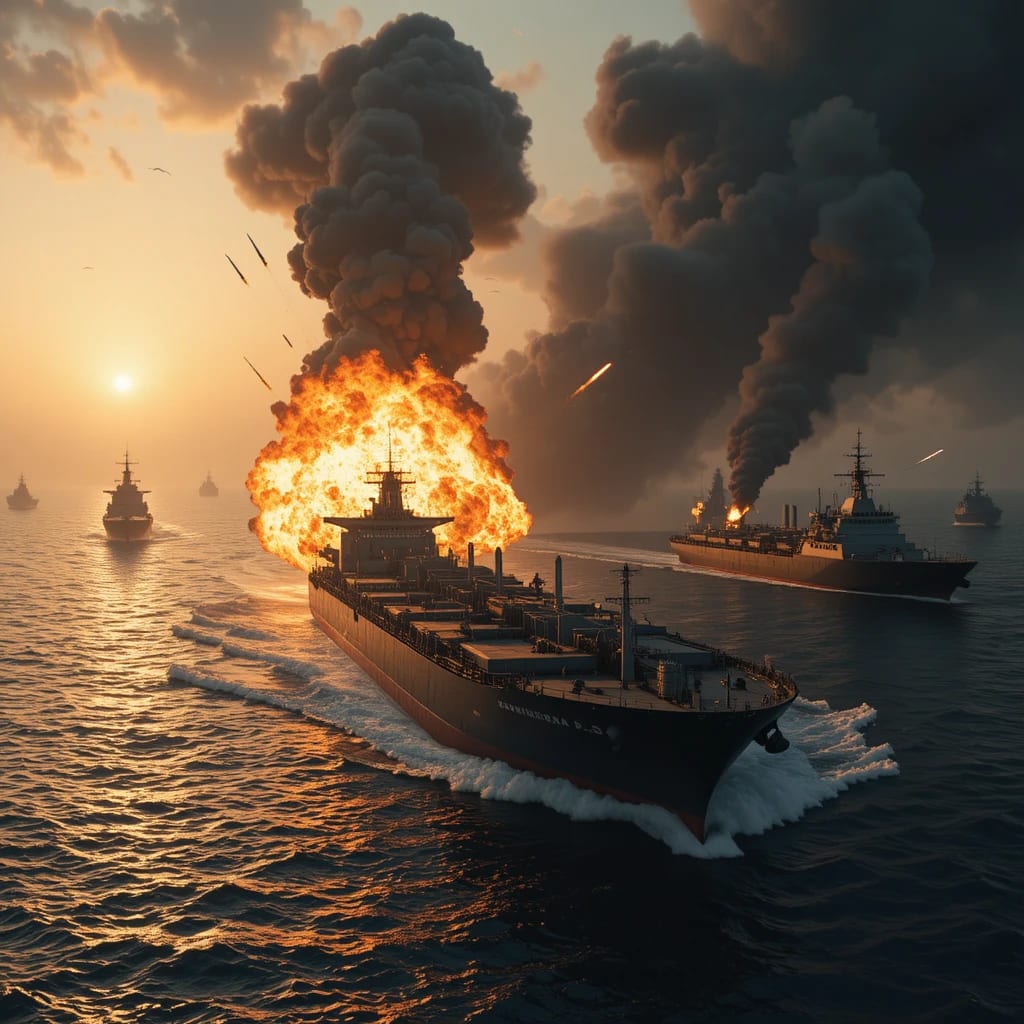
The night sky above the Persian Gulf looked calm. Oil tankers slowly crossed the dark waters, and the lights from distant cities reflected on the sea. But behind this calm surface, tension was building between two powerful nations — Iran and the United States.
For decades, the relationship between these two countries has been marked by mistrust, political rivalry, and occasional moments of dangerous escalation. Every few years, the world watches closely, wondering whether diplomacy will prevail or whether a new conflict might ignite in one of the most important regions on Earth.
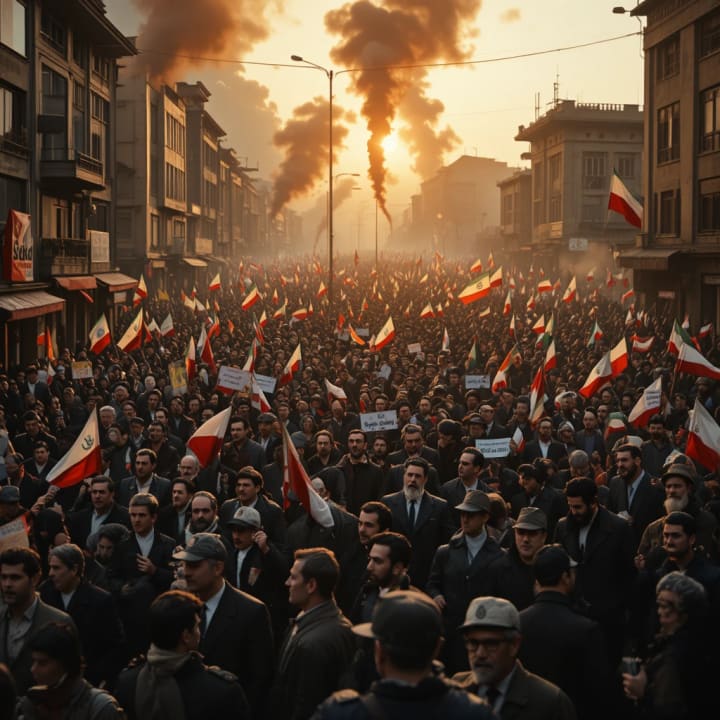
A Conflict Rooted in History
The tension between Iran and the United States did not appear overnight. In fact, it can be traced back to the dramatic events of the Iranian Revolution.
Before 1979, Iran was ruled by a monarch who maintained strong relations with the United States. However, the revolution completely transformed the political landscape of the country. The monarchy was overthrown, and a new Islamic government came to power.
Soon after the revolution, one of the most dramatic crises unfolded when Iranian students seized the American embassy in Tehran. The event, known as the Iran hostage crisis, lasted for 444 days and deeply damaged relations between the two nations.
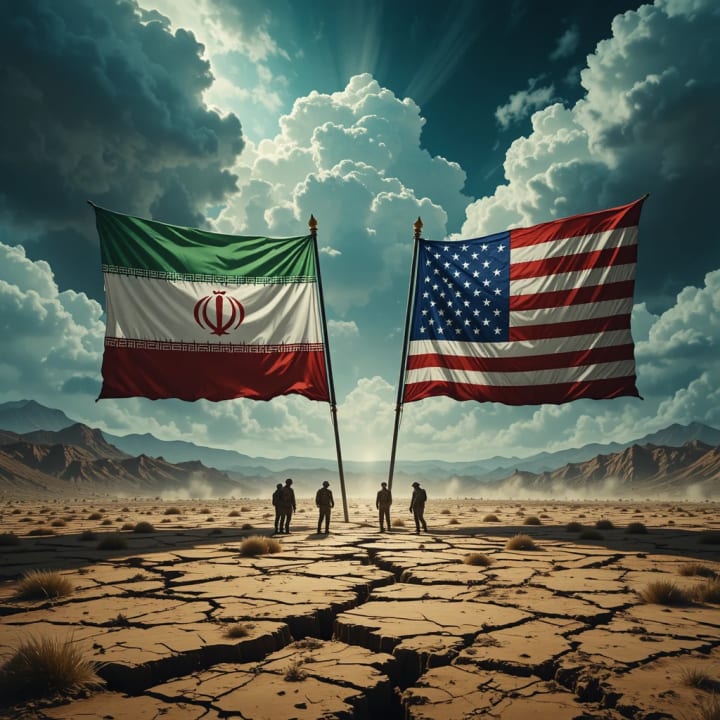
From that moment on, distrust between the two countries became deeply rooted.
The Middle East: A Region of Strategic Importance
The conflict between Iran and the United States is not just about politics. It is also about influence in the Middle East, a region that plays a critical role in global energy supplies and international security.
One of the most strategic locations in the world is the Strait of Hormuz. Nearly a fifth of the world's oil supply passes through this narrow waterway.
Because of its importance, any tension in the region immediately affects global markets, energy prices, and international stability.
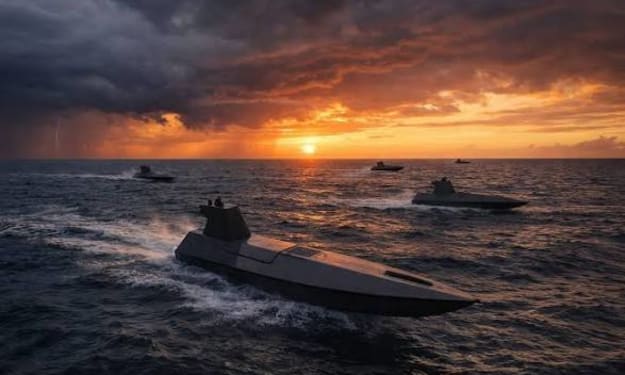
Over the years, both Iran and the United States have increased their military presence in the region. Warships patrol the waters, advanced missile systems stand ready, and military bases operate across several countries.
The situation often feels like a chess match, where every move could trigger a dangerous reaction.
A New Era of Escalation
In recent years, tensions have grown even more complicated. Economic sanctions, cyber warfare, and proxy conflicts have become common tools in the rivalry between the two countries.
At the center of many disagreements is Iran's nuclear program. The United States and several international allies worry that Iran could develop nuclear weapons. Iran, on the other hand, insists that its nuclear program is intended for peaceful purposes such as energy production.
In 2015, a major diplomatic breakthrough seemed possible with the signing of the Joint Comprehensive Plan of Action. The agreement aimed to limit Iran’s nuclear activities in exchange for relief from economic sanctions.
For a brief moment, it appeared that years of hostility might finally ease.
However, political disagreements and shifting global alliances soon complicated the situation again. The agreement weakened, tensions returned, and both sides began accusing each other of violating international commitments.
The Shadow of Military Confrontation
Although a full-scale war has never erupted between Iran and the United States, there have been moments when conflict seemed dangerously close.
Military incidents in the Persian Gulf, attacks on shipping vessels, and missile strikes in the region have repeatedly raised fears of escalation.
One of the most dramatic moments occurred in 2020 with the killing of Qasem Soleimani, a powerful Iranian military commander. His death in a U.S. drone strike shocked the world and brought the two nations to the brink of a major confrontation.
Iran responded with missile attacks on U.S. military bases in the region, sending a clear message that retaliation was possible.
The world held its breath as analysts debated whether the situation could spiral into a wider war.
The Human Cost of Conflict
While geopolitical strategies dominate headlines, it is important to remember that conflicts between nations always affect ordinary people the most.
Families living in cities across the Middle East often face uncertainty, economic instability, and fear of violence whenever tensions rise.
Young people worry about their future. Businesses struggle with rising energy costs. Communities brace themselves for the possibility that political decisions made thousands of miles away could suddenly change their lives.
War is rarely just about governments. It is about millions of lives caught in the middle.
A World Watching Carefully
The conflict between Iran and the United States is closely watched by countries around the world.
Nations such as China, Russia, and members of the European Union all have strategic interests in the region. Their diplomatic decisions could influence whether tensions rise or fall.
Global markets also react quickly to any signs of instability. Even small incidents in the Persian Gulf can send oil prices soaring and affect economies around the world.
In today's interconnected world, regional conflicts rarely remain local for long.
The Question of the Future
Despite decades of hostility, many experts believe that diplomacy remains the only realistic path forward.
Both sides understand that a full-scale war would have devastating consequences not only for the Middle East but for the global economy as well.
The challenge is finding a way to rebuild trust after years of confrontation, sanctions, and political rivalry.
History shows that even the most intense conflicts can eventually move toward negotiation and compromise. But reaching that point requires patience, leadership, and a willingness to choose dialogue over destruction.
A Fragile Balance
For now, the relationship between Iran and the United States remains a fragile balance between confrontation and diplomacy.
The world continues to watch closely, hoping that the next chapter of this long and complicated story will be written not with missiles and explosions, but with negotiations and peace.
Because in the end, the true victory in any conflict is not defeating an enemy — it is avoiding war altogether.
About the Creator
Dani khan
Hi, I’m Dani Khan! 🌟 I share cool facts, life tips, and inspiring ideas. Follow me to learn, grow, and stay curious every day! 📚✨ #StayCurious #DaniKhan
please hit the subscribe for more
The Forsyth House Fire
Since 1851, Forsyth House has stood on the corner of Union Street and Gordon Street in the heart of Glasgow. Its iconic, or was... because on Sunday 8th of March, 2026, a fire broke out in a small, seemingly un-named shop in the building and tore all that history down. As I write, the rubble is still unsettled and the street is still blocked off. Central Station is quiet on the upper level, and around 30 small businesses have quite literally gone up in smoke.
By S. A. Crawford2 days ago in The Swamp
Germans Protest Against Russia on Paralympic Podium
During a medal ceremony at the 2026 Winter Paralympic Games in Milano‑Cortina, Italy, two German cross‑country skiers made a quiet but powerful political statement by turning their backs on Russian gold medalists as the Russian national anthem played on the podium. Their action highlighted deep tensions surrounding the controversial decision to allow Russian athletes to compete under their own flag and with their national symbols for the first time in over a decade. The protest occurred after Russian skier Anastasiia Bagiian and her guide Sergei Siniakin won gold in the women’s sprint classic for vision‑impaired athletes. As the anthem began, German silver medalist Linn Kazmaier and her guide Florian Baumann turned away from the Russian victors, visibly distancing themselves during the podium protocol. Kazmaier explained to German media that their decision was not personal toward the Russian athletes, whom they don’t know, but rather a response to the broader political context. “That it is so totally overshadowed by politics is simply a complete shame,” she said, noting they kept their hats on and refused to face the flag as a sign of protest. This moment reflects wider controversy at the Paralympics over the inclusion of athletes from Russia and Belarus under their own flags and anthems — a departure from bans imposed after Russia’s state‑sponsored doping scandal and subsequent sanctions following its 2022 invasion of Ukraine. Previously, Russian athletes had been barred or required to compete under neutral status; however, the International Paralympic Committee (IPC) lifted those restrictions in late 2025, prompting protests and boycotts. Ahead of the Games, several countries, including Germany, joined a boycott of the opening ceremony in protest of Russia and Belarus being allowed full national representation. Eleven countries along with the European Union chose not to participate in the event as a symbolic stand against the IPC’s decision, although they remained committed to competing in the sporting events themselves. The sight of German athletes turning away on the podium added another layer to that protest, occurring in the midst of competition rather than before it. Baumann emphasized that their gesture was about solidarity with Ukrainian athletes and opposition to what they saw as a decision that diminishes the integrity of international sport. “It’s not about the Russian athletes themselves… but the IPC’s decision to have Russia here under its own flag… while the Ukrainians are also here is simply not correct,” he said. The restart of Russia’s full national presence at the Paralympics represents a significant shift. Russia won its first gold medal at the Winter Paralympics under its own flag since 2014 at these Games, a moment marked by the playing of the Russian national anthem on the podium — a sight not seen at the Paralympics in many years. While the Moscow Times and other outlets celebrated this return, it sparked backlash elsewhere in the Paralympic community and among fans and officials alike. Critics argue that allowing full national symbols validates Russia’s sporting presence despite ongoing geopolitical conflicts and human rights concerns. Supporters of the IPC’s decision counter that excluding athletes penalizes individuals for the actions of their governments. This debate mirrors broader clashes in sport over whether and how to isolate nations during political crises without unfairly impacting athletes. The German protest also echoes a more general trend of political statements at international sporting events. In recent years, athletes and teams have used their platforms to draw attention to global conflicts and social issues, from kneeling protests to symbolic gestures that reverberate well beyond the field of play. The Paralympics, which celebrates courage, resilience and inclusion, has not been immune to these broader tensions. Despite the symbolism, German athlete Kazmaier acknowledged the complexity of the situation, noting that she and her guide could personally have respect for individuals from other nations while still disagreeing with broader political decisions. “Perhaps they are really nice people, whom we could be friends with,” she said, underscoring the distinction between individuals and the political systems they represent. As the Milano‑Cortina Games continue, similar moments may arise, especially as athletes from different countries confront the emotional and political realities tied to the Russian presence. The episode on the podium serves as a reminder that international sport often intersects with global affairs, and that even events meant to bring people together can reflect the fractures of the wider world.
By Fiaz Ahmed 4 days ago in The Swamp


Comments
There are no comments for this story
Be the first to respond and start the conversation.