Irshad Abbasi
Bio
Ali ibn Abi Talib (RA) said 📚
“Knowledge is better than wealth, because knowledge protects you, while you have to protect wealth.
Stories (566)
Filter by community
Ruqayyah bint Muhammad: The Devoted Daughter of the Prophet
Ruqayyah bint Muhammad (RA) was one of the beloved daughters of the Prophet Muhammad ﷺ and his first wife, Khadijah bint Khuwaylid (RA). Born into a noble and respected family in Makkah, Ruqayyah’s life was marked by deep faith, patience, and sacrifice during a critical time in the early history of Islam. Her story, though often overshadowed by more prominent historical figures, provides a profound insight into the trials faced by the family of the Prophet ﷺ and the steadfastness of Muslim women during Islam’s formative years.
By Irshad Abbasi 8 months ago in History
The Life and Legacy of Hazrat Hussain (R.A.)
Hazrat Hussain ibn Ali (R.A.), the beloved grandson of the Holy Prophet Muhammad (ﷺ), holds a unique and sacred place in Islamic history. His life stands as a shining example of unwavering faith, justice, and sacrifice in the face of oppression. The tragic events of Karbala immortalized his name and message, making him a symbol of resistance against tyranny for all times.
By Irshad Abbasi 8 months ago in History
The Prince of Peace and Patience in Islam
Hazrat Hassan ibn Ali (R.A), the eldest grandson of Prophet Muhammad (PBUH), stands as one of the most revered personalities in Islamic history. Born into the noble household of the Prophet, he was the son of Hazrat Ali ibn Abi Talib (R.A) and Hazrat Fatima Zahra (R.A), making him the direct descendant of the Prophet himself. Known for his remarkable patience, deep knowledge, and commitment to unity among Muslims, Hazrat Hassan’s (R.A) life offers profound lessons in leadership, sacrifice, and peace.
By Irshad Abbasi 8 months ago in History
The Lion of Allah and the Beacon of Justice
Hazrat Ali ibn Abi Talib (R.A.), the cousin and son-in-law of Prophet Muhammad (PBUH), stands as one of the most revered and influential figures in Islamic history. His life was a remarkable blend of courage, piety, knowledge, and justice. As the fourth Caliph of Islam and the first Imam in Shia Islam, Hazrat Ali’s legacy spans across sects, nations, and centuries.
By Irshad Abbasi 8 months ago in History
The Young Lion of Islam
In the cradle of the Arabian Peninsula, during a time of tribal conflict, idol worship, and social inequity, a profound transformation took root. At the heart of this change were individuals who, inspired by the message of Islam brought by the Prophet Muhammad ﷺ, dedicated their lives to the service of God and the welfare of their communities. Among them were exceptional figures whose lives embodied unwavering faith, boundless generosity, and remarkable leadership. This biography brings to life the character and legacy of one such early Muslim—a figure whose devotion and actions became a model for generations to come.
By Irshad Abbasi 8 months ago in History
The Just Caliph of Islam
Among the most influential and revered personalities in Islamic history stands Umar ibn al-Khattab, known widely as Umar Farooq (RA) — the second Caliph of Islam and a symbol of justice, strength, and piety. His era as caliph marked a golden period in the development of the Islamic state. Known for his unwavering dedication to justice and equality, Umar’s rule laid the foundations for governance that inspired both Muslim and non-Muslim civilizations.
By Irshad Abbasi 8 months ago in History
The First Caliph and Closest Companion of the Prophet
Hazrat Abu Bakr Siddiq (R.A.) stands as one of the most revered and influential figures in Islamic history. As the closest companion of Prophet Muhammad (ﷺ) and the first Caliph of Islam, his unwavering faith, humility, and sense of justice set a standard for Muslim leadership and character. His life story is one of devotion, sacrifice, and dedication to the truth, making him a towering figure in the early years of Islam.
By Irshad Abbasi 8 months ago in History
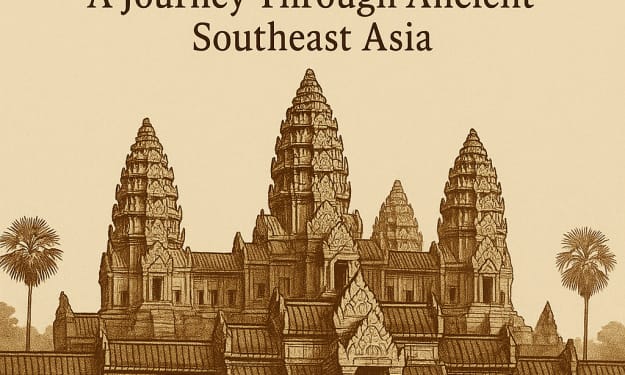
A Journey Through Ancient Southeast Asia
The Khmer Empire stands as one of Southeast Asia’s most powerful and enduring civilizations, a beacon of artistic brilliance, cultural sophistication, and imperial ambition. Flourishing from the 9th to the 15th centuries, the Khmer Empire left an indelible mark on history, centered in what is now Cambodia. It was during this era that Angkor — its magnificent capital — rose to become one of the largest and most technologically advanced cities in the pre-industrial world. At the heart of this legacy lies a story of kings, sacred temples, spiritual devotion, military strength, and deep-rooted cultural values that continue to influence Cambodian identity today.
By Irshad Abbasi 8 months ago in History
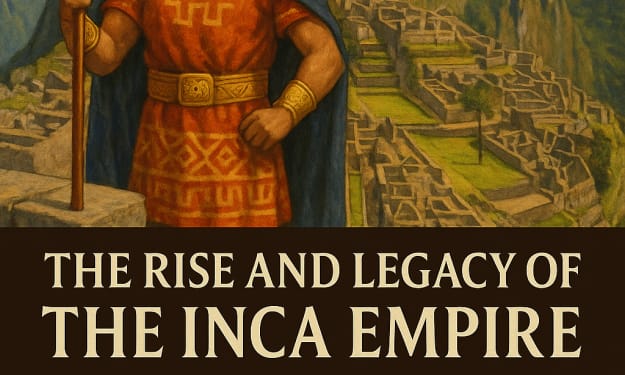
A Kingdom of Power and Culture
The Inca Empire, or *Tawantinsuyu* as it was known in its native Quechua language, stands as the most remarkable and expansive empire in South America before European contact. Emerging from the highlands of Peru in the early 13th century, the Incas built a civilization that, at its peak in the early 16th century, stretched over 2,500 miles from present-day Colombia to central Chile. With a population estimated at over 10 million people and an intricately organized society, the Inca left an enduring legacy in architecture, engineering, agriculture, and administration that continues to fascinate historians and archaeologists today.
By Irshad Abbasi 8 months ago in History
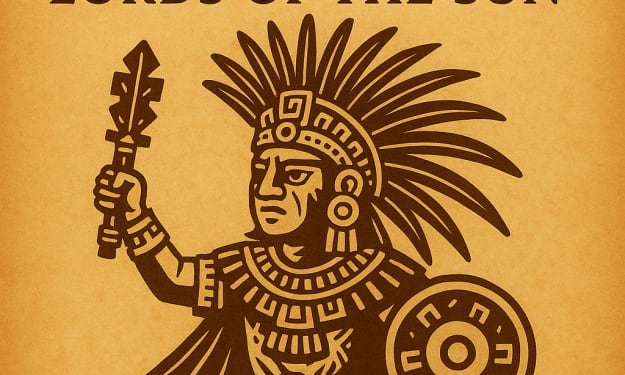
The Rise and Fall of the Aztec Empire: Lords of the Sun
The story of the Aztec civilization is one of awe-inspiring ingenuity, immense power, cultural brilliance, and devastating downfall. Rising from obscurity to dominate much of central Mesoamerica in just a few centuries, the Aztecs built an empire marked by towering temples, vibrant marketplaces, vast military conquests, and complex religious rituals. Yet, within mere years of first contact with European explorers, their civilization collapsed, consumed by war, disease, and betrayal. This biography explores the arc of the Aztec Empire—from its mythical beginnings to its tragic demise—capturing the spirit of a people who once ruled the heart of ancient Mexico.
By Irshad Abbasi 8 months ago in History
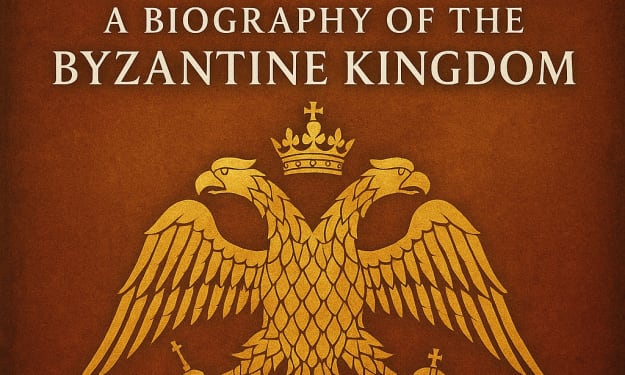
A Biography of the Byzantine Kingdom
The Byzantine Empire, often referred to as the Eastern Roman Empire, was one of the most resilient and culturally rich civilizations in world history. Its legacy stretches across a thousand years, from the fall of the Western Roman Empire in the 5th century to the Ottoman conquest of Constantinople in 1453. Rooted in Roman traditions but infused with Greek, Christian, and Eastern influences, the Byzantine Empire was a bridge between antiquity and the modern world.
By Irshad Abbasi 8 months ago in History