
The Psychology of Criminal Behaviour
Understanding the Mind Behind Crime

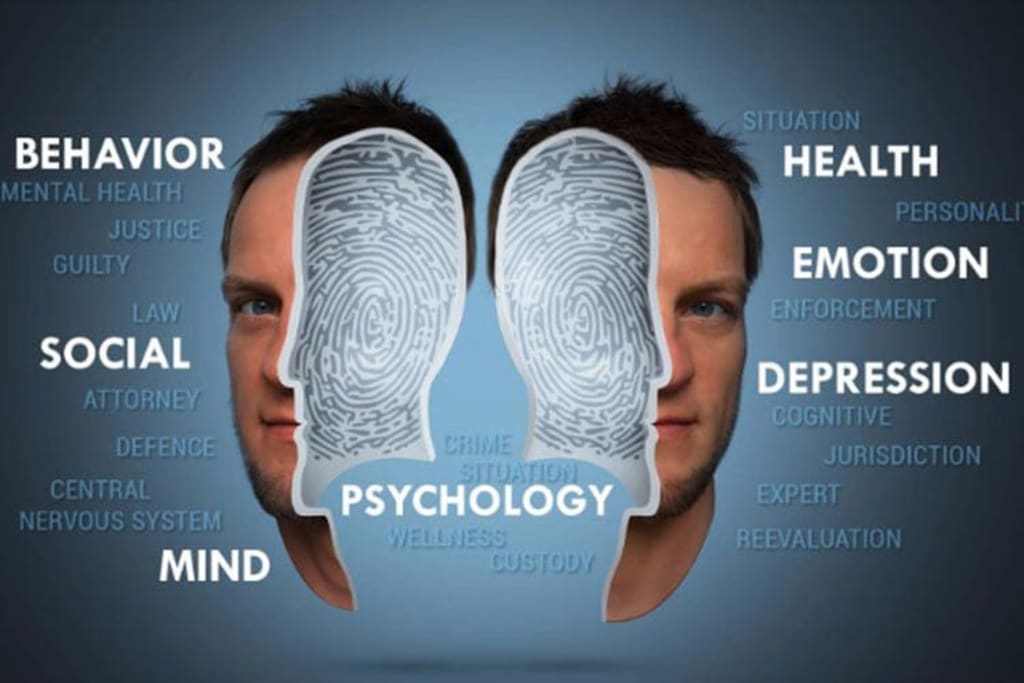
Crime has existed throughout human history, evolving alongside society itself. While laws, punishments, and social systems attempt to control it, understanding why individuals commit crimes remains one of the most important questions in modern society. The field of Criminal Psychology seeks to uncover the mental, emotional, and social factors that drive people toward unlawful actions. By examining the psychology of criminal behaviour, we gain valuable insights into prevention, rehabilitation, and justice.
What Is Criminal Behaviour?
Criminal behaviour refers to actions that violate legal codes and societal norms. However, not all individuals who commit crimes share the same motivations or mental states. Some crimes are impulsive, driven by emotions like anger or fear, while others are carefully planned and executed.
Psychologists emphasize that criminal behaviour is not caused by a single factor. Instead, it results from a complex interaction between biological, psychological, and environmental influences. Understanding this interplay is key to addressing crime effectively.
Biological Factors in Criminal Behaviour
Biological theories suggest that certain individuals may be predisposed to criminal behaviour due to genetic or neurological factors. For example, abnormalities in brain structure—particularly in areas responsible for impulse control and decision-making—can increase the likelihood of aggressive or risky actions.
Research has also explored the role of hormones such as testosterone in aggressive behaviour. While biology alone does not determine criminality, it can create vulnerabilities that, when combined with environmental triggers, may lead to unlawful actions.
Psychological Theories and Criminal Minds
Several psychological theories help explain why individuals engage in criminal behaviour. One of the most widely discussed is the concept of personality disorders, particularly Antisocial Personality Disorder. Individuals with this condition often display a lack of empathy, disregard for rules, and manipulative tendencies.
Another important concept is Psychopathy, which is characterized by superficial charm, impulsivity, and a lack of remorse. Psychopaths are often associated with serious crimes due to their ability to detach emotionally from their actions.
Behavioral theories also play a significant role. According to these theories, criminal behaviour is learned through observation and reinforcement. If individuals grow up in environments where crime is normalized or rewarded, they are more likely to adopt similar behaviors.
The Role of Environment and Social Influence
Environmental factors are among the strongest contributors to criminal behaviour. Poverty, lack of education, unemployment, and exposure to violence can all increase the likelihood of criminal activity.
Family environment is particularly influential. Children raised in unstable households, where abuse or neglect is present, may develop emotional and behavioral issues that increase their risk of engaging in crime. Peer pressure is another powerful force, especially among adolescents who seek acceptance and identity within social groups.
Communities with high crime rates can also normalize unlawful behaviour, creating a cycle that is difficult to break. This highlights the importance of social interventions and community development in crime prevention.
Cognitive Processes and Decision-Making
Criminal behaviour is often linked to faulty thinking patterns. Many offenders justify their actions through cognitive distortions, such as blaming victims or minimizing the consequences of their actions.
The concept of rational choice theory suggests that some criminals weigh the risks and rewards before committing a crime. However, this decision-making process is often flawed due to limited information, emotional influence, or impaired judgment.
Impulsivity is another key factor. Individuals who struggle with self-control may act without considering the consequences, leading to spontaneous criminal acts.
The Influence of Trauma and Mental Health
Trauma plays a significant role in shaping criminal behaviour. Individuals who have experienced physical, emotional, or psychological trauma may develop coping mechanisms that involve aggression or substance abuse.
Mental health disorders, including depression, anxiety, and substance use disorders, can also contribute to criminal actions. While not all individuals with mental health issues engage in crime, untreated conditions can increase vulnerability.
It is important to note that mental illness alone does not cause criminal behaviour. Stigma surrounding this issue often leads to misconceptions, but the reality is far more nuanced.
Prevention and Rehabilitation
Understanding the psychology of criminal behaviour is essential for developing effective prevention and rehabilitation strategies. Early intervention programs that focus on education, family support, and mental health care can significantly reduce the risk of criminal activity.
Rehabilitation efforts aim to address the underlying causes of criminal behaviour rather than simply punishing offenders. Cognitive-behavioral therapy (CBT), for example, helps individuals identify and change harmful thought patterns.
Education and vocational training also play a crucial role in reducing recidivism. By providing individuals with skills and opportunities, society can help them reintegrate and lead productive lives.
The Role of the Criminal Justice System
Modern criminal justice systems increasingly recognize the importance of psychological insights. Instead of focusing solely on punishment, many systems now emphasize rehabilitation and restorative justice.
Risk assessment tools, psychological evaluations, and counseling programs are used to better understand offenders and tailor interventions accordingly. This approach not only benefits individuals but also enhances public safety.
Conclusion
The psychology of criminal behaviour is a complex and multifaceted field that seeks to understand why individuals break the law. By examining biological, psychological, and environmental factors, we can gain a deeper understanding of the roots of crime.
Rather than viewing criminals as inherently “bad,” this perspective encourages a more compassionate and informed approach. It highlights the importance of prevention, early intervention, and rehabilitation in reducing crime and building safer communities.
About the Creator
shaoor afridi
“I am a passionate writer dedicated to sharing informative, engaging, and well-researched articles. My goal is to provide valuable content that educates, inspires, and adds real value to readers.”
Keep reading
More stories from shaoor afridi and writers in Criminal and other communities.
Eat That Frog
In today’s fast-paced world, productivity has become one of the most sought-after skills. People constantly search for practical methods to manage time effectively and achieve their goals without feeling overwhelmed. One book that continues to stand out in this domain is Eat That Frog! by Brian Tracy. This concise yet impactful guide provides a clear roadmap for overcoming procrastination and maximizing efficiency.
By shaoor afridi11 days ago in BookClub
The Murder of Marcy Renee Conrad
If you’ve seen the 1987 film River’s Edge, starring Keanu Reeves, you’re already familiar with one of the most intriguing fictionalized versions of this disturbing case. The movie is available on MGM+ and is worth the hour and a half.
By Criminal Matters3 days ago in Criminal




Comments
There are no comments for this story
Be the first to respond and start the conversation.