
The End of US vs Iran Conflict?
Why Trump Took a Pause — Strategy, Pressure, or Peace?

The End of US vs Iran Conflict?
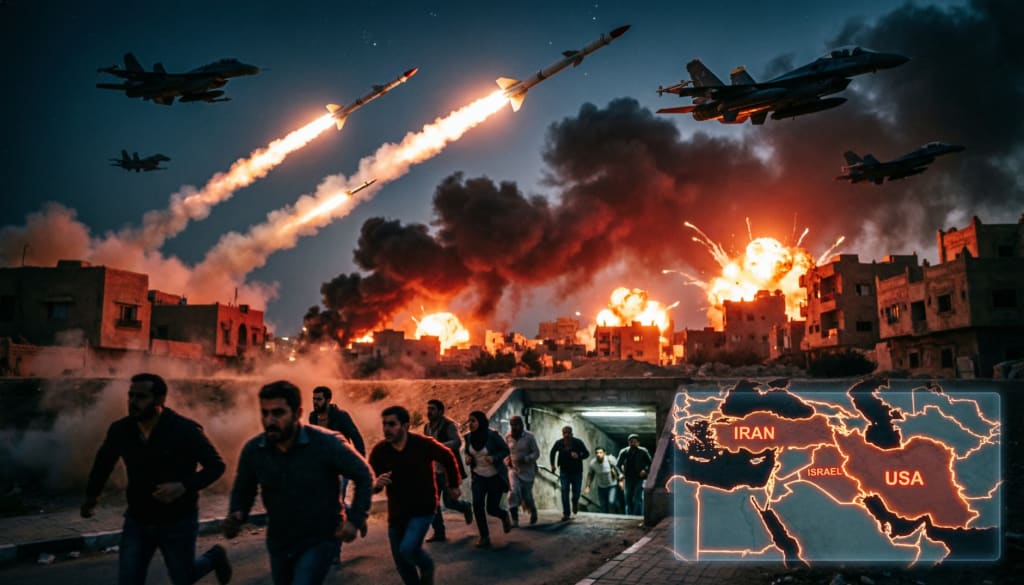
The escalating conflict between the United States and Iran shocked the world in early 2026. What began as intense military strikes quickly turned into one of the most dangerous geopolitical confrontations in recent history. However, just as tensions reached a boiling point, former U.S. President Donald Trump announced a pause in military strikes — leaving analysts, governments, and citizens asking one key question: Why did Trump suddenly take a pause?
This article explores the real reasons behind the pause and what it means for global stability.
Background: How the Conflict Started
The 2026 conflict began on February 28, 2026, when the United States and Israel launched nearly 900 strikes across Iran within just 12 hours. The operation targeted Iranian military sites, missile systems, and leadership infrastructure. The strikes triggered a massive retaliation from Iran, including missiles and drone attacks across the Middle East.
The conflict quickly disrupted global travel, oil markets, and international security. Shipping routes near the Strait of Hormuz were threatened, raising fears of a global energy crisis.
Just as tensions escalated further, Trump made a surprising move — he paused further strikes.
Why Trump Took a Pause
1. Diplomatic Talks Began Behind the Scenes
According to recent reports, Trump announced that “productive talks” were taking place to end the conflict. He postponed military strikes — especially against Iranian power plants and energy infrastructure — to allow diplomacy to continue.
The United States reportedly presented a 15-point settlement plan to Iran that included:
- Limiting nuclear programs
- Ending proxy conflicts
- Reopening shipping routes
- Reducing missile programs
However, Iranian officials denied that direct negotiations were taking place, showing how fragile the situation remained.
This suggests that the pause was not peace — but a strategic diplomatic window.
2. Global Economic Pressure
The conflict immediately affected global markets. Oil prices surged, shipping routes became dangerous, and international trade slowed. Experts warned that prolonged war could trigger a global economic crisis.
The Strait of Hormuz, through which a large percentage of global oil flows, became a major concern. Even temporary closure risked worldwide fuel shortages.
By pausing military escalation, the U.S. aimed to:
- Stabilize oil prices
- Prevent global recession
- Reduce pressure from allies
- Avoid long-term economic damage
This made the pause a strategic economic decision.
3. Military Strategy — Pause Before Next Move
Military analysts often describe pauses as tactical breathing space. During such pauses:
- Troops reposition
- Intelligence gathering improves
- Diplomatic pressure increases
- Opponent reactions are studied
Trump reportedly extended deadlines and delayed strikes, indicating the pause was conditional, not permanent.
This suggests the pause may have been:
- A negotiation tactic
- A pressure strategy
- A military regrouping period
4. International Pressure and Mediation
Several countries reportedly stepped in to mediate the conflict, including:
- Pakistan
- Turkey
- Egypt
- Gulf nations
These countries attempted to push both sides toward diplomacy instead of escalation. Reports suggested potential peace talks could even be hosted in Islamabad.
International pressure played a major role in pushing the U.S. toward a pause.
5. Avoiding a Full-Scale Middle East War
A direct war between the U.S. and Iran risked involving:
- Regional allies
- Proxy forces
- Global powers
A full-scale war could have spread across:
- Iraq
- Syria
- Lebanon
- Gulf countries
To avoid a regional war, the pause became a risk-management decision.
Is the Conflict Really Ending?
Despite the pause, military activity continues in the region. Reports indicate:
- Troop deployments increasing
- Missile threats continuing
- Diplomacy still uncertain
Trump even declared military success while simultaneously pushing for negotiations — showing the situation remains highly volatile.
This means the pause is not the end — but possibly the beginning of negotiations.
What Happens Next?
Three possible scenarios remain:
1. Peace Agreement
Diplomatic talks succeed and conflict de-escalates.
2. Temporary Calm
Tensions remain but no major war occurs.
3. Conflict Resumes
If negotiations fail, strikes may resume.
At the moment, the world is watching closely.
Conclusion
Trump’s decision to pause the U.S.–Iran conflict was likely driven by a mix of:
- Diplomatic negotiations
- Economic pressure
- Military strategy
- International mediation
- Risk of regional war
While the pause brought temporary relief, the situation remains fragile. The next few days and weeks could determine whether this pause leads to peace — or a larger confrontation.
The world now waits.
About the Creator
Wings of Time
I'm Wings of Time—a storyteller from Swat, Pakistan. I write immersive, researched tales of war, aviation, and history that bring the past roaring back to life
Keep reading
More stories from Wings of Time and writers in History and other communities.
🔥 Edge of Fire: Iran, USA, and Israel Push the World Toward Global War
🔥 Edge of Fire: Iran, USA, and Israel Push the World Toward Global War The world is once again gripped by fear as tensions between Iran, the United States, and Israel erupt into open confrontation. What began as a series of strategic warnings and limited strikes has now evolved into a dangerous and unpredictable conflict. Across the Middle East, explosions, air raid sirens, and military mobilizations are no longer isolated incidents—they are part of a growing crisis that threatens global stability.
By Wings of Time 7 days ago in History
The Turkish City Transformed by “Green Gold”
In the western region of Turkey lies the ancient city of Ayvalık—a place where history, culture, and nature intertwine. Once a modest coastal settlement, Ayvalık has experienced a remarkable transformation over centuries, largely due to what locals proudly call “green gold”: olives.
By Irshad Abbasi 6 days ago in History
The Man Who Vanished in front of 134 People in Sahara part 2
The sun of the fifth day was about to set when suddenly a sound hit his ears—the sound of a helicopter. He felt his prayers had been answered. Without wasting time, Prosperi took out his flare gun and fired a signal to get the pilot's attention. But perhaps nature had other plans. The light of the setting sun was so bright that the flash of the flare was drowned out. The pilot didn't see him, and the helicopter vanished from sight.
By Imran Ali Shahabout 22 hours ago in History



Comments
There are no comments for this story
Be the first to respond and start the conversation.