
Gold’s Price Is Falling Fast: Here’s What Comes Next
Safe Haven No More? Understanding the Forces Driving Gold’s Sudden Decline and What Investors Should Expect Next
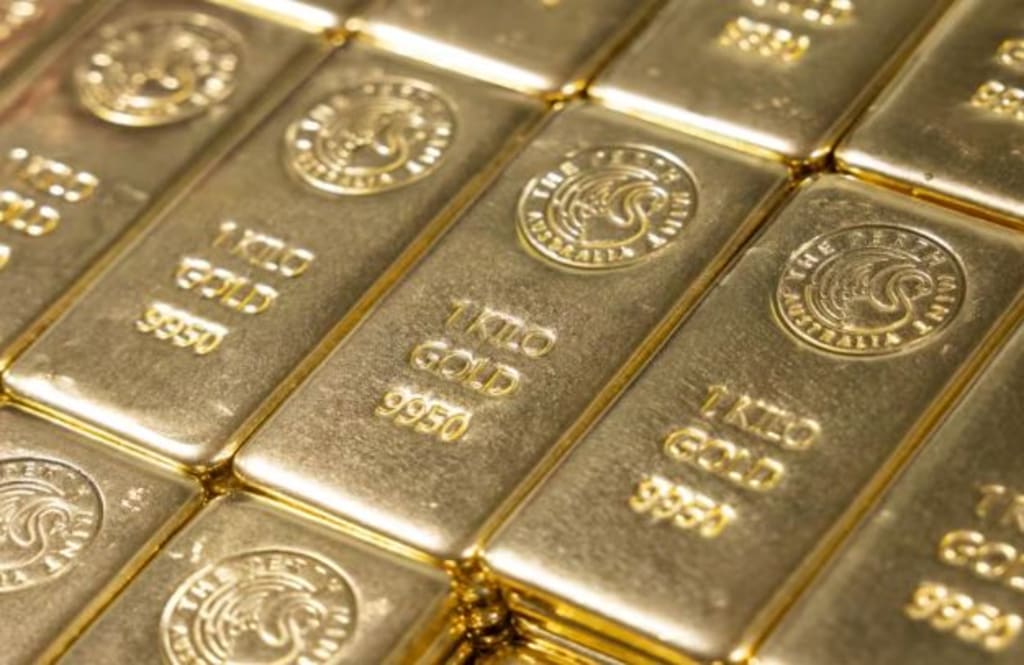
Gold has long been seen as a safe haven—a reliable store of value in times of uncertainty. But when its price begins to fall sharply, it sends ripples across global markets and raises an urgent question: what’s really going on, and what happens next?
Recently, gold has experienced a noticeable and rapid decline, catching both seasoned investors and casual observers off guard. While gold’s price movements are rarely simple, the current downturn reflects a mix of economic forces, shifting investor sentiment, and broader global dynamics. Understanding these factors is key to anticipating where gold may be headed in the coming months.
Why Gold Prices Are Falling
Gold doesn’t move in isolation. Its price is deeply connected to interest rates, currency strength, inflation expectations, and geopolitical stability. The current drop can largely be traced to a few major drivers.
1. Rising Interest Rates
One of the most significant pressures on gold is the rise in interest rates. When central banks increase rates, yields on bonds and savings instruments become more attractive. Since gold doesn’t generate income like interest or dividends, investors often shift their money into these higher-yielding assets.
As a result, demand for gold weakens, pushing prices down.
2. A Stronger U.S. Dollar
Gold is typically priced in U.S. dollars, meaning its value often moves inversely to the dollar. When the dollar strengthens, gold becomes more expensive for buyers using other currencies, reducing global demand.
Recently, the dollar has shown resilience, further contributing to gold’s downward pressure.
3. Cooling Inflation Fears
Gold is often seen as a hedge against inflation. During periods of rising prices, investors flock to gold to preserve purchasing power. However, if inflation appears to be stabilizing or declining, the urgency to hold gold diminishes.
With inflation concerns easing in some major economies, gold’s appeal has weakened.
4. Profit-Taking and Market Psychology
After a strong rally, markets often experience corrections. Many investors who bought gold at lower prices may now be locking in profits, adding to selling pressure.
At the same time, negative momentum can amplify itself—once prices start falling, more investors may sell simply because others are doing so.
What This Means for Investors
A falling gold price doesn’t necessarily signal a long-term decline. Instead, it often reflects a rebalancing of market expectations.
For investors, this moment presents both risks and opportunities.
Short-Term Volatility
In the near term, gold could remain volatile. If interest rates continue to rise or the dollar stays strong, prices may face additional downward pressure.
However, sudden geopolitical events or economic shocks could quickly reverse the trend. Gold has a history of sharp rebounds when uncertainty spikes.
Long-Term Value Remains
Despite short-term fluctuations, gold’s role as a store of value hasn’t disappeared. Central banks around the world continue to hold significant gold reserves, and many investors still view it as a hedge against systemic risk.
This means that while prices may fall in the short term, long-term demand could remain intact.
Key Signals to Watch
To understand where gold is heading next, investors should keep an eye on several critical indicators.
Central Bank Policies
Interest rate decisions will remain one of the biggest drivers of gold prices. If central banks begin to pause or cut rates, gold could regain momentum.
Inflation Trends
If inflation resurges unexpectedly, demand for gold may increase again. On the other hand, continued stability could keep prices subdued.
Geopolitical Tensions
Gold often rises during periods of crisis—whether political, military, or economic. Any escalation in global tensions could quickly boost demand.
Currency Movements
The strength or weakness of the U.S. dollar will continue to play a crucial role. A weakening dollar could provide support for gold prices.
Possible Scenarios for What Comes Next
Given the current landscape, there are a few plausible paths for gold moving forward.
Scenario 1: Continued Decline
If interest rates remain high and economic conditions stay stable, gold could continue to drift lower. In this scenario, investors may favor income-generating assets over safe havens.
Scenario 2: Stabilization
Gold may find a floor after the recent drop, trading within a range as markets digest new information. This would suggest a period of consolidation rather than a dramatic move in either direction.
Scenario 3: Sharp Rebound
Unexpected events—such as financial instability, geopolitical conflict, or a sudden shift in monetary policy—could trigger a rapid rise in gold prices. Historically, gold tends to react quickly to uncertainty.
Is This a Buying Opportunity?
For some investors, falling prices may represent an opportunity rather than a warning sign.
Buying gold during a dip can be attractive for those who believe in its long-term value. However, timing the market is always challenging. Prices could fall further before stabilizing, meaning patience is essential.
Diversification is also key. Rather than relying solely on gold, investors often use it as part of a broader portfolio strategy.
Final Thoughts
Gold’s recent decline is a reminder that even the most stable-seeming assets are influenced by a complex web of economic forces. While the drop may feel sudden, it reflects broader shifts in interest rates, currency strength, and investor sentiment.
What comes next will depend on how these forces evolve. Whether gold continues to fall, stabilizes, or rebounds sharply, one thing is certain: it will remain a closely watched barometer of global economic confidence.
For investors, the challenge—and opportunity—lies in understanding not just where gold is today, but what its movement signals about the world ahead.
About the Creator
Author’s Advice
If you would’ve asked me 20 years ago did I know I’d become a writer and an author, I would’ve said “nope, ain’t happening”. As fate would have it I did become an author and I can honestly say I’m loving it so far. It really does feel good to be a writer. I’ve learned a lot on this journey and I feel like with even me being as new to this world as I am, there’s some wisdom I need to share with every other aspiring author.
By Joe Patterson16 days ago in Journal
Smart Home Renovation Trends That Are Actually Worth the Investment
Smart home technology has been around for years. But for a long time, a lot of it felt like a novelty. Voice-controlled lights. A fridge that told you when you were out of milk. Impressive at a party, but not something that changed daily life in any meaningful way.
By Noor Muhammad Khan4 days ago in Journal




Comments
There are no comments for this story
Be the first to respond and start the conversation.