Latest Stories
Most recently published stories in Longevity.
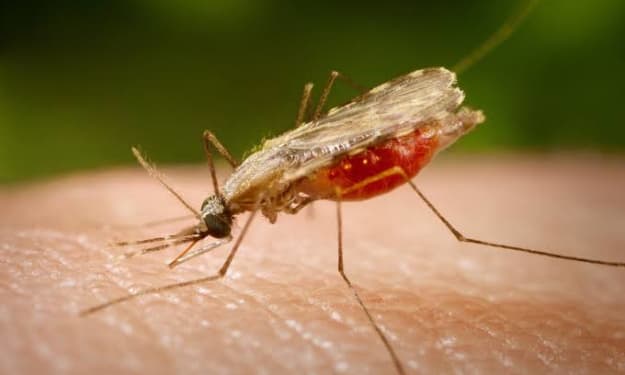
One Key Protein Could Be a Powerful New Target Against Malaria. AI-Generated.
Scientists have uncovered a major vulnerability in the parasite that causes malaria that could lead to a new class of treatments and interventions, offering hope against one of the world’s deadliest infectious diseases. The discovery centers on a crucial protein called Aurora‑related kinase 1 (ARK1), which researchers say is indispensable to the malaria parasite’s ability to grow and reproduce. Despite decades of progress in vaccine development and antimalarial drugs, malaria continues to kill hundreds of thousands of people each year, largely in sub‑Saharan Africa, with young children bearing the greatest burden. The need for new tools to combat the disease — especially ones that operate differently from existing drugs — is urgent. The newly identified protein may offer exactly that. A Parasite’s Weakness Revealed The malaria parasite, Plasmodium, undergoes a complex and unusual form of cell division that is very different from how human cells reproduce. ARK1 plays a central role in this process. The protein directs the assembly of a structure called the spindle apparatus, which ensures that the parasite’s genetic material is accurately split and distributed during cell division. In laboratory experiments, scientists used genetic tools to turn off ARK1 in Plasmodium organisms. The result was dramatic: without this protein, the parasites could no longer form spindles correctly, meaning they failed to replicate at all — either inside human red blood cells or within the mosquito vectors that spread malaria. This effectively stopped their life cycle. “This protein truly heralds a new beginning in our understanding of malaria cell biology,” said one researcher involved in the study. The finding was published in the scientific journal Nature Communications and represents a significant step forward in the fight against malaria. Why ARK1 Is Such a Promising Target There are two key reasons scientists are excited about ARK1 as a target: 1. Fundamental difference from human biology. Humans have their own versions of Aurora kinases — proteins involved in cell division — but the form used by malaria parasites is structurally different. This means it may be possible to design drugs that specifically inhibit ARK1 in the parasite without interfering with human cells, reducing the risk of harmful side effects. 2. Blocking transmission as well as infection. Most antimalarial drugs only affect the parasite once it has infected the human host. ARK1, however, is necessary both in the parasite’s human phase and in its reproductive stage inside mosquitoes. Targeting ARK1 could potentially disrupt the parasite’s life cycle in both hosts — a dual effect that would make new therapies more powerful than many existing options. A New Direction for Antimalarial Therapy Existing antimalarial drugs, such as artemisinin and its derivatives, often target metabolic processes within the parasite. Over time, however, resistance has emerged in some regions, reducing the effectiveness of these treatments. A drug targeting ARK1 could bypass these resistance mechanisms entirely, providing a novel mode of action. Researchers emphasize that this discovery does not immediately translate into a new medicine. Drug development is a complex, costly, and time‑consuming process that involves designing molecules that effectively inhibit ARK1, testing them in laboratory and animal models, and eventually conducting clinical trials in humans. Nevertheless, identifying ARK1 as an essential protein is a major scientific breakthrough that opens the door to these next stages of research. The Global Context Malaria remains one of the most persistent global health challenges. According to health authorities, there were an estimated hundreds of millions of malaria cases in recent years, with a significant number of deaths — particularly among young children in areas lacking access to prompt treatment and preventive measures. While tools like bed nets, insecticides, and vaccines have helped reduce the burden, malaria has proved adept at evading control strategies through adaptation and resistance. By identifying a previously underappreciated target like ARK1, scientists hope to stay ahead of the parasite’s evolutionary tricks. Future drugs that cripple the parasite’s ability to replicate could save countless lives and complement existing measures such as vaccines and vector control programs. Looking Ahead The discovery of ARK1’s critical role marks a promising chapter in antimalarial research. It underscores the value of fundamental biological studies in revealing “Achilles’ heels” within pathogens that can be exploited therapeutically. As researchers begin exploring molecules that can shut down this protein, the global health community may be on the cusp of a powerful new tool in the fight against one of humanity’s oldest foes.
By Fiaz Ahmed 2 days ago in Longevity
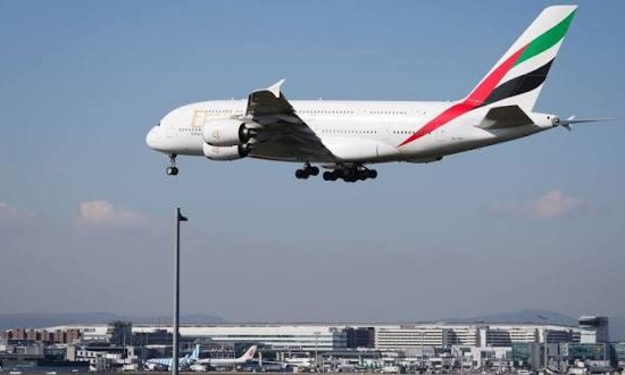
What is a safe air corridor? How planes still fly during airspace closures in the UAE. AI-Generated.
When geopolitical tensions, natural disasters, or security concerns arise, countries may close parts of their airspace to commercial and cargo flights. Yet, aircraft often continue to operate safely in affected regions, thanks to the concept of safe air corridors—predefined routes that allow planes to navigate restricted airspace while avoiding hazards. This system is particularly relevant in the United Arab Emirates (UAE), where strategic location and proximity to regional conflicts occasionally lead to temporary airspace restrictions. Understanding Airspace Closures Airspace closures are imposed by governments or aviation authorities to ensure the safety of aircraft. In the UAE, such closures may occur due to military exercises, regional conflicts, drone activity, or threats to civil aviation. When a segment of airspace is declared off-limits, airlines must reroute flights around the restricted zone to prevent potential risks. These closures are usually coordinated with the General Civil Aviation Authority (GCAA), the UAE’s governing body for civil aviation safety and regulation. During these periods, normal flight operations are disrupted, and pilots rely on updated information from Air Traffic Control (ATC) and real-time navigation systems to maintain safe routes. While closures can delay flights or increase fuel consumption due to longer flight paths, modern aviation technology ensures these detours are safe and efficient. What Are Safe Air Corridors? A safe air corridor is a route designated by aviation authorities that allows aircraft to traverse or bypass areas of restricted airspace without entering dangerous zones. These corridors are carefully calculated using a combination of air traffic control data, radar monitoring, satellite information, and international flight regulations. The primary purpose of a safe air corridor is to: Avoid hazards – This includes potential missile threats, drone activity, or conflict zones. Maintain operational efficiency – Even when parts of airspace are closed, corridors help minimize delays and fuel usage. Ensure separation between aircraft – Air corridors prevent mid-air collisions by providing structured lanes with defined altitudes and headings. Safe air corridors are not unique to conflict regions—they are also used during volcanic ash clouds, severe weather events, or temporary airport closures. For instance, airlines often rely on these corridors to fly safely around storm systems or ash plumes that could damage aircraft engines. How Safe Corridors Work in the UAE The UAE’s geographical position makes it a hub for international flights connecting Europe, Asia, and Africa. Occasionally, regional tensions in nearby countries may lead to partial closures of UAE-controlled airspace. When this happens, the GCAA coordinates with international bodies such as the International Civil Aviation Organization (ICAO) and nearby countries’ air traffic authorities to establish safe routes for airlines. Airlines submit flight plans that adhere to these corridors, which are updated in real-time to account for new threats or operational changes. Pilots follow these predefined paths, adjusting altitudes and headings according to ATC instructions. Advanced navigation systems such as GPS, inertial navigation, and Automatic Dependent Surveillance–Broadcast (ADS-B) ensure that aircraft remain within safe zones throughout their journey. The UAE’s major airlines, including Emirates and Etihad, regularly train their pilots to operate under these conditions. Crew members are briefed on the corridors, alternative routes, and emergency procedures in case of unexpected airspace restrictions. The combination of regulatory oversight, technology, and pilot training allows flights to continue safely even during temporary closures. Coordination with International Flights Because the UAE serves as a transit point for international flights, safe air corridors must also align with global aviation standards. ICAO provides guidance on conflict-zone overflights, advising airlines on risk assessment, insurance requirements, and operational procedures. Many international carriers flying through UAE airspace rely on real-time updates from aviation intelligence providers to adjust their routes proactively, ensuring safety without compromising schedules. Benefits and Limitations Safe air corridors provide a crucial balance between security and operational efficiency. They allow airlines to: Maintain flight schedules despite airspace closures. Reduce risks from regional conflicts or hazards. Protect passengers and crew from potential threats. However, there are limitations. Rerouted flights may experience longer journey times, increased fuel costs, and higher operational complexity. Furthermore, corridors are only as reliable as the intelligence and monitoring systems supporting them. Sudden escalations in regional threats can prompt additional restrictions, requiring dynamic adjustments mid-flight. Conclusion Safe air corridors are an essential component of modern aviation safety, particularly in regions with geopolitical sensitivity such as the UAE. By combining regulatory oversight, advanced navigation systems, and coordinated international protocols, airlines can continue to operate efficiently while minimizing exposure to risk. For passengers, this means that even amid temporary airspace closures, flights can remain largely uninterrupted, demonstrating the robustness and adaptability of the global aviation network. These corridors exemplify how careful planning, technology, and international cooperation come together to ensure that civil aviation continues to operate safely, no matter the challenges above the skies.
By Fiaz Ahmed 2 days ago in Longevity
🍓 8 Best Fruits for Pregnant Women
Pregnancy is a time when nutrition becomes more important than ever. What a mother eats during these months directly supports the growth and development of her baby. Among the many healthy foods recommended during pregnancy, fruits stand out as one of the easiest and most nutritious options.
By Being Inquisitive2 days ago in Longevity
🥑 7 Superfoods Every Pregnant Woman Should Eat for a Healthy Baby
Pregnancy is a beautiful journey, but it also comes with an important responsibility—nourishing both the mother and the growing baby. During this time, what a woman eats becomes the baby’s main source of nutrients.
By Being Inquisitive2 days ago in Longevity
Why Nutrition During Pregnancy Matters More Than You Think
Pregnancy is one of the most important stages in a woman’s life, not only emotionally but also nutritionally. During these nine months, the body works continuously to support the growth and development of a new life. Because of this, nutrition plays a crucial role in ensuring both the mother and the baby remain healthy.
By Being Inquisitive2 days ago in Longevity
Why Skipping Breakfast Is More Harmful Than You Think
Many students skip breakfast without thinking twice. Mornings are busy, classes start early, and sometimes there simply doesn’t seem to be enough time to prepare food. Some people even believe skipping breakfast might help reduce calorie intake.
By Being Inquisitive2 days ago in Longevity
Why Students Feel Productive at Night
Why Students Feel Productive at Night? Many students have experienced this strange pattern. During the day, studying feels difficult. You sit at your desk, open your notes, and suddenly everything else feels more interesting. Your phone, social media, even cleaning your room becomes more appealing than studying.
By Being Inquisitive2 days ago in Longevity
How to Whiten Teeth Naturally: What Actually Works (and What to Avoid)
A bright smile has always been associated with confidence. Whether you’re leading a boardroom meeting or just laughing at a joke with friends, your teeth are the first thing people notice. But over time, your teeth start losing their natural brightness. The daily cup of chai or coffee, colourful Indian spices, smoking, or simply aging can slowly leave behind stains. How to whiten teeth naturally? In many Indian houses, home remedies, or ‘Nuskhas‘, are passed down like heirlooms. You may hear, ‘Hey, try brushing with baking soda’ or ‘rub a lemon on your teeth.’ Social media is full of such “natural whitening hacks”, promising quick results without a visit to the dentist. So, do these remedies actually work? And more importantly, are they safe for your teeth?
By Good health to everyone2 days ago in Longevity