bipolar
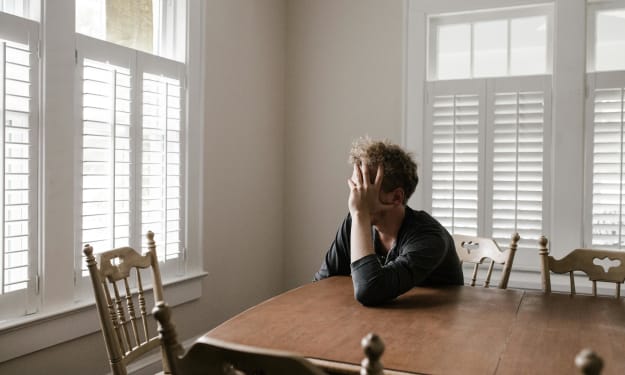
Bipolar disorder; understanding the highs, the lows and the in between.
Role of a Psychologist - Mental Health Professionals in Patna. AI-Generated.
Navigating the world of mental health can be challenging, especially when you're trying to figure out which type of psychologist is right for your needs. In cities like Patna, where mental health awareness is growing, it’s important to know the differences between psychologists, therapists, psychiatrists, and other mental health professionals. This blog aims to clarify these roles, address common questions, and guide you toward finding the best psychologist in Patna for your specific needs.
By Best Psychiatrist Patna2 years ago in Psyche
Exploration of the psychological underpinnings of Dark Empaths
Getting Through the Dark: Narcissists vs. Dark Empaths: Understanding, Identifying, and Liberating I have always been fascinated and intrigued by the limitless potential humans hold, which propels us on the path of progression. The odyssey of transforming primitiveness into a touch of modernism is the beauty of the prowess of the human mind. In the vast and complex tapestry that constitutes human relationships, the delicate interplay between these contrasting forces often presents itself as an enigma. Have you ever experienced the captivating yet perplexing dynamics between light and shadow, empathy and narcissism? Within this intricate landscape, dark empaths and narcissists stand out as compelling and enigmatic figures, each characterized by a distinct array of traits and behaviours. On the other hand, susceptible people (HSP), recognized for their deep emotional awareness and sensitivity to the feelings of others, often find themselves traversing the challenging terrain of relationships with these fascinating, yet sometimes troubling, personalities. This journey can be both enlightening and bewildering, as HSPs strive to understand and navigate the emotional landscapes shaped by the contrasting influences of empathy and narcissism.
By Hridya Sharma2 years ago in Psyche
An In-Depth Overview of Bipolar Disorder
Bipolar disorder is a type of mood disorder that involves alternating phases of depression and elevated moods, known as hypomania or mania. While most people go through normal emotional ups and downs, those with bipolar disorder experience much more intense mood swings. These swings can lead to extreme feelings. Before we dive back into the graph, let’s clarify what depressive and manic symptoms are.
By Kasia Schlatter2 years ago in Psyche
Failing at Normal
Hello, brains! I say that to you because, if you think about it, it wasn’t really you who decided to come here today. It was your brain. Whether you walked, drove, took a taxi, or rode a bike, that decision was made by your brain. Behavior, all behavior, is affected by the brain. This is a story about my brain.
By Horace Wasland2 years ago in Psyche
Navigating the Chaos: Understanding the Latest Rehabilitation Council of India Guidelines in 2024
Navigating the Chaos: Understanding the Latest Rehabilitation Council of India Guidelines in 2024 The recent guidelines issued by RCI have created unrest amongst the aspiring minds of psychology. The Rehabilitation Council of India (RCI) has released a fresh circular specifically targeting individuals who have a keen interest in studying psychology. The regulatory body has recently introduced a new set of guidelines for the BSc Clinical Psychology (Honours) course. It aimed to address the need for trained and competent professionals for mental health, more specifically for the treatment of patients with less serious emotional and psychological ailments, that could be detrimental in the long run.
By Hridya Sharma2 years ago in Psyche
Mastering Mind Control
Research into human behavior reveals that first impressions are made incredibly quickly—often within a tenth of a second. These initial judgments are based predominantly on non-verbal cues, such as body language and facial expressions, rather than the spoken word. While it is commonly believed that our verbal communication is crucial, psychologists estimate that only about 7% of communication is conveyed through actual words. The remaining 93% is expressed through non-verbal signals, including gestures, posture, eye contact, and vocal tone. These non-verbal cues provide a more nuanced understanding of an individual’s emotional state, personality, and intentions. This process is closely related to the concept of dark psychology, which involves understanding and manipulating psychological principles to influence and control others. The rapid, subconscious evaluation of these cues can significantly impact our interactions and judgments about others, sometimes exploiting their vulnerabilities through dark psychological tactics.
By Horace Wasland2 years ago in Psyche
Unlocking the Power of Faith
In today's fast-paced world, the pursuit of mental wellness often feels like an elusive quest. The constant barrage of internal and external pressures can lead individuals down an unhealthy path, paving the way for addiction and other mental health challenges to take root. However, research has shown that embracing spirituality and faith can be a formidable strategy for recovery and overall well-being.
By Kevin MacELwee2 years ago in Psyche
Letting Go: How Detachment Can Help You Heal Toxic Relationships
Letting Go: How Detachment Can Help You Heal Toxic Relationships Many individuals in the self-help and dating advice community often emphasize the importance of independence, but there is a disconnect between societal norms and scientific evidence. Building strong emotional connections with others has been shown to result in increased levels of happiness, success, and overall well-being in individuals' lives. Some individuals offer self-help and dating advice and believe in the importance of being independent, but there is a disconnect between societal norms and scientific research. Building strong emotional connections with others has been shown to increase happiness, effectiveness, and overall stability in life.
By Hridya Sharma2 years ago in Psyche