pop culture
Representations of mental health in pop culture; dissect and discuss popular psychology, mental illness stigmas, and media depictions.
Why Storms and Heavy Rain Feel So Comforting to Some People
Not everyone finds comfort in chaos — but some do. Some people feel strangely calm when the skies darken. When the thunder rolls in. When the rain crashes against windows like a memory they can’t quite place.
By SHADOW-WRITES9 months ago in Psyche
Things Trauma Survivors Do That Seem Rude — But Are Actually Coping Mechanisms
They say you’ve changed. That you’re cold. Distant. Rude. But they don’t know the whole story. They don’t know what it took to rebuild yourself after pain. They don’t see the layers beneath your silence. They don’t realize that what looks like “attitude” is actually *survival.*
By SHADOW-WRITES9 months ago in Psyche
Trapped in Loops: Making Sense of Obsessive-Compulsive Disorder
Introduction Obsessive-Compulsive Disorder (OCD) is one of the most misunderstood and often misrepresented mental health conditions in modern discourse. Though the term is frequently tossed around casually to describe someone who likes cleanliness or order, true OCD is far more complex and debilitating. It is a chronic mental disorder marked by intrusive thoughts (obsessions) and repetitive behaviors or mental acts (compulsions) that an individual feels driven to perform. These symptoms can significantly interfere with a person’s daily life, relationships, and emotional wellbeing.
By Siria De Simone9 months ago in Psyche
If You’ve Outgrown Someone, You Don’t Need to Hate Them to Let Go
Letting go doesn’t always come with closure. Sometimes it doesn’t come with a fight, betrayal, or big breakdown either. Sometimes, it’s just a slow drifting. A quiet realization. A feeling that the connection no longer fits — not because they were bad, but because you changed.
By SHADOW-WRITES9 months ago in Psyche
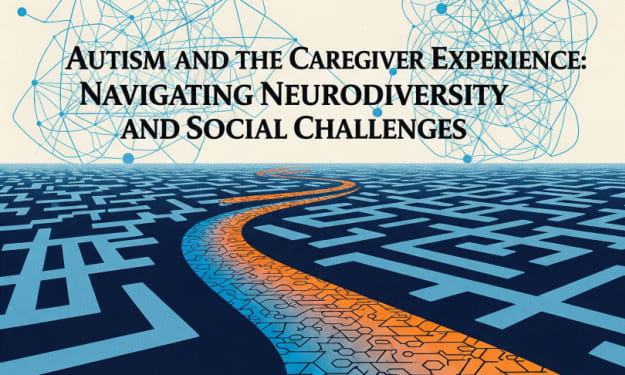
Autism and the Caregiver Experience: Navigating Neurodiversity and Social Challenges
Introduction Autism Spectrum Disorder (ASD) is a complex neurodevelopmental condition characterized by persistent challenges in social interaction, communication, and behavior. As the prevalence of ASD continues to rise globally, awareness of the condition has increased. However, less attention is given to the caregivers of individuals with autism—those who navigate daily responsibilities that often involve emotional, financial, and social strain. This article explores not only the neuropsychological aspects of ASD but also the social dynamics and mental health consequences experienced by caregivers. By understanding both perspectives, we aim to shed light on the full ecosystem surrounding autism.
By Siria De Simone9 months ago in Psyche