defense
Moving through the ranks of military activity including infrastructure, wars, our commander in chief and the nucleur arms race.
U.S. strategic competition with China.
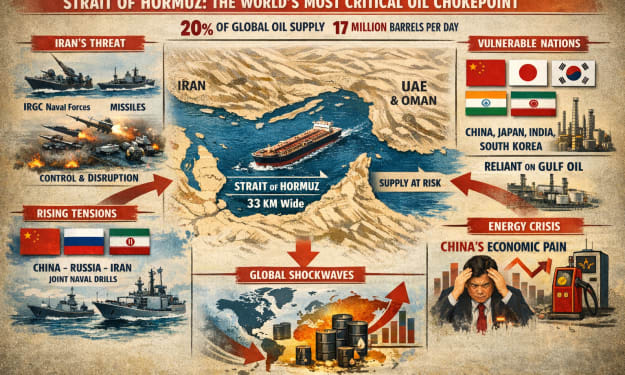
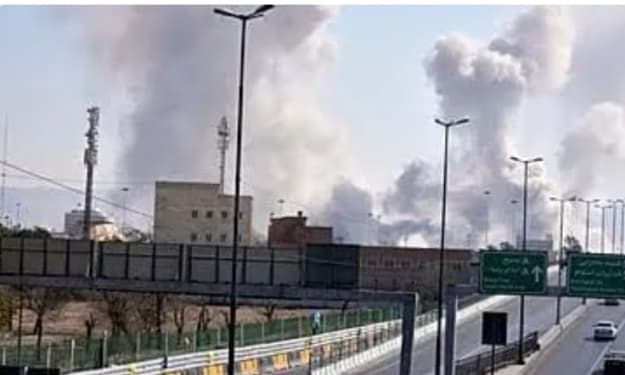
This war Stop being a medley story the moment the first oil tanker changed course in the Persian Gulf. What I mean is, Strait of Hormuz is the most important energy bottleneck on earth. Everybody knows it is the most important energy bottleneck on earth. And if it was the threat from Iran last time, this time Iran has partially done it. It is so narrow, IRGC has a lot of control over it. Just like in the Strait of Malacca, army/navy has control over it. Similarly, here the Iranians have control over it. And recently, China, Russia, and Iran have already conducted war games. So it is this narrow, 33 kilometers wide, you are hearing about it everywhere, everybody is talking about it. It is the width of a large city. So in this narrow passage, which holds 20% of the world's oil, one fifth of the world's oil and gas goes through, it is around 17 million barrels per day. There is no realistic alternative route except the Strait of Hormuz. If we close this passage, its consequences will not stop at any one border. Europe will pay, Japan will pay, India, South Korea, China, everybody pays the price. So a theory is floating around, which backs my argument that China is the target. It is that in Washington circles, there is a discussion going on, let's be honest, if this happens, what do we have to do? The hawkish people there say that this disruption should be allowed because it does not impact them as much as it impacts those countries, which I have just mentioned. So let's take this opportunity that the slowdown of China's energy supply can be slowed down. Trap Beijing in such an expensive moment as long as this congestion remains in the Strait of Hormuz, it remains closed, partially or completely. Iran keeps Beijing hit very badly from an energy security point of view. So the containment policy of China that is already going on is an added bonus. So imagine, on one hand, you are doing everything with technology and trade, imposing tariffs, treating them in the South China Sea, imagine all this. And from the other side, almost 90% of the oil and gas supplies go to China. If it is blocked for a few days, how badly it will hit China. So imagine, while the world is suffering, they are only having strategic designs in their minds.
By Ibrahim Shah 8 days ago in The Swamp
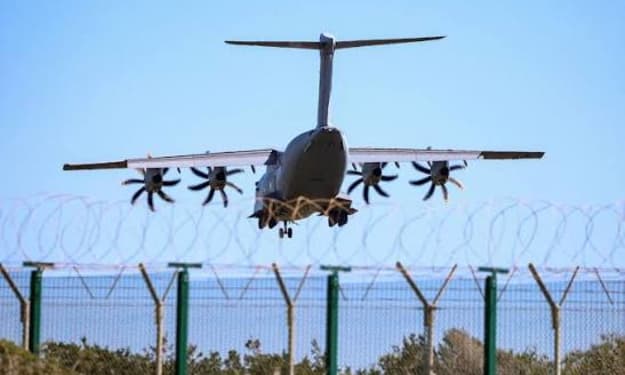
Defence Force Plane Bound for Middle East to Help New Zealanders Stranded by Conflict. AI-Generated.
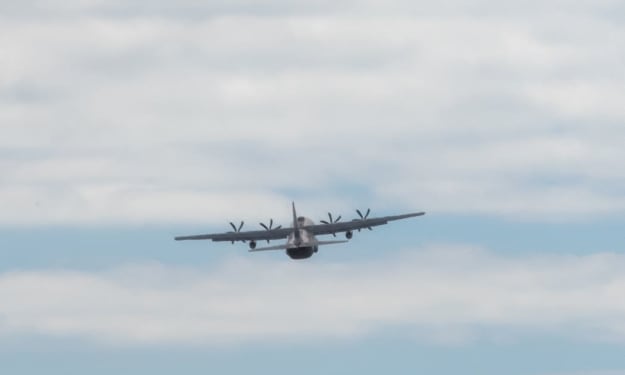
New Zealand’s government has deployed a Defence Force aircraft to the Middle East to assist citizens stranded amid escalating conflict, demonstrating the country’s commitment to the safety and security of its nationals abroad. The mission comes as regional instability has intensified, threatening the safety of foreign nationals, including New Zealanders, living and traveling in affected areas. The Royal New Zealand Air Force (RNZAF) confirmed that a C-130 Hercules transport plane is en route to coordinate evacuations and provide logistical support. Defence Minister Andrew Little emphasized that the deployment is precautionary but necessary to ensure that New Zealand citizens can leave high-risk zones safely. “New Zealanders’ safety is our top priority,” Minister Little said. “We are closely monitoring the situation and taking all necessary measures to assist those affected by the conflict. This aircraft will support evacuation efforts and provide transport for New Zealanders who need to return home.” Responding to Rising Regional Tensions The deployment follows a surge in hostilities across parts of the Middle East, including missile strikes, airspace restrictions, and armed clashes. Governments worldwide have been scrambling to evacuate citizens from areas experiencing sudden escalations. New Zealand’s initiative reflects both proactive planning and international cooperation. Officials are liaising with foreign governments, regional authorities, and international organizations to facilitate safe passage and avoid potential conflict zones. Airspace coordination is particularly critical, as commercial flights may be limited or diverted due to military activity in the region. The Role of the Defence Force Aircraft The RNZAF’s C-130 Hercules is a versatile transport aircraft capable of carrying personnel, vehicles, and essential supplies. Its deployment allows for rapid extraction of citizens from high-risk locations, as well as the transport of humanitarian aid if required. Military officials note that the aircraft’s ability to operate in challenging environments is crucial for ensuring the safe evacuation of New Zealanders. The plane will also provide real-time updates to the Ministry of Foreign Affairs and Trade (MFAT) regarding conditions on the ground, enabling better coordination of subsequent flights and support services. Assisting New Zealanders Abroad New Zealand’s government has urged citizens traveling or living in the Middle East to register with the Smart Traveler Enrollment Program (STEP) or the local equivalent maintained by MFAT. The ministry has also set up a 24-hour contact line to provide guidance, updates, and support to New Zealanders affected by the conflict. “For those in affected areas, it is vital to stay informed and follow the advice of authorities,” said an MFAT spokesperson. “Our teams are working around the clock to ensure all New Zealanders are safe and accounted for.” The Defence Force deployment underscores the country’s commitment to rapid, coordinated responses in crises. It also illustrates the importance of military assets in supporting humanitarian and evacuation operations, especially in regions where commercial travel may be disrupted or unsafe. International Cooperation and Challenges Evacuations in conflict zones often require careful coordination with multiple governments and organizations. Officials must navigate airspace restrictions, security checkpoints, and local regulations, all while maintaining the safety of evacuees and crew. New Zealand’s deployment is part of a broader international trend, as countries prioritize the safety of their citizens amid unpredictable regional conflicts. Lessons learned from previous evacuations, such as those in Afghanistan and Iraq, have informed planning and operational readiness for missions like this one. Looking Ahead The RNZAF aircraft is expected to make multiple trips, depending on the number of New Zealanders requiring evacuation and the evolving security situation. Meanwhile, the government continues to assess the situation in real time, ready to deploy additional support if necessary. By taking swift action, New Zealand demonstrates its commitment to protecting its citizens overseas while navigating complex regional security challenges. For New Zealanders in the Middle East, the arrival of the Defence Force plane provides a lifeline and a measure of reassurance amid ongoing uncertainty.
By Fiaz Ahmed 8 days ago in The Swamp
Royal Navy Wildcat helicopters arrive to defend Cyprus. AI-Generated.
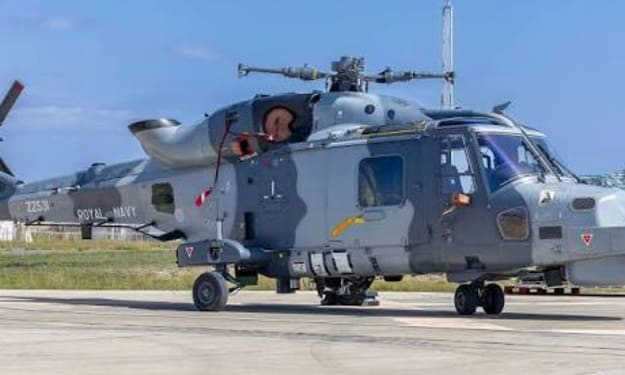
The United Kingdom has deployed advanced naval helicopters to Cyprus as part of a wider effort to strengthen defenses around the island amid rising tensions in the eastern Mediterranean. The arrival of the AgustaWestland AW159 Wildcat helicopters operated by the Royal Navy highlights growing concerns about regional security and the potential for further military escalation. The helicopters were transported to British sovereign bases in Cyprus, where they will support surveillance, air-defense coordination, and maritime security operations. British defense officials say the deployment is intended to protect personnel and infrastructure while ensuring that the United Kingdom can respond quickly to any emerging threats in the region. Strengthening Defenses at Strategic Bases Britain maintains two major sovereign base areas on Cyprus—RAF Akrotiri and Dhekelia—which have long served as strategic hubs for military operations in the Middle East and eastern Mediterranean. These installations allow the United Kingdom to conduct air operations, intelligence missions, and humanitarian support across a wide geographic area. The arrival of Wildcat helicopters enhances the defensive capabilities of these bases. Known for their advanced radar systems and agility, the helicopters are designed to conduct reconnaissance, maritime patrols, and anti-surface warfare operations. Their sensors allow crews to detect small vessels, drones, and other potential threats at sea or along coastlines. British officials say the aircraft will also work closely with naval vessels operating nearby, creating a layered defense network designed to protect both military personnel and regional shipping routes. Rising Regional Tensions The deployment comes at a time of heightened tensions across the Middle East and eastern Mediterranean. Conflicts involving Iran, Israel, and the United States have increased concerns that the conflict could spill into neighboring areas or threaten international shipping lanes. Cyprus, located at a crossroads between Europe, Asia, and the Middle East, has become an important staging point for military operations and evacuation missions. Western forces have used the island’s bases to support surveillance flights, humanitarian operations, and logistical support for regional allies. Security analysts note that Cyprus’s strategic location makes it both valuable and potentially vulnerable during periods of regional instability. Role of the Wildcat Helicopter The AW159 Wildcat represents one of the most modern helicopters currently used by the Royal Navy. Designed for multi-role operations, the aircraft can carry precision-guided missiles, torpedoes, and advanced surveillance systems. Its compact size allows it to operate from both naval ships and land bases. Military planners often deploy the Wildcat in situations where flexibility and rapid response are required. The helicopter’s sensors can track multiple targets simultaneously, while its communication systems allow it to coordinate with ships, aircraft, and ground forces. Experts say these capabilities make the Wildcat particularly valuable in scenarios involving drone threats, small attack boats, or other fast-moving targets that can challenge traditional air-defense systems. A Broader Security Strategy British defense officials emphasize that the helicopter deployment is part of a broader strategy aimed at maintaining stability in the region. The United Kingdom continues to work with NATO partners and regional allies to monitor security developments and deter potential threats. In addition to the Wildcat helicopters, Britain has strengthened naval patrols and increased intelligence-sharing efforts with partner nations operating in the Mediterranean. These measures are intended to protect international shipping routes and prevent further escalation of regional conflicts. For Cyprus, the presence of additional British military assets reflects both the island’s strategic importance and the growing complexity of the regional security environment. Looking Ahead While British officials describe the deployment as precautionary, analysts say it highlights the fragile state of security in the eastern Mediterranean. As conflicts elsewhere in the region continue to evolve, Cyprus is likely to remain a key operational hub for Western forces. The arrival of the Royal Navy’s Wildcat helicopters underscores the United Kingdom’s commitment to protecting its overseas bases and maintaining a military presence capable of responding to rapidly changing threats.
By Fiaz Ahmed 8 days ago in The Swamp
Typhoon Spotted Loaded With Rocket Pods for the First Time. AI-Generated.
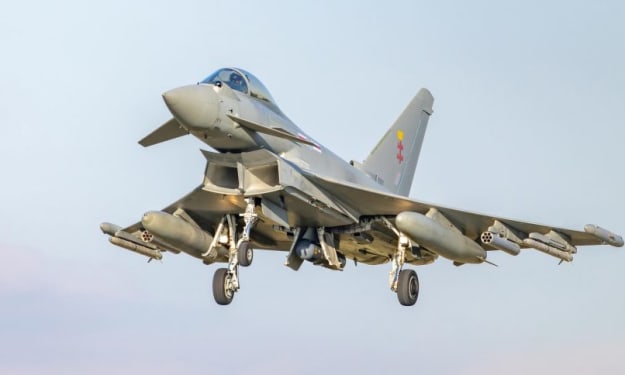
A rare and notable sighting of a combat aircraft has drawn attention from defense analysts around the world after a Eurofighter Typhoon was photographed carrying rocket pods for the first time. The unusual weapons configuration suggests that the advanced fighter jet may be expanding its operational role beyond traditional air-to-air combat and precision strike missions. Images of the aircraft, released during a recent training exercise, show the Typhoon equipped with unguided rocket pods mounted beneath its wings. The development has sparked discussion among military experts about how modern air forces are adapting their fleets to respond to evolving battlefield demands. The Eurofighter Typhoon is widely regarded as one of the most capable fourth-generation fighter aircraft in service today. Designed primarily as an air-superiority fighter, the jet has gradually been adapted over the years to perform a broader set of roles, including ground attack, reconnaissance, and electronic warfare. Traditionally, the Typhoon has been armed with precision-guided bombs, air-to-air missiles, and sophisticated targeting systems. The addition of rocket pods, however, indicates that military planners may be exploring new ways to use the aircraft in close air support (CAS) missions, where pilots provide direct assistance to ground troops during combat operations. Rocket pods typically carry multiple unguided rockets, which can be fired rapidly in succession to suppress enemy positions or provide firepower against lightly armored vehicles and defensive positions. These weapons have long been used by attack aircraft and helicopters, but they are less commonly seen on high-performance fighter jets like the Typhoon. Defense analysts say that adding rocket pods could give Typhoon pilots greater flexibility in certain operational scenarios. While precision-guided munitions remain highly effective against strategic targets, unguided rockets can be useful in situations where rapid firepower is required against dispersed enemy forces. The new configuration also highlights the adaptability of the Typhoon platform. The aircraft was originally developed through a multinational partnership involving several European countries, including United Kingdom, Germany, Italy, and Spain. These nations continue to upgrade the jet’s capabilities to ensure it remains competitive in a rapidly evolving security environment. Some analysts believe the rocket pod configuration could be linked to recent conflicts where air forces have needed to engage a wide variety of targets, ranging from armored vehicles to irregular militia forces. In such conflicts, having multiple weapon options available on a single aircraft can significantly enhance operational flexibility. Another factor behind the development may be the increasing emphasis on multi-role capability in modern air forces. As defense budgets come under pressure and security challenges multiply, militaries are seeking aircraft that can perform several missions without requiring specialized platforms for each task. The Typhoon has already proven its versatility in several international operations. The aircraft has been deployed in air-policing missions across Europe, participated in NATO exercises, and carried out combat operations in regions such as the Middle East. Each deployment has led to further upgrades in the aircraft’s weapons systems, sensors, and mission software. Despite the excitement generated by the recent sighting, defense officials have not yet confirmed whether the rocket pod configuration will become a standard option for Typhoon squadrons. It is possible that the setup is being tested as part of an experimental evaluation or training program. If the configuration does enter regular service, it could represent a subtle but important shift in how modern fighter aircraft are used in complex conflicts. By combining high-speed performance, advanced sensors, and diverse weapon systems, the Typhoon would be able to operate effectively in both high-intensity warfare and lower-intensity battlefield support roles. For now, the images of the rocket-armed Typhoon serve as a reminder that even well-established military platforms continue to evolve. As technological innovation and changing battlefield requirements shape the future of warfare, aircraft like the Typhoon are likely to undergo further modifications to meet the challenges of modern combat.
By Fiaz Ahmed 8 days ago in The Swamp
Drone Strike Drives Calls to End British Military Presence on Cyprus. AI-Generated.
Tensions in the Eastern Mediterranean have spiked sharply this week after a drone strike hit Britain’s Royal Air Force base at Akrotiri on the island of Cyprus, reigniting longstanding debate over the presence of British military forces there and prompting renewed calls from local politicians and civil society for the bases to be withdrawn entirely. The strikes, occurring against the backdrop of the wider conflict involving Iran, Israel and the United States, have heightened anxieties that Cyprus could be drawn into a regional war. The incident on March 2, 2026, involved an unmanned attack drone — widely believed to be an Iranian‑made model launched by a proxy such as Hezbollah — that struck the hangar at RAF Akrotiri, causing limited but highly visible damage. No casualties were reported, but the attack was significant as one of the few direct hits on a British sovereign base in decades. The existence of British sovereign base areas in Cyprus dates back to the country’s independence in 1960, when the UK retained control of the Akrotiri and Dhekelia sites as part of longstanding treaty arrangements. These installations have traditionally served as strategic air and naval hubs for British and allied operations in the region. However, their continued presence has long been a source of public unease among some segments of the Cypriot population and political class. Rising Local Opposition In the days following the drone strike, protest movements gathered outside the Presidential Palace in Nicosia, with demonstrators demanding an end not only to the British military presence but also to broader military cooperation with the United States, Israel, and other nations involved in the Middle East conflict. One protest leader told local media that “Cyprus should not be a target because outside powers are using its territory for war,” echoing long‑held sentiments among critics of foreign military bases on the island. Political figures in Cyprus — which is a member of the European Union but not of North Atlantic Treaty Organization — have also expressed serious concern about being caught in escalating regional hostilities. President Nikos Christodoulides has diplomatically noted that attacks were aimed at the British bases and not at Cyprus itself, highlighting the delicate balancing act Nicosia faces between sovereignty and security cooperation. Diplomatic and Security Fallout Britain’s response has been to bolster defenses around its Cypriot bases rather than retreat. In recent days, the UK has reinforced its presence with anti‑drone helicopters, additional naval assets like the Royal Navy destroyer HMS Dragon, and expanded air defense systems to protect against further unmanned aerial threats. The Ministry of Defence has emphasized that these deployments are defensive in nature. British Prime Minister Keir Starmer has also come under pressure over the situation, with critics both at home and abroad questioning the clarity of London’s policy on the region’s escalating conflicts and the strategic use of the Cypriot bases. He has been compelled to publicly clarify that Britain is not formally at war but is supporting defensive measures for its personnel and allies. Cypriot officials have criticized the level of information‑sharing and cooperation surrounding base security, suggesting that clearer communication and assurances are needed to reassure local populations. President Christodoulides has acknowledged the deployment of European and allied support — including operations by Greek, French and Spanish forces — but stopped short of calling for the removal of the bases, instead stressing the need for diplomatic de‑escalation. Why the Controversy Matters The debate over the British bases in Cyprus intersects several broader geopolitical dynamics. For one, Cyprus sits near key maritime routes and has become strategically vital for Western military operations tied to the Middle East. Its locations allow rapid deployment of air assets into the region and support surveillance and intelligence missions across the eastern Mediterranean. For many Cypriots, however, the presence of foreign military forces — particularly in a context of increasing proximate violence — raises legitimate concerns about national sovereignty and civilian safety. The protest movement argues that being home to foreign bases effectively exposes Cyprus to risks that it has neither chosen nor consented to fully, especially as regional powers and their proxies demonstrate willingness to project force far beyond their core territories. The question of whether Cyprus should reassess its treaty arrangements with the UK will likely remain a topic of political debate on the island. While there is no immediate indication that Nicosia will formally pursue the removal of British bases, the drone strike has amplified voices calling for a reevaluation of the military presence and its long‑term implications. Looking Ahead As regional conflicts continue to evolve, Cyprus finds itself at the intersection of shifting security landscapes. With mounting civilian unease, political pressure for policy review, and continuing military threats, the future of British military presence on the island may face increasing scrutiny from both domestic and international stakeholders. Whether the calls for withdrawal translate into concrete policy changes remains uncertain. For now, though, the drone strike at Akrotiri has brought a renewed spotlight to an issue that blends history, geopolitics, and national identity — raising fundamental questions about the role of foreign military bases in an increasingly volatile world.
By Fiaz Ahmed 8 days ago in The Swamp
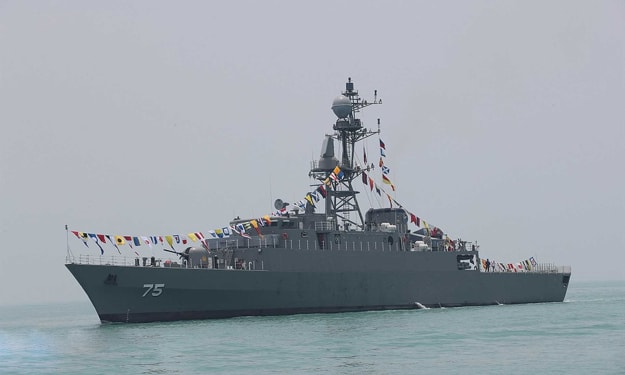
Iris Dena. AI-Generated.
In the digital age, a single phrase can travel across continents within minutes. Recently, search terms such as “Iris Dena,” “submarine sinks Iranian ship,” and “Mark 48 torpedo” have circulated widely online, often tied to dramatic claims involving the Iranian navy and waters near Sri Lanka. These narratives, sometimes framed around an alleged incident involving an Iranian warship, illustrate how quickly maritime rumors can capture public attention.
By Saboor Brohi 9 days ago in The Swamp
The Last Time a U.S. Navy Submarine Sunk an Enemy Ship in Combat. AI-Generated.
The U.S. Navy’s submarine force is among the most powerful and secretive elements of America’s military, but in the nearly 80 years since World War II, its boats have rarely been called on to directly sink enemy ships in combat. The last confirmed instance of an American submarine sinking an enemy vessel in open wartime conditions occurred during the Gulf War in 1991, when a Los Angeles‑class nuclear‑powered fast attack submarine engaged and destroyed an Iraqi Tench‑class patrol ship in the northern Arabian Gulf. That action — swift, precise, and largely unheralded at the time — marked the closing chapter of a long tradition of submarine warfare that had its most intense chapters during the Pacific campaigns of World War II. Since then, strategic deterrence, surveillance, intelligence gathering, and special operations support have become the primary missions of U.S. submarines, even as their weaponry and reach have grown far more capable. The 1991 Engagement: Submarine Combat in the Gulf In January 1991, during Operation Desert Storm, the United States and coalition forces launched a massive campaign to expel Iraqi forces from Kuwait after Saddam Hussein’s invasion of 1990. The conflict featured overwhelming air and ground power, but the U.S. Navy’s submarines also played critical roles in controlling littoral waters, collecting intelligence, and denying the Iraqi military freedom of movement. The submarine USS Baton Rouge (SSN‑689), a Los Angeles‑class fast attack boat, was operating in the northern Arabian Gulf when it detected an Iraqi patrol ship attempting to harass coalition vessels. Using its sophisticated sonar and combat systems, the submarine tracked the target and made the decision to engage under established rules of engagement governing wartime operations. At approximately 3 nmi from the target, Baton Rouge fired a Mark 48 torpedo, the same heavyweight anti‑ship/anti‑submarine weapon that remains a staple of U.S. submarine armament today. The torpedo struck the Iraqi patrol ship, which rapidly sank. There were no U.S. casualties, and the action was completed without broader escalation — reflecting both the tactical precision and strategic restraint that characterise modern U.S. submarine warfare. Though this engagement marked the last official sinking of an enemy warship by a U.S. submarine in direct combat, submarines continued to contribute significantly in other ways throughout the Gulf War and in subsequent conflicts, including launching Tomahawk land‑attack cruise missiles and supporting special forces. From World War II to the Gulf: The Evolution of Submarine Warfare The submarine’s role in combat was drastically different during World War II, when they were at the vanguard of naval warfare in both the Atlantic and Pacific Theatres. In the Pacific, U.S. submarines targeted Japanese shipping relentlessly, contributing to the isolation and eventual defeat of Japan by cutting supply lines and sinking warships and merchant vessels alike. By contrast, the late 20th‑ and early 21st‑century conflicts have seen submarine operations geared more toward deterrence, power projection, and precision strike. Nuclear‑powered submarines now conduct intelligence, surveillance, and reconnaissance (ISR) missions and carry Tomahawk missiles capable of striking targets thousands of miles inland — making traditional surface engagements rarer. The Modern Strategic Context Today’s submarines remain among the most advanced weapons systems in the U.S. arsenal. The latest Virginia‑class attack boats combine stealth, long endurance, and multi‑domain strike capabilities. Yet direct surface engagements like the one in 1991 are unlikely to be common. Modern naval strategy emphasises deterrence and precision fires, using submarines to gather information, conduct covert operations, and strike land targets rather than to seek out enemy ships. The changing character of naval combat also reflects broader geopolitical shifts. Many potential adversaries lack significant surface fleets, focusing instead on missile systems, submarines of their own, or asymmetric sea denial strategies. When surface combat occurs in future conflicts, the consequences — including civilian harm and escalation — will also weigh on commanders’ decisions about whether and how to engage. Why the 1991 Engagement Still Matters The action in the northern Arabian Gulf remains significant for several reasons: Historical continuity: It was the last time an American submarine sank an enemy warship in traditional naval combat. Tactical precision: The engagement demonstrated the ability of submarines to strike decisively and safely in crowded littoral waters. Strategic restraint: The action was tightly controlled, aligning with broader military objectives without triggering disproportionate escalation. Submarines today may seldom end their missions with a sunken enemy ship on the bottom of the sea, but their impact on global security is no less profound. From ballistic missile deterrence to covert ISR and land‑attack missions, the silent service continues to shape strategic outcomes in ways that often remain invisible to the general public. If future conflicts bring renewed surface engagements, lessons from the 1991 Gulf War action — precision, restraint, and integration with broader strategy — will inform how submarine commanders act. Until then, the sinking by Baton Rouge stands as the most recent chapter in a long and storied tradition of U.S. submarine warfare.
By Fiaz Ahmed 10 days ago in The Swamp
Why Ecuador Invited the U.S. Military to Help With Its Drug Gangs. AI-Generated.
In an extraordinary move that underlines the severity of criminal violence in Ecuador, the government has formally invited the United States military to assist in confronting powerful drug trafficking organisations that have turned large parts of the South American nation into de facto battlegrounds. This decision reflects years of escalating narco‑violence, institutional weakness in law enforcement, and a regional security environment that authorities say has outpaced Ecuador’s capacity to respond alone. The announcement came in early March 2026, shortly before Ecuador and the U.S. launched a joint anti‑drug operation supported by United States Southern Command. Quito’s decision has triggered debate both domestically and internationally, raising questions about sovereignty, regional cooperation, and the shifting nature of the global drug trade. A Growing Crisis Ecuador sits at a strategic nexus of the global cocaine supply chain. Bordered by Colombia, one of the world’s top cocaine producers, and Peru, another major source of illicit coca, Ecuador has seen an influx of criminal groups seeking control of trafficking routes to the Caribbean, Galápagos Islands, and Pacific outlets. By 2025, violent crime in Ecuador had soared. Homicide rates, once among the lowest in the region, began rivaling those of much larger countries. Cartel violence — driven by factions such as Los Lobos and Los Choneros — spilled into urban centres like Guayaquil, where turf wars, extortion, and public shoot‑outs have become disturbingly common. Law enforcement in many provinces struggled to contain the flow of weapons and coordinated attacks on police. Officials in Quito have described the spiralling violence as “narco‑terrorism,” reflecting how drug networks have evolved into powerful quasi‑military organisations that challenge state authority. According to Ecuadorian authorities, conventional policing strategies were inadequate to counter these heavily armed networks, prompting consideration of military assistance. Why Washington and Quito Partnered Ecuador’s invitation to the U.S. military did not happen overnight. It is the result of sustained diplomatic engagement, regional pressure, and shared security concerns. For the United States, the rationale blends foreign policy, national security, and domestic political pressures stemming from drug use and trafficking within its own borders. U.S. officials have cited three main reasons for supporting Ecuador: Disrupting the Supply Chain: Ecuador has become a crucial transit point for cocaine moving from South America toward the U.S., Europe, and beyond. By assisting Quito, Washington aims to reduce supply flows before they reach open seas or cross into Central America. Intelligence Sharing: U.S. military and intelligence assets can provide advanced surveillance, aerial reconnaissance, and tracking technologies that Ecuadorian forces lack. This complements local operations and enhances interdiction effectiveness. Regional Stability: U.S. strategy emphasises preventing narco‑violence from spilling into neighbouring countries, destabilising governments, and creating humanitarian crises akin to those seen in other parts of Latin America. For President Daniel Noboa, the decision was framed as a sober response to a public safety emergency. In televised remarks, he said Ecuador had “exhausted all domestic options” and required coordinated international support to dismantle criminal networks that threatened the rule of law, economic growth, and citizen security. The Scope of the Operation Officially cited as a joint counter‑drug initiative, the U.S. military’s role in Ecuador includes advisory support, intelligence cooperation, and logistical assistance. While Ecuador’s constitution bars permanent foreign bases, temporary arrangements — including U.S. Special Forces operating alongside Ecuadorian units — have been agreed upon under a bilateral security package. The operation includes: Enhanced intelligence collection and sharing Joint raids on cartel infrastructure Training for local army and police units Support for air and maritime interdiction Some U.S. personnel are reported to be embedded with Ecuadorian forces, assisting with mission planning and technical capacities without a large visible combat footprint. Public Reaction and Controversy The decision has been polarising. Supporters argue that extraordinary threats require extraordinary responses. Merchants, civic leaders, and citizens affected by rampant crime have voiced support for international help, saying Ecuadorian institutions alone are unable to guarantee safety. Critics, however, warn of potential overreach and dependency on foreign military power. Civil liberties advocates have raised concerns about the militarisation of public safety and the need for judicial safeguards to prevent abuses. There are also concerns about how such partnerships might impact Ecuador’s sovereignty and domestic political dynamics. Regional Implications Ecuador’s move could set a precedent in a region grappling with narco‑violence. Neighbouring countries might look toward similar collaborations if the strategy yields measurable reductions in trafficking and violence. Conversely, missteps could stoke anti‑U.S. sentiment and deepen scepticism about foreign military involvement. Looking Ahead The joint operation represents a stark acknowledgement that drug crime in the 21st century is not merely a law enforcement issue but a complex security challenge involving armed groups, transnational networks, and porous borders. Ecuador’s invitation reflects not only its own urgent circumstances but also broader questions about cooperation, sovereignty, and how nations confront the evolving threats posed by globalised criminal networks. As the operation unfolds, outcomes will be closely watched by policymakers, security analysts, and regional partners — not only for what they reveal about Ecuador’s future, but for what they may signal about the international community’s role in combating narco‑violence in the years to come.
By Fiaz Ahmed 10 days ago in The Swamp
UK Deploys Type 45 Destroyer, Drone‑Busting Helicopters Amid Iran Tensions. AI-Generated.
The Royal Navy has deployed one of its most advanced surface warships and specialised helicopters to the Eastern Mediterranean as part of a broader effort to protect British forces and interests amid escalating Middle East tensions linked to the war involving Iran and Western allies. The move, announced by British officials, reflects concerns over expanding threats from unmanned aerial systems and regional instability following recent attacks on British assets. Deployment of HMS Dragon and Helicopters The United Kingdom is sending the HMS Dragon, a Type 45 air‑defence destroyer, to the Eastern Mediterranean to bolster defensive capabilities around British bases and allied positions. The Type 45 platform is equipped with the highly capable Sea Viper missile system, capable of tracking and engaging a wide range of aerial threats — from high‑speed missiles to drones — and is one of the backbone assets of Britain’s air‑defence fleet. Accompanying the destroyer, the UK is also dispatching two Royal Navy Wildcat helicopters armed with Martlet missiles, specifically suited for intercepting and destroying hostile drones. These helicopters are designed as an agile organic counter‑drone capability, supplementing the ship’s heavy‑weight air‑defence sensors and weapons. Prompted by Attacks on British Assets The deployment is a direct response to increased threats against British forces, particularly a recent incident in which an Iranian‑manufactured drone struck a runway at RAF Akrotiri, a sovereign British air base in Cyprus. Although the strike caused only limited damage, it highlighted vulnerabilities in regional defences and underscored the growing threat from unmanned aerial systems linked to Iranian proxies. � The Sun Malaysia British forces have also actively engaged hostile drones across the region. RAF F‑35B Lightning II jets reportedly shot down multiple unmanned aerial systems over neighboring countries as part of coalition air defence efforts, marking notable operational firsts for the aircraft in combat environments. Strategic Importance of the Type 45 Destroyer Type 45 destroyers like HMS Dragon are among the Royal Navy’s most capable surface combatants, primarily designed for air defence and fleet protection. The Sea Viper system aboard these vessels integrates advanced radar and missile technology, allowing the ship to detect, track, and engage multiple threats simultaneously across large swathes of airspace. This capability is critical in regions where drones, ballistic missiles, and other aerial threats are present. Defence Industry Europe The addition of drone‑busting helicopters enhances this capability by providing a flexible and mobile layer of defence. Wildcats can operate at various altitudes and respond rapidly to incoming threats — a capability increasingly valued as unmanned systems become prevalent on modern battlefields. Regional and Diplomatic The deployment underscores both the deteriorating security environment in the Middle East and the UK’s willingness to reinforce its position and support allies in the region. The conflict, which has involved U.S. and Israeli assaults on Iranian targets and Iranian retaliatory actions, has seen a spike in drone and missile activity, prompting coalition partners to strengthen defensive postures. France and Greece have also pledged defensive support, with additional assets — including frigates and air‑defence systems — heading to the Eastern Mediterranean. These moves signal a broader allied response to the growing risk of spill‑over effects from the war and underscore the strategic importance of Cyprus and surrounding waters for Western forces. UK’s Stance and Objectives British Prime Minister Keir Starmer has emphasized that the deployments are defensive in nature. The UK’s intent, officials say, is to protect personnel, military infrastructure, and civilians rather than escalate involvement in offensive operations. In statements, Starmer highlighted the UK’s commitment to regional security and support for partners while cautioning against undue escalation. Challenges and Criticism Despite the deployment, some critics have questioned the timeliness and scale of the UK’s response, noting that the destroyer Dragon was not immediately at sea and required final preparations before departure. Observers argue that such major assets should be pre‑positioned or more rapidly deployable given the speed at which the regional security landscape can shift. Nevertheless, the decision to send both a Type 45 destroyer and counter‑drone helicopters signals a clear recalibration of British military posture in response to what the UK government describes as a volatile threat environment — one where defence against unmanned aerial threats has become a strategic priority. Contextual Significance The deployment of HMS Dragon and its supporting helicopters reflects broader dynamics in modern conflict, where air‑defence platforms are central to safeguarding forces and infrastructure. As the Middle East crisis continues to unfold, the UK’s move is a testament to shifting defence strategies in the face of evolving aerial risks.
By Fiaz Ahmed 11 days ago in The Swamp