fact or fiction
Is it a fact or is it merely fiction? Exploring and debunking conspiracies and the lesser known truths in the world of politics.
What do the Epstein files really show?
The case of Jerry Epstein has been the center of much controversy, questioning, and debate around the world. The complexity of the case and the powerful individuals involved have made it more than just a legal matter, but a subject of public interest. In 2025 and 2026, the largest documentary releases related to Epstein once again captured the world’s attention.
By Echoes of Life2 months ago in The Swamp
The Soul Detective. Content Warning.
The Blueprint of the Soulless Lately, as the world watches the exposure of long-buried crimes, I’ve been haunted by a question that goes deeper than the headlines. It isn't just about what occurred; it’s about the Architecture of Harm that made it possible.
By Vicki Lawana Trusselli 2 months ago in The Swamp
The Search for Answers Continues
The Epstein case remains a center of research and debate around the world. In 2025 and 2026, the U.S. government released a new batch of documents, including millions of pages, letters, visitor logs, and interviews. Through these documents, the public and media have reexamined the complexity of the case, the failures of the institutions, and the rights of the victims.
By Echoes of Life2 months ago in The Swamp
Why EU Citizens Want Stronger Unified Leadership Amid Global Tensions
Across Europe, public opinion is shifting. More citizens than ever are calling for **stronger, more unified leadership within the European Union**, especially as global tensions intensify. From geopolitical conflicts and security threats to economic uncertainty and climate challenges, Europeans increasingly believe that individual nations cannot effectively face these pressures alone. Instead, they see a united EU as essential for stability, influence, and protection in a rapidly changing world.
By Artical Media2 months ago in The Swamp
Rules for Authors 2026
Rules for Authors 2026 Remember Control the Masses? Word Patrol 2026 I am sharing these notes because it is not about me but about the authoritarian system under which we are living. One Need to research rules for authors, artists, etc.
By Vicki Lawana Trusselli 2 months ago in The Swamp
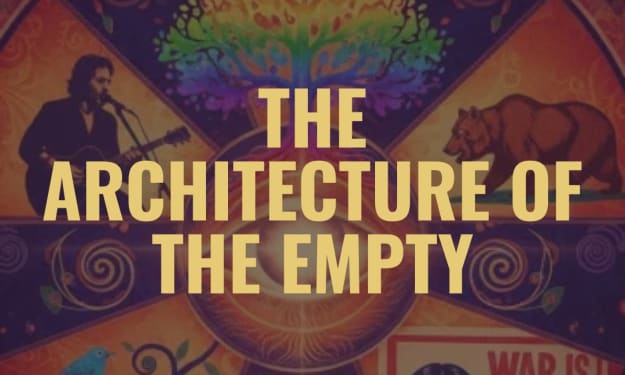
The Architecture of the Empty. Content Warning.
"In a world increasingly obsessed with 'hollow thinking' where people are reduced to units and human dignity is phased out of the budget the act of creation becomes a form of resistance. This piece was born from a week of rigid rules and 'authoritarian bull shit,' but it ends in the only place the parasites cannot reach: the sanctuary of the imagination.
By Vicki Lawana Trusselli 2 months ago in The Swamp
Trump’s Redistricting Clash Ignites GOP Tensions in Indiana. AI-Generated.
Donald Trump has never been known for quiet disagreements, and his latest clash within the Republican Party is no exception. This time, the former president has turned his attention to Indiana, where a redistricting dispute has sparked an unusually personal political feud. Trump has publicly vowed to “take out” a leading Indiana GOP figure, accusing the state party leadership of undermining conservative voters through the redrawing of congressional maps. The episode highlights not only Trump’s enduring influence over Republican politics but also the deep divisions within the party over power, loyalty, and representation. At the center of the controversy is Indiana’s redistricting process, a routine but highly consequential political exercise that occurs after census data reshapes population counts. In theory, redistricting is meant to ensure fair representation as communities grow or shrink. In practice, it often becomes a fierce partisan battle, with lawmakers drawing district lines that protect incumbents or favor one party over another. Indiana, a reliably Republican state, has long seen internal GOP negotiations play a decisive role in how maps are finalized. Trump’s anger appears rooted in his belief that the new district lines dilute the influence of his preferred candidates and grassroots supporters. According to his statements, the Indiana GOP leadership failed to prioritize what he sees as “America First” conservatives, instead crafting maps that safeguard establishment figures. For Trump, this is not merely a technical disagreement over boundaries; it is a perceived betrayal of the movement he helped build. The language Trump used to describe the situation quickly drew attention. When he said he would “take out” the Indiana GOP leader responsible, he was speaking politically, not physically, signaling his intention to back primary challengers and mobilize his base against party insiders. Still, the phrasing underscored how personal and confrontational Trump’s approach remains, even years after leaving the White House. Redistricting fights are rarely this public within a single party. More often, disagreements are resolved behind closed doors to present a united front against Democrats. Trump’s intervention disrupted that tradition. By calling out an Indiana Republican leader by name, he sent a clear message to other state officials across the country: crossing Trump’s political priorities could come at a cost. For Indiana Republicans, the situation presents a dilemma. On one hand, Trump remains immensely popular with GOP voters, particularly in Midwestern states. His endorsement can make or break a primary campaign, and few politicians are eager to find themselves on the wrong side of his base. On the other hand, state leaders argue that redistricting decisions require balancing multiple interests, including legal requirements, demographic realities, and long-term electoral stability. They insist that the maps were drawn to preserve Republican strength overall, not to target Trump-aligned candidates. This tension reflects a broader struggle within the Republican Party. Since 2016, Trump has reshaped the GOP into a more populist, personality-driven movement. Loyalty to Trump often carries as much weight as policy positions. Figures who were once considered reliable conservatives can suddenly find themselves labeled as “RINOs” or establishment obstacles if they diverge from Trump’s expectations. The Indiana redistricting fight fits squarely into this pattern. Political analysts note that Trump’s vow to unseat the Indiana GOP leader may have ripple effects beyond the state. Redistricting battles are unfolding nationwide, and many Republican officials are watching closely. If Trump successfully helps defeat a prominent state party leader over redistricting, it could embolden him to intervene in similar disputes elsewhere. Conversely, if his efforts fall short, it may signal limits to his influence at the state level. There is also the question of voter fatigue. While Trump’s base remains highly energized by his combative style, some Republicans worry that constant internal warfare distracts from broader goals, such as winning general elections or advancing conservative policy. Public feuds over redistricting risk reinforcing Democratic arguments that Republicans are more focused on power struggles than governance. From a democratic perspective, the episode raises important questions about how district lines should be drawn and who gets to decide. Critics of partisan redistricting argue that both parties manipulate maps to entrench themselves, often at the expense of competitive elections. Trump’s outrage highlights one version of this problem: even within a dominant party, mapmaking can be used to marginalize certain factions. Supporters of independent redistricting commissions point to cases like Indiana as evidence that removing politicians from the process could reduce conflict and restore trust. Still, Trump shows no interest in structural reform. His focus remains firmly on winning battles and asserting dominance within the party. By vowing to “take out” an Indiana GOP leader, he is reinforcing his role as a political kingmaker who demands loyalty and rewards defiance of the establishment. Whether Trump follows through on his promise will depend on upcoming election cycles and the availability of viable challengers. If he throws his support behind a primary opponent, the race will become a test of Trump’s continuing hold over Republican voters in Indiana. For now, the threat alone has already reshaped the conversation, turning a technical redistricting debate into a high-profile political showdown. In the end, the Indiana redistricting fight is about more than lines on a map. It is a window into the ongoing struggle for the soul of the Republican Party, where loyalty to Trump, control over institutions, and the future direction of conservatism remain fiercely contested. As long as Trump stays politically active, clashes like this are likely to continue, reminding Republicans and Democrats alike that the former president still knows how to command attention and ignite controversy.
By Saboor Brohi 2 months ago in The Swamp