
Advantages of Minimally Invasive Techniques for Thyroid Swelling Treatment
Minimally invasive relief for thyroid swelling
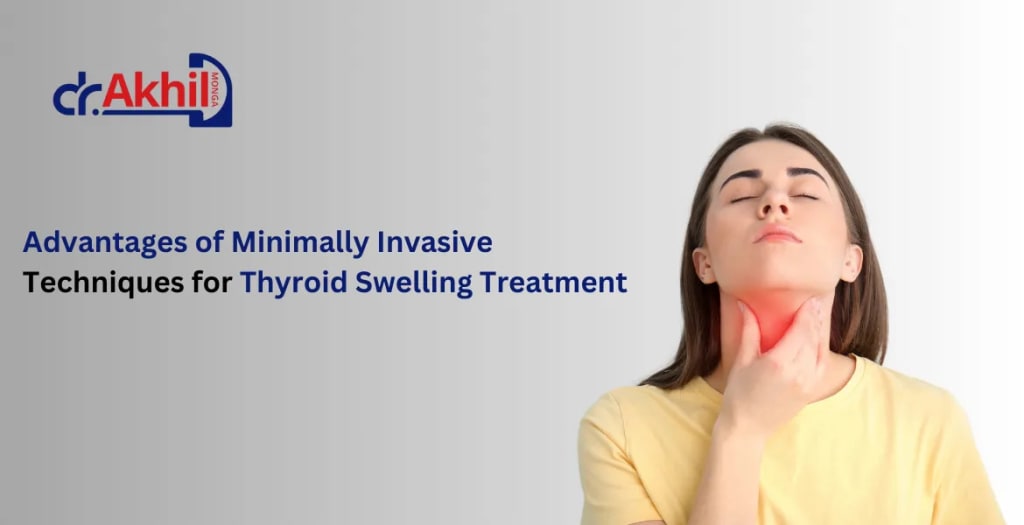
Did you know that thyroid swelling affects millions of people worldwide, with many turning to surgical treatments? But, minimally invasive techniques have emerged as a modern, effective solution to manage thyroid swelling without the need for traditional surgery. If you are dealing with thyroid swelling, read on to discover how these advanced techniques can offer relief with fewer risks and a quicker recovery.
What Is Thyroid Swelling, and What Are the Symptoms?
Thyroid swelling, also known as goitre, refers to the enlargement of the thyroid gland, which is located at the base of the neck. This condition can result in visible swelling and discomfort. This condition can result in visible swelling and discomfort. Common symptoms include:
- Pain or tenderness in the neck.
- Difficulty swallowing or breathing.
- A lump or bulge in the neck.
In some cases, symptoms of hyperthyroidism or hypothyroidism can accompany thyroid swelling, such as changes in weight, energy levels, and mood.
If left untreated, thyroid swelling can affect your quality of life, causing ongoing discomfort and, in some cases, hormonal imbalances. Non-surgical treatment options like Thyroid Nodule Ablation can provide significant relief without any invasive procedures.
What Are Minimally Invasive Techniques for Thyroid Swelling Treatment?
Minimally invasive techniques offer effective alternatives to traditional surgery for treating thyroid swelling. These procedures involve smaller incisions, real-time imaging, and targeted interventions to treat thyroid issues with less discomfort and faster recovery times.
Some common non-surgical options for thyroid swelling include:
- Microwave ablation (MWA): A procedure that uses heat to shrink the thyroid nodule and reduce swelling.
- Thyroid Artery Embolisation: Cuts off the blood supply to the thyroid nodule so that it shrinks, relieving the symptoms.
These techniques are increasingly gaining popularity due to their ability to treat benign thyroid nodules or mild thyroid swelling without the risks associated with traditional surgery.
Benefits of Minimally Invasive Techniques for Thyroid Swelling Treatment
Minimally invasive thyroid treatments offer numerous advantages over traditional surgical approaches:
- Reduced recovery time: Most patients experience quicker recovery compared to surgery, with many returning to their normal activities within days.
- Less scarring: Small incisions or needle-based interventions lead to minimal scarring, unlike the larger incisions required in surgery.
- Lower risk of complications: These techniques carry fewer risks, including a lower chance of infection or bleeding.
- Preservation of thyroid function: Minimally invasive treatments allow the thyroid to continue functioning, reducing the risk of long-term hormonal imbalances.
- Minimal hospital stay: These procedures are usually done on an outpatient basis, meaning you can return home the same day.
Overall, minimally invasive thyroid procedures provide a safer and more effective alternative for patients who want to avoid the risks and extended recovery time associated with traditional thyroid surgery.
When Should You Consider Minimally Invasive Thyroid Treatment?
Minimally invasive treatments are suitable for individuals with small to medium-sized thyroid nodules or benign thyroid swelling. If you are experiencing symptoms like discomfort or difficulty swallowing, but your condition does not require full surgery, these non-surgical treatments could be the best option for you.
It’s required to consult with a specialist who can assess your condition and suggest the most appropriate treatment. If you have persistent thyroid swelling or other symptoms such as unexplained weight changes or fatigue, minimally invasive techniques might help relieve your symptoms effectively without the need for more invasive procedures.
Recovery and Aftercare for Minimally Invasive Thyroid Treatments
After undergoing a minimally invasive thyroid procedure, patients typically experience quick recovery times with few restrictions:
- Post-treatment care: Most patients are advised to rest for the first few days but can usually resume light activities soon after.
- Medication: Your doctor may prescribe painkillers or anti-inflammatory drugs to manage any discomfort.
- Follow-up appointments: You will need to schedule follow-up appointments to monitor the progress of the treatment and ensure that your thyroid function is normal.
- Activity restrictions: After the procedure, you may be asked to avoid strenuous activities for a short period, depending on the type of treatment.
These treatments are designed to be minimally invasive with minimal downtime so you can quickly go back to your normal life.
Closing Remarks
Minimally invasive treatments for thyroid swelling are a game-changer for those who need effective relief without surgery. These procedures provide a quick recovery, minimal discomfort, and a low risk of complications, making them ideal for those with thyroid issues that don't require full surgical intervention. If you're suffering from thyroid swelling and are seeking a non-surgical treatment option, consulting with an expert is the first step toward relief.
About the Creator
Keep reading
More stories from Akhil Monga and writers in Writers and other communities.
Can Varicocele Embolization Improve Male Fertility Without Surgery?
Did you know that 15% of men suffer from varicocele, which can be a leading cause of male infertility? Fortunately, varicocele embolization offers a non-surgical, minimally invasive solution to treat this condition and improve fertility. This blog explores how varicocele embolization works, its benefits, and how it compares to traditional surgical methods. We’ll also discuss how this procedure can enhance male fertility without the need for open surgery.
By Akhil Monga11 months ago in Writers
Paul and John's 47-Words Short Story Unofficial Challenge
UPDATE - Republished to update the list of entries, with the 40 we've had so far. Completely smashed last unofficial challenge which recieved 31 entries. And there is still time. If you have yet to enter and fancy winning a bit of money or just challenging yourself or both or just making two old geezers job harder - please enter!
By Paul Stewart6 days ago in Writers
Financial Markets as Early Predictors of War
Whitman Drake Before wars are announced, before headlines are written, and often before governments publicly acknowledge rising tensions, financial markets have already begun to move. Prices shift, capital reallocates, volatility increases, and certain assets begin behaving in ways that suggest something deeper is unfolding beneath the surface. While mainstream media tends to document events as they happen, financial markets often respond earlier, sometimes because they are acting on signals that are not yet visible to the public, and sometimes because large participants are interpreting risk in ways that have not yet entered the broader conversation.
By Whitman Drake7 days ago in Writers



Comments
There are no comments for this story
Be the first to respond and start the conversation.