Takashi Nagaya
Bio
I want everyone to know about Japanese culture, history, food, anime, manga, etc.
Stories (86)
Filter by community
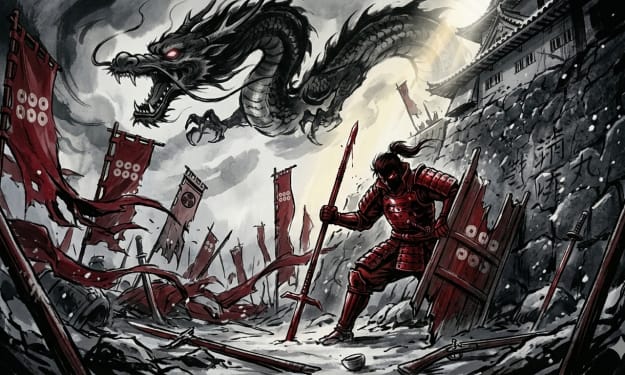
The Last Crimson Blaze: Sanada Yukimura and the Beauty of a Lost Cause
1. The Undisputed Underdog In the pantheon of Japanese history, success often equates to power, like Oda Nobunaga’s brutal unification (image_20.png) or Miyamoto Musashi’s sixty-one undefeated duels (image_18.png). But the most beloved hero in Japan is a man who technically lost. His name was Sanada Yukimura, and his legend is built on the profound, heartbreaking beauty of a doomed cause.
By Takashi Nagayaa day ago in History
The Demon King Who Saw the Future: Oda Nobunaga’s War Against Tradition
1. The Fool of Owari and the Birth of a Disruptor In the mid-16th century, Japan was a fractured mosaic of bleeding borders. Into this chaos stepped a man the world initially dismissed as the "Fool of Owari." Oda Nobunaga was loud, eccentric, and showed a blatant disregard for the rigid etiquette of the Samurai class.
By Takashi Nagaya4 days ago in History
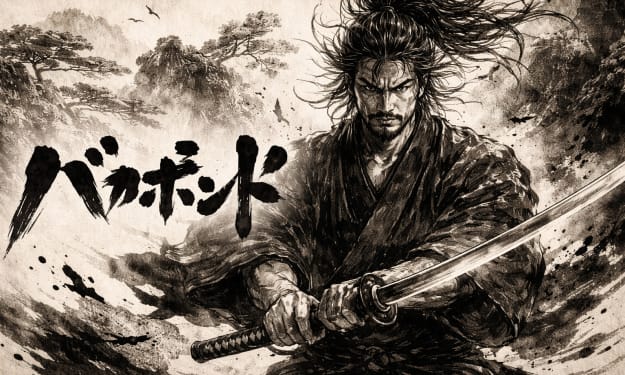
Musashi Miyamoto: The Samurai Who Fought His Last Duel in His Mind
1. The Undefeated Monster and the Zero Point Ask anyone around the world to name a famous Japanese samurai, and the first name to surface will almost certainly be Miyamoto Musashi. We know the core myth: the undefeated duelist who won sixty-one life-and-death encounters, the eccentric giant who carved his own wooden sword to defeat his greatest rival, Sasaki Kojiro.
By Takashi Nagaya7 days ago in History
The Man Who Lost 300 Years in a Single Night: The Tale of Urashima Taro
1. The Paradox of the Perfect Ending Every culture has its stories of forbidden kingdoms and magic. In the West, we have Rip Van Winkle and Pandora’s Box. But in Japan, there is a folktale that masterfully combines these elements into a single, haunting narrative: The Tale of Urashima Taro.
By Takashi Nagaya17 days ago in Horror
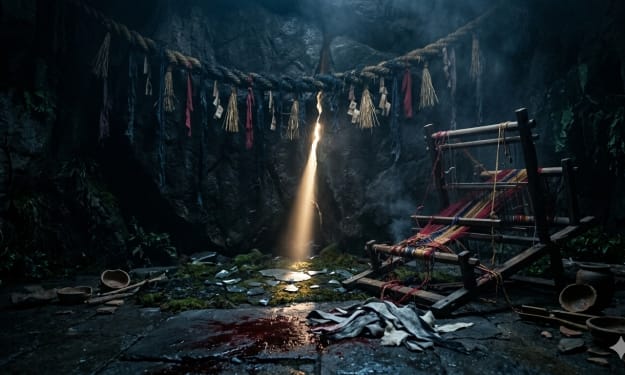
The Cracks in the Stone: What the Myth Refused to Record
The myth-makers like to say that when Amaterasu Omikami entered the cave, the world simply went dark. They use the word "dark" as if it were a clean, binary switch—the absence of a lamp, a blanket thrown over a birdcage. They tell you that the gods gathered by the river to laugh her back out, as if a divine party could cure a cosmic trauma.
By Takashi Nagaya21 days ago in Fiction
Eight Feet Tall: The Shadow in the White Dress
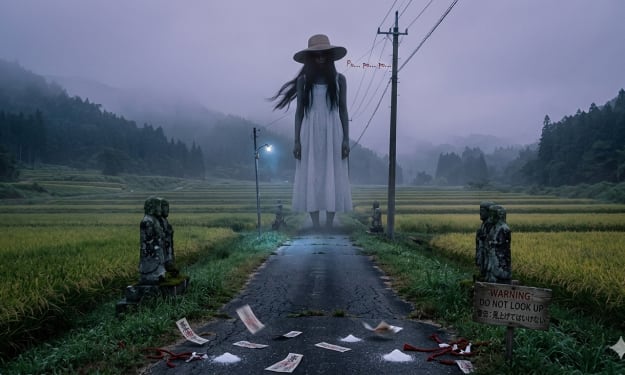
1. The Intruder in the Twilight Imagine the scene: you are in a quiet, rural Japanese countryside. The sun is dipping below the horizon, and the sky is turning a bruised, deep purple. Everything is peaceful. Then, you see her. Standing over the rice fields, taller than the power lines, stands a woman in a white sundress and a wide-brimmed straw hat. You think it’s a trick of the light. But then, you hear it. A guttural, rhythmic sound echoing across the valley: "Po... po... po... po..." This is Hachishakusama—or "Eight Feet Tall." In the digital age of urban legends, few entities command as much primal, visceral fear as this towering specter. She is not a jump-scare ghost; she is a slow, methodical predator who marks her prey long before she strikes.
By Takashi Nagaya25 days ago in Horror
Teke Teke: The Sound of Your Final Seconds
1. The Sound That Paralyses Imagine walking home alone at twilight. The streets of suburban Japan are quiet, save for the distant hum of a vending machine. Suddenly, you hear a strange, rhythmic scratching behind you.
By Takashi Nagayaabout a month ago in Horror
The Game You Play Alone: A Terrifying Guide to "One-Man Hide and Seek"
Introduction: The Solitary Invitation In the eerie corners of the internet, where shadows linger and curiosity often leads to peril, a terrifying ritual emerged: "Hitori Kakurenbo," or "One-Man Hide and Seek." It's a game played alone, in the dead of night, designed not for entertainment, but to invite a malevolent spirit into your home for a deadly game.
By Takashi Nagayaabout a month ago in Horror
The Alchemy of Umami: Why Japanese Cuisine is a Living Heritage
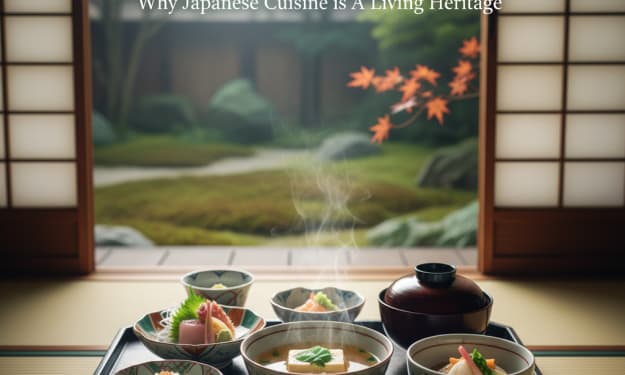
1. The Great Prohibition: 1,200 Years Without Meat Most people looking at a modern bowl of Tonkotsu ramen or a plate of Wagyu steak would find it hard to believe that for over a millennium, Japan was essentially a vegetarian nation. In 675 AD, Emperor Tenmu, influenced by the Buddhist teachings of compassion and the Shinto ideals of purity, issued a decree that prohibited the consumption of beef, horse, dog, monkey, and chicken.
By Takashi Nagayaabout a month ago in Feast
The Shadow That Binds: Uncovering the Dark Folk Customs of Hidden Japan
1. The Concept of "Kegare": The Root of Japanese Fear To understand the strange customs of rural Japan, one must first understand "Kegare" (穢れ)—a term often translated as "pollution" or "defilement." In ancient Shinto belief, kegare is not just dirt; it is a stagnation of the life force. It clings to death, childbirth, and illness.
By Takashi Nagaya2 months ago in Horror