
Experiencing a Thai Massage
A Journey of Healing, Culture, and Balance

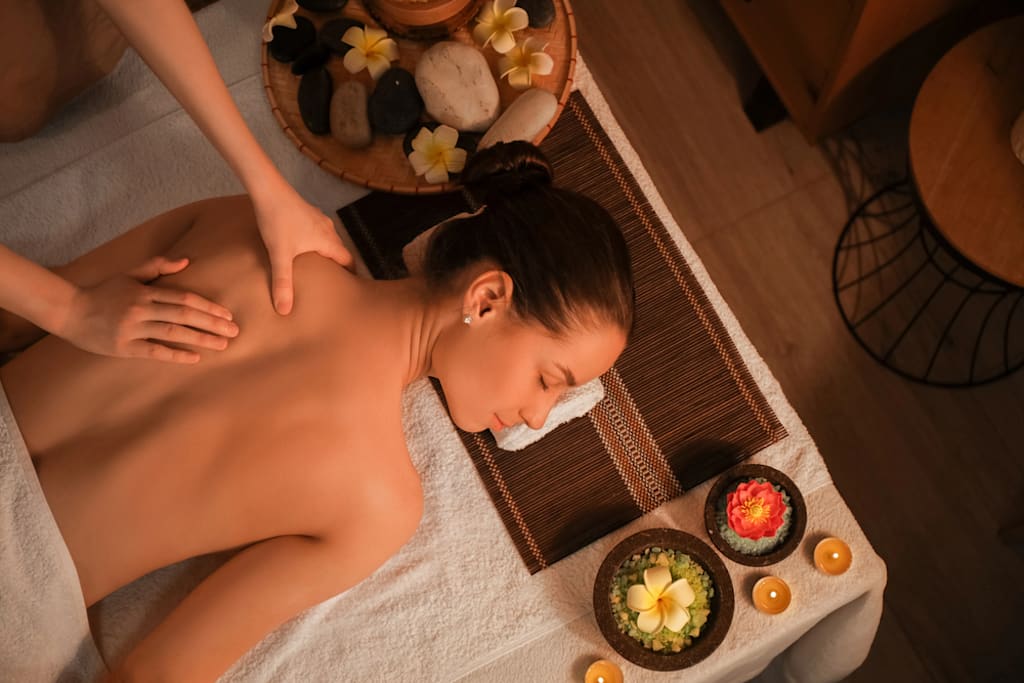
For centuries, Thailand has been known not only for its breathtaking landscapes and vibrant culture but also for its deeply rooted traditions of wellness and healing. Among these, Thai massage stands out as one of the most unique and transformative therapeutic experiences in the world. Unlike conventional Western massage techniques, Thai massage is an ancient practice that combines acupressure, assisted yoga stretches, and energy line work to restore balance in both body and mind.
The Origins and Philosophy
Thai massage, also known as Nuad Thai, dates back over 2,500 years and is believed to have been influenced by Indian, Chinese, and Southeast Asian healing traditions. It is often associated with Jivaka Kumar Bhaccha, a physician said to have treated the Buddha. The practice is deeply spiritual, rooted in the concept of energy lines, or “Sen,” which run throughout the body. According to this philosophy, blockages in these energy pathways can lead to discomfort, illness, and emotional imbalance.
The goal of Thai massage is not merely relaxation but the harmonization of energy flow, promoting overall well-being.
What to Expect During a Session
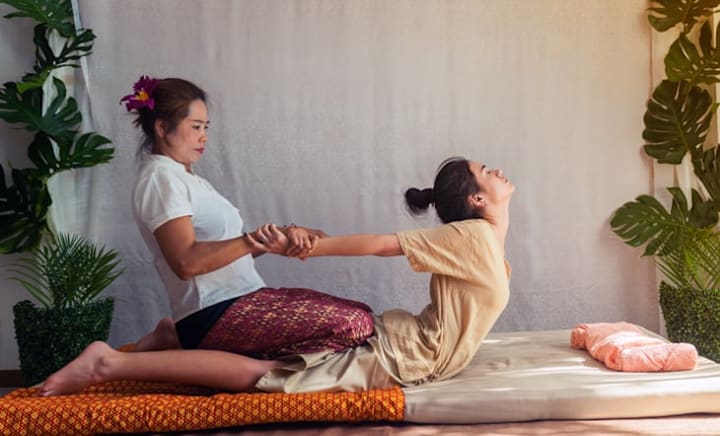
Unlike typical oil-based massages, Thai massage is usually performed on a floor mat, and the recipient remains fully clothed in loose, comfortable attire. There are no oils involved, and instead of simply kneading muscles, the therapist uses their hands, elbows, knees, and even feet to apply pressure and guide the body through a series of stretches.
The session often begins with gentle pressure on key points, gradually progressing into deeper techniques. The therapist may stretch your limbs, twist your torso, and guide you into positions resembling yoga poses. This is why Thai massage is sometimes referred to as “lazy yoga,” as it provides the benefits of stretching without requiring active effort from the recipient.
Physical Benefits
One of the most immediate benefits of Thai massage is improved flexibility. The assisted stretching helps to lengthen muscles, increase joint mobility, and reduce stiffness. It is particularly beneficial for individuals who spend long hours sitting or leading sedentary lifestyles.
Additionally, Thai massage enhances blood circulation, which helps deliver oxygen and nutrients more efficiently throughout the body. This can lead to reduced muscle tension, faster recovery from physical exertion, and an overall sense of vitality.
Another key advantage is pain relief. By targeting pressure points and releasing tension along energy lines, Thai massage can alleviate chronic pain conditions such as back pain, headaches, and muscle soreness.
Mental and Emotional Well-being
Beyond its physical benefits, Thai massage is also a powerful tool for mental relaxation. The rhythmic movements and mindful touch create a meditative experience, helping to reduce stress and anxiety. Many people report feeling deeply calm and centered after a session.
The practice encourages mindfulness, as both the therapist and recipient engage in a synchronized flow of movement and breath. This connection fosters a sense of inner peace and emotional balance, making Thai massage not just a physical treatment but a holistic healing experience.
Cultural Significance
In Thailand, massage is more than just a luxury—it is a respected part of everyday life and healthcare. Traditional massage schools, such as those found in temples like Wat Pho, continue to preserve and teach these ancient techniques.
Thai massage is also recognized globally for its cultural importance. In 2019, it was added to UNESCO’s list of Intangible Cultural Heritage, highlighting its value as a living tradition that connects generations.
Tips for First-Time Experiences
If you are new to Thai massage, there are a few things to keep in mind to fully enjoy the experience:
• Stay relaxed: The more you allow your body to remain loose, the more effective the stretches will be.
• Communicate openly: If any movement feels uncomfortable, inform your therapist so adjustments can be made.
• Hydrate afterward: Drinking water helps flush out toxins released during the session.
• Keep an open mind: The experience may feel unusual at first, but it often becomes deeply rewarding as the session progresses.
A Unique Path to Wellness
Experiencing a Thai massage is unlike any other form of bodywork. It is not just about relieving physical tension but about reconnecting with your body’s natural rhythm and energy. The blend of movement, pressure, and mindfulness creates a holistic journey that nurtures both the body and the spirit.
In a fast-paced modern world, where stress and physical strain are common, Thai massage offers a timeless solution rooted in tradition and balance. Whether you seek relaxation, healing, or simply a new cultural experience, Thai massage provides a profound and lasting sense of well-being.
Ultimately, it is more than just a massage—it is an art, a science, and a deeply enriching experience that reflects the heart of Thailand’s healing heritage.
About the Creator
Sk
"I am a passionate writer, crafting books and articles on Vocal Media, exploring human experiences, stories, and creative reflections."
Simpsons Review: "So It's Come to This: A Simpsons Clip Show"
Happy April Fools' Day, all! It's been a while since I've written a review of a Simpsons episode, and with today being the aforementioned holiday, I just have to talk about this episode. It's a landmark episode, in more ways than one, so let's get to it.
By Clyde E. Dawkins7 days ago in Geeks
Book Review: "Henry VIII: King and Court" by Alison Weir (Pt. 3)
There were so many rules for manners, especially in the presence of the king. Public processions, routines and ceremonies for waking and sleeping, trumpets blaring for eating and feasting. I don't know how people kept up. Alison Weir states that practically everything was a ceremony, everything had a set of rules and regulations of what was to be done. The rigid routine was so careful that every single person in the room had a job to do and there were a lot of people there.
By Annie Kapur3 days ago in Geeks



Comments
There are no comments for this story
Be the first to respond and start the conversation.