Biographies
“Alone in the Death Zone”
The silent tragedy of David Sharp on the slopes of Mount Everest High above the world, where the air becomes too thin to breathe and the sky turns a darker shade of silence, lies a place climbers fear most—the Death Zone. It begins above 8,000 meters on Mount Everest, where even the strongest bodies start to shut down, and every step feels like a negotiation with fate.
By imtiazalamabout 4 hours ago in History
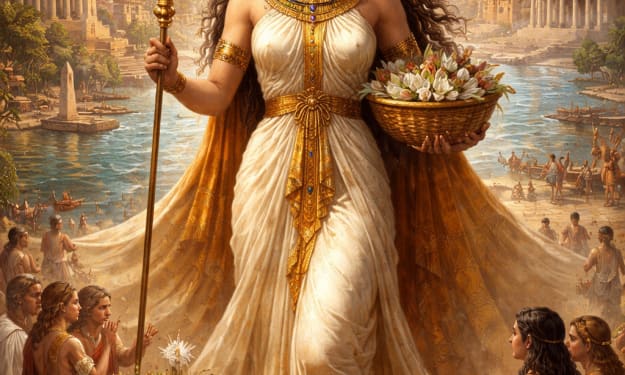
How Isis Conquered the Ancient World
In the ancient world, few deities achieved the level of devotion and international influence as Isis, the great goddess of ancient Egypt. Originally worshipped along the fertile banks of the Nile, Isis evolved from a local deity into a global spiritual figure whose influence stretched across continents—from Egypt to Greece, Rome, and even as far as Roman Britain.
By Irshad Abbasi about 11 hours ago in History
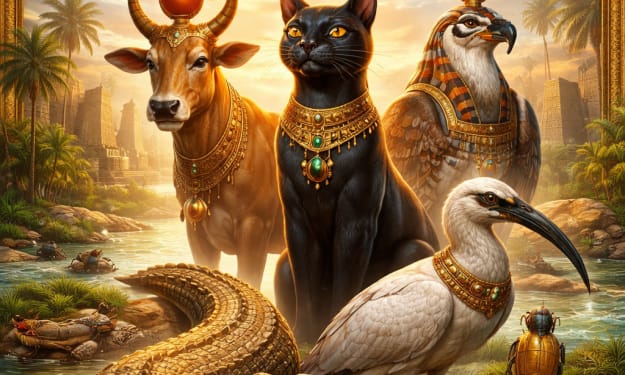
Animal Worship in Ancient Egypt
Ancient Egyptian civilization is often remembered for its monumental pyramids, intricate hieroglyphs, and powerful pharaohs. Yet one of its most fascinating aspects lies in its deep reverence for animals. From cats and cows to crocodiles and ibises, animals were not merely part of daily life—they were seen as living manifestations of divine forces. This unique blend of religion and nature shaped Egyptian culture for thousands of years.
By Irshad Abbasi about 11 hours ago in History
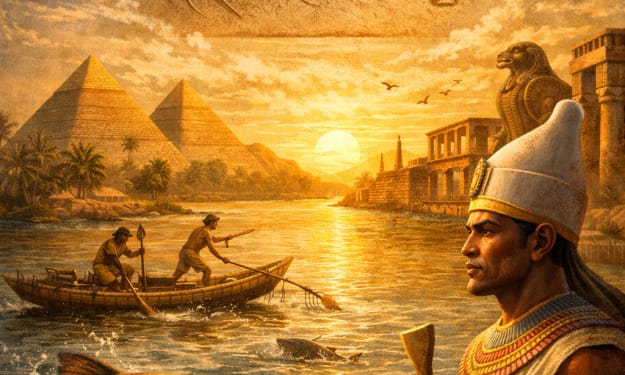
Why Egypt’s First Pharaohs Revered the Humble Catfish
Long before pyramids pierced the desert skyline and monumental temples defined the banks of the Nile, ancient Egypt’s earliest rulers were forming a culture deeply rooted in nature. Among the many creatures that thrived in the life-giving waters of the Nile River, one stood out in both practical and spiritual life: the catfish. To modern readers, the idea of powerful pharaohs revering such a modest creature might seem unusual. Yet for Egypt’s first rulers, the catfish was far more than a source of food—it was a symbol of power, survival, and divine connection.
By Irshad Abbasi about 11 hours ago in History
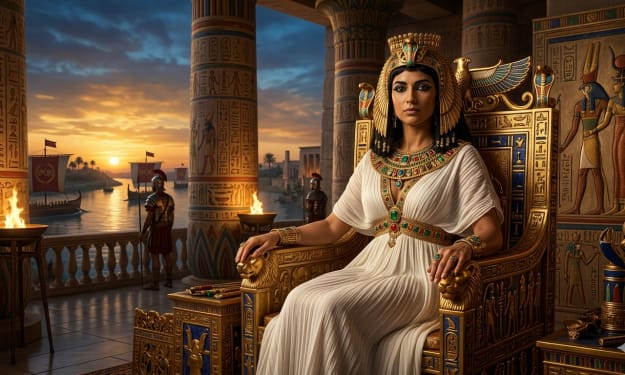
Power, Politics, and the Last Queen of Egypt
Cleopatra VII Philopator, often simply known as Cleopatra, is one of the most famous women in history. Yet, much of what people think they know about her comes from myths, legends, and dramatic portrayals in films and literature. The real Cleopatra was far more complex than the seductive queen often depicted in popular culture. She was a highly educated, politically astute ruler who fought to preserve the independence of her kingdom at a time when Egypt stood on the brink of becoming a Roman province.
By Irshad Abbasi about 11 hours ago in History
Ramesses II
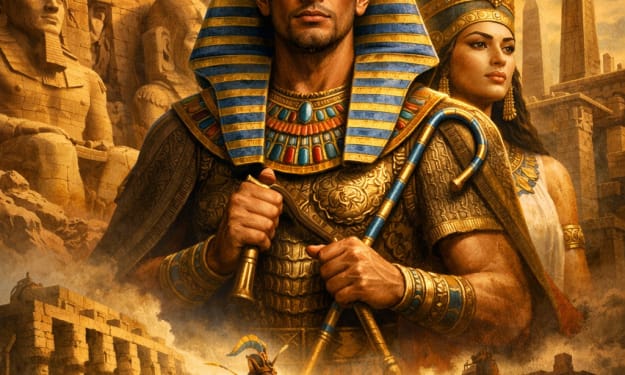
Ramesses II, often known as Ramesses the Great, was one of the most powerful and celebrated rulers of ancient Egypt. He reigned for an extraordinary 66 years, from 1279 to 1213 BCE, during the height of the New Kingdom. His long reign, military achievements, and monumental building projects earned him a place among the most iconic figures in human history.
By Irshad Abbasi about 12 hours ago in History
The Emperor Who Transformed Rome
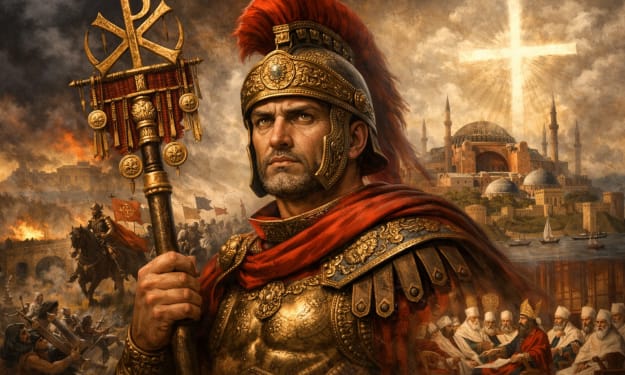
Constantine the Great, also known as Flavius Valerius Constantinus, stands as one of the most influential figures in world history. Born around 272 CE in the Roman province of Moesia (modern-day Serbia), Constantine rose from a turbulent political landscape to become the first Roman emperor to embrace Christianity. His reign marked a turning point not only for the Roman Empire but also for the future of European civilization.
By Irshad Abbasi about 12 hours ago in History
Corinne Griffith (1894-1979)
By Brian D’Ambrosio Corinne Griffith, born November 21, 1894, in Waco, Texas, became one of the most admired figures of the silent film era, celebrated for her elegance, poise, and expressive subtlety on screen. Known as “The Orchid Lady of the Screen,” Griffith cultivated an image of refinement and emotional restraint that set her apart from her contemporaries. Beneath the Hollywood persona lay a Texas childhood shaped by her Italian ancestry and the civic prominence of her maternal family, whose accomplishments left a lasting impression on her sense of artistry, ambition, and cultural awareness.
By Brian D'Ambrosio about 19 hours ago in History
The Demon King Who Saw the Future: Oda Nobunaga’s War Against Tradition
1. The Fool of Owari and the Birth of a Disruptor In the mid-16th century, Japan was a fractured mosaic of bleeding borders. Into this chaos stepped a man the world initially dismissed as the "Fool of Owari." Oda Nobunaga was loud, eccentric, and showed a blatant disregard for the rigid etiquette of the Samurai class.
By Takashi Nagayaa day ago in History
5 Battles in History Where Divine Intervention Changed Everything
War has been a part of human history for as long as we can remember. From defending territories to protecting loved ones, humans have always found a reason to fight. While strategy, planning, and leadership often decide the outcome of battles, there are moments when fate or perhaps something greater intervenes to tip the scales. Here are five of history’s most decisive battles that were allegedly won thanks to divine intervention.
By Areeba Umair2 days ago in History
Warrior Women Unearthed
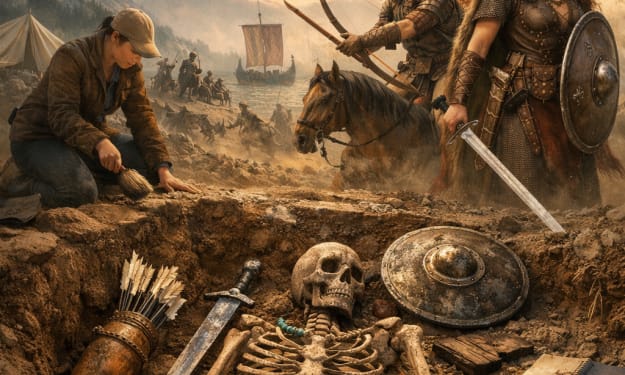
Across windswept степes, frozen northern landscapes, and long-forgotten burial grounds, archaeologists are uncovering a powerful truth: the ancient world may not have been as male-dominated as we once believed. Graves long assumed to belong to male warriors are now revealing something surprising—many of them contain women. These discoveries are reshaping our understanding of gender roles in ancient societies and challenging deeply rooted assumptions about the past.
By Irshad Abbasi 3 days ago in History
The New Face of Viking Heroism
For centuries, the Viking Age has been dominated by images of bearded warriors, longships cutting through icy seas, and brutal raids across Europe. Popular culture—from films to textbooks—has long framed this era as a world built by men. Yet a growing body of archaeological discoveries and historical reinterpretations is challenging that narrative. Today, a new kind of Viking hero is emerging: women.
By Irshad Abbasi 3 days ago in History